Home Blog Page 2

What Is the Difference Between a HUD Home and a Modular Home?

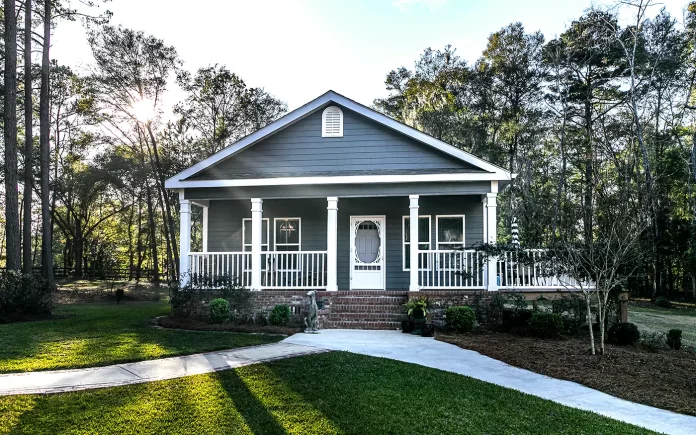
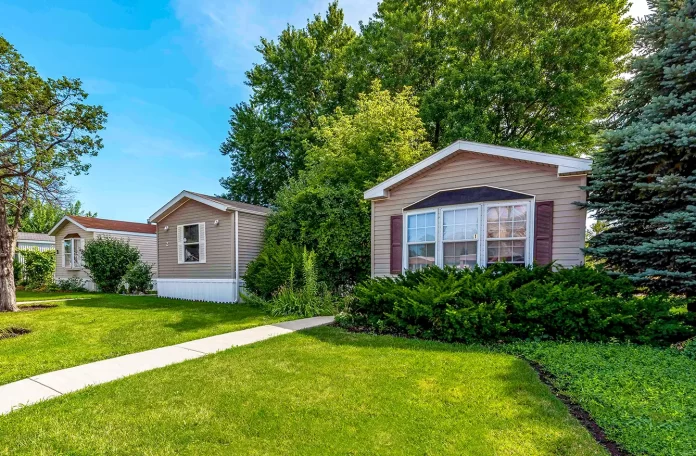
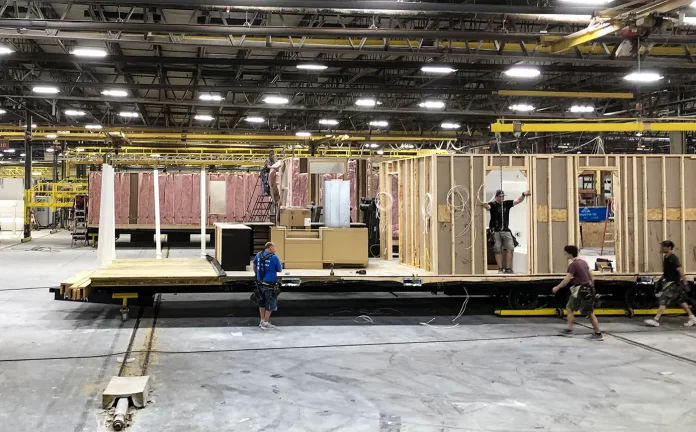
Photo of a modular home

When exploring mobile homes and modular homes, understanding the differences can be crucial in making the right decision. Terms like mobile home vs manufactured home HUD can sometimes add confusion. In this blog, we’ll break down the key differences between HUD homes and modular homes to help you understand which option might be the best fit for your needs.

What Distinguishes a Modular Home from a Manufactured Home?

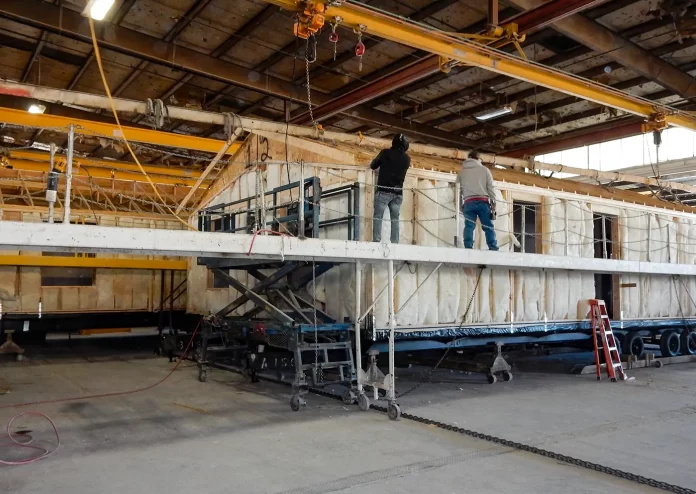
While modular homes and manufactured homes are both factory-built, the main distinction lies in the construction standards and installation process. Modular homes are built in sections in a factory and assembled on a foundation at the home site. They must meet local or state building codes, just like traditional site-built homes, making them highly customizable and often indistinguishable from site-built homes. On the other hand, manufactured homes are built entirely in a factory and follow federal HUD Code standards. Manufactured homes are built on a steel chassis, allowing them to be moved to the home site in less sections than modular homes.

What’s the Difference Between a HUD Home and a Modular Home?

The primary difference between a HUD home (manufactured home) and a modular home is in the building codes they adhere to. A HUD home must comply with federal HUD Code standards for construction and safety, while modular homes are built to meet local or state building codes.

What Are the Benefits of a Modular Home?

Modular homes offer several advantages for homebuyers.

  • Customization: Modular homes are highly customizable, with options to choose from a variety of architectural styles, floor plan layouts, materials, and finishes. You can tailor the home to fit your specific needs and style.
  • Speed of Construction: Since modular homes are built in a climate-controlled factory environment, the construction process is faster and less affected by weather delays, leading to quicker delivery and installation.
  • High-Quality Construction: Modular homes meet local and state building codes, meaning that they’re constructed to the same standards as local site-built homes.
  • Cost Efficiency: While they offer the same (or better) quality as site-built homes, modular homes are often more affordable due to the streamlined building process and bulk purchasing of materials.
  • Energy Efficiency: Many modular homes are built with energy-efficient features, helping reduce long-term utility costs.

What Are the Benefits of a Manufactured Home?

Manufactured homes come with their own set of advantages that make them an attractive option for many buyers.

  • Affordability: One of the biggest benefits of manufactured homes is their cost. They are generally more affordable than modular or site-built homes, making them a great option for first-time buyers or those looking for budget-friendly housing.
  • Fast Move-In: Manufactured homes are fully constructed in a factory, allowing for quick transportation and installation. This makes move-in times much faster than site-built homes.
  • Flexibility: Manufactured homes can be placed on leased lots in mobile home communities or on privately owned land, giving buyers more flexibility in where they live.
  • HUD Code Standards: Manufactured homes built after 1976 adhere to HUD code standards, which means they meet federal guidelines for construction, energy efficiency, and safety.
  • Low Maintenance: Modern manufactured homes come with durable materials and finishes, reducing long-term maintenance costs.

Which Is Better, a Modular or Manufactured Home?

When comparing modular and manufactured homes, the right choice depends on your needs, budget, and lifestyle. Both types of homes offer unique advantages, making each a great option depending on what you’re looking for.

Pros and Cons of Manufactured vs Modular Homes

  • Manufactured Homes: These are often more affordable and can be placed on private land or in mobile home communities, making them ideal for buyers seeking flexibility and cost savings. Manufactured homes are built to HUD’s federal construction and safety standards and offer quick installation, but they may have fewer customization options compared to modular homes.
  • Modular Homes: Modular homes provide more customization and are built to local or state building codes. While they tend to be more expensive than manufactured homes, modular homes offer a long-term investment with more design flexibility.

Ultimately, both modular and manufactured homes have their strengths, and the best choice depends on your specific priorities, whether it’s affordability, flexibility, or customization.

What’s the Best Place to Find Manufactured and Modular Homes for Sale?

Looking for the perfect manufactured or modular home? MHVillage is the place to start! With the largest selection of factory-built homes across the country, MHVillage offers a variety of options to fit your budget, style, and location preferences. Whether you’re after a modern modular home or a budget-friendly manufactured one, MHVillage has the tools to help you find exactly what you need.

The platform makes it easy to compare homes, explore detailed listings, and even connect with sellers or communities to tour a home you are interested in. You can search based on your specific requirements like price, size, or features, ensuring you find the home that’s right for you.

Explore your options and find your next home today by visiting MHVillage, where finding the perfect manufactured or modular home is just a click away!

What Is the Difference Between a Mobile and Manufactured Home?

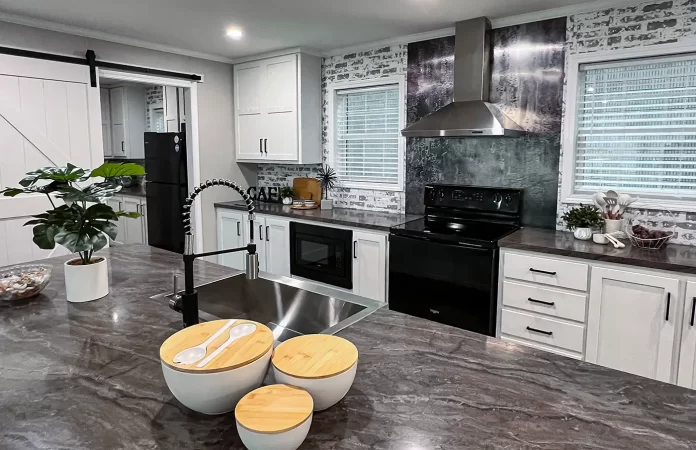
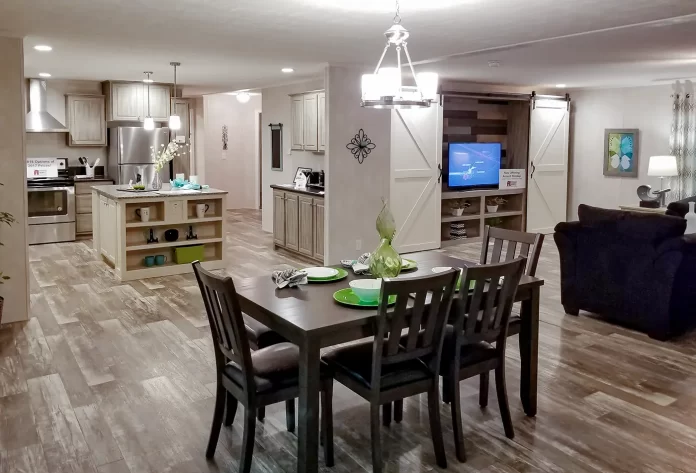
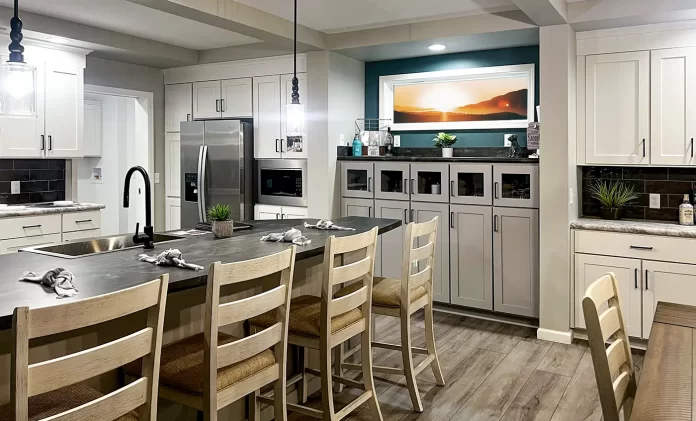
Photo of the interior of a manufactured home.

If you’re shopping for mobile homes, you’ve probably heard the terms “mobile home” and “manufactured home” used interchangeably. But did you know there’s a key difference? It all comes down to when the home was built and the standards it follows. The distinction between mobile home vs manufactured home HUD regulations has a significant impact on quality, safety, and even the buying process. In this blog, we’ll break down the differences and what they mean for you as a buyer or homeowner.

What Is the Difference Between a Mobile and Manufactured Home?

The key difference between mobile homes and manufactured homes lies in when they were built and the standards they meet. A mobile home refers to factory-built homes constructed before June 15, 1976. After this date, the U.S. Department of Housing and Urban Development (HUD) implemented building standards for factory-built homes that were significantly updated in September of 2024. Homes built after June 15, 1976, under these standards, are officially known as manufactured homes, meaning they meet federal guidelines for safety, durability, and energy efficiency.

When Did They Start Calling Mobile Homes Manufactured Homes?

The shift from “mobile home” to “manufactured home” occurred after June 15, 1976, when HUD introduced national safety and construction standards for factory-built homes. Homes built after this date are referred to as manufactured homes to distinguish them from pre-1976 mobile homes, which were not held to the same regulations.

What Is the Difference Between a Modular and a Manufactured Home?

The difference between modular and manufactured homes comes down to how and where they are built, as well as the building codes they follow.

  • Manufactured Homes: These are built entirely in a factory and must adhere to federal HUD standards. Manufactured homes are built on a steel chassis and are typically transported to the site in one or more sections.
  • Modular Homes: While also built in a factory, modular homes are constructed in sections (or modules) and are transported to the site for final assembly. They follow local and state building codes, and often offer more customization and flexibility in design.

What Is the Correct Term for a Mobile Home?

While the terms “mobile home” and “manufactured home” are often used interchangeably, the correct term for a mobile home depends on when it was built. For homes constructed before June 15, 1976, the term mobile home is accurate. However, homes built after this date are officially referred to as manufactured homes. This change in terminology was implemented when the U.S. Department of Housing and Urban Development (HUD) introduced federal construction and safety standards, known as the HUD Code. Today, manufactured homes are the preferred term for any factory-built home that adheres to these HUD Code federal regulations.

What Are the Pros and Cons of a Manufactured Home?

Manufactured homes come with several benefits but also have a few potential drawbacks. Here’s a quick look at the pros and cons:

Pros:

  • Affordability: Manufactured homes are generally more affordable than traditional site-built homes, offering a cost-effective housing option.
  • Quick Installation: Since these homes are built in a factory, they can be quickly transported and installed on your land or in a community.
  • Customizable: Many manufacturers offer customization options, allowing buyers to choose floor plans, finishes, and features.
  • Energy Efficiency: Modern manufactured homes are built to meet HUD standards, which include energy-efficient materials and appliances, helping homeowners save on utility costs.

Cons:

  • Limited Mobility: Despite their name, “mobile” homes aren’t particularly mobile—in fact, most modern manufactured homes are never moved once they are transported from the factory that built the home and placed on private land or in a community. This is typically due to the fact that moving a mobile home is very expensive and often requires permits and a special moving company.
  • Zoning Restrictions: Some areas have strict zoning laws that limit where manufactured homes can be placed.

Overall, manufactured homes offer affordability and flexibility, but it’s important to consider all the factors when making a decision.

What’s the Best Place to Find Manufactured Homes for Sale?

If you’re searching for high-quality manufactured homes, MHVillage is the best platform to begin your journey. With the largest selection of listings across the country, MHVillage allows you to filter by location, price, size, and features, making it easier than ever to find the perfect home for your needs. Whether you’re looking for a budget-friendly option or something more luxurious, MHVillage connects you with trusted sellers and communities.

Ready to find your next home? Visit MHVillage today and start browsing the best selection of manufactured homes for sale, all in one convenient place!

What is the Blue Book on a Mobile Home?

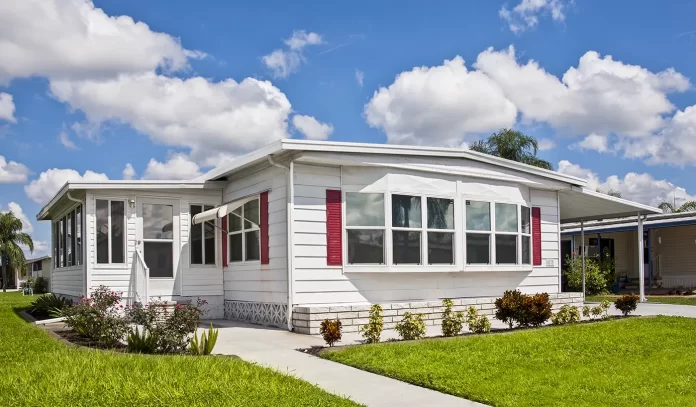
Photo of a pre-owned mobile home.

When it comes to mobile homes, determining their value is crucial, whether you’re buying, selling, or refinancing. You may have heard of the “Blue Book” as a reference for pricing vehicles, but how does it apply to mobile homes? In this blog, we’ll break down what the Blue Book is, how it works for mobile homes, and why understanding your home’s value is key to making informed decisions.

Does Kelley Blue Book Do Mobile Homes?

No, Kelley Blue Book doesn’t provide values for mobile homes. While they’re well-known for pricing cars, RVs, and other vehicles, mobile homes don’t fall under their coverage. But don’t worry—there are other ways to determine the value of a mobile home.

For mobile homes, you’ll want to look at specialized resources like Datacomp Appraisal Systems or consult with mobile home retailers. These experts use factors like the age, condition, and location of the home to give you a more accurate estimate.

If you’re trying to sell or buy a mobile home, MHVillage is also a great place to start. With thousands of listings and pricing information for homes nationwide, you can get a good idea of what similar homes are selling for in your area. Plus, MHVillage also offers a manufactured and mobile home price guide that is free when you list your home with MHVillage, or can be purchased separately. While Kelley Blue Book won’t have what you need, the right tools are out there to help you find or assess the perfect mobile home.

What Is the NADA Manufactured Home Blue Book?

The NADA Blue Book for mobile homes is a widely recognized resource for determining the value of manufactured and mobile homes. However, these guides are no longer part of NADA. They were acquired by JD Power, although many people still refer to them as the NADA guide.

Unlike Kelley Blue Book, which focuses on vehicles, the NADA (National Automobile Dealers Association) guide, now called JD Power Values, provides detailed pricing information specifically for mobile and manufactured homes. The NADA mobile home value guide takes into account various factors such as the home’s age, size, condition, and location to give a more accurate estimate of its market value. This tool is often used by lenders, sellers, and buyers to assess fair pricing for mobile homes, whether they’re being bought, sold, or financed.

If you’re looking to sell, buy, or refinance a mobile home, the NADA guide can be a helpful place to start. However, it’s important to note that the NADA guide is not not a free resource, which can limit your ability to access it. Plus, unlike Datacomp, NADA uses the depreciation model of valuation instead of comparable sales of mobile homes nearby in establishing value.

How Do I Calculate the Value of My Mobile Home?

Calculating the value of your mobile home involves several key factors, such as the home’s age, condition, size, and location. If you want to determine its worth, there are a few methods to consider.

  • Age of the Home: One factor is the age of your mobile home. For example, a 30-year-old mobile home may have a lower value than one that is a few years old. Homes built before 1976 can be more difficult to sell, while newer homes built to HUD Code standards may hold their value better.
  • Condition: The overall condition of your home plays a major role in determining its value. Has the home been updated with modern amenities? Are there any major repairs needed? Homes that have been well-maintained or renovated tend to have a higher market value.
  • Location: The location of your mobile home—whether it’s on private land or in a community—is one of the biggest factors that can impact its value. Homes in desirable areas or well-maintained communities with desirable amenities like pools, playgrounds, or clubhouses often have a higher resale value.
  • Size and Features: Larger homes with more bedrooms and bathrooms tend to be worth more. Additional features like a deck, upgraded kitchen, or energy-efficient windows can also increase the value.
  • Comparable Sales Nearby: Look at recent sales of similar mobile homes in the area. Homes in the same region with similar features and conditions can help gauge your home’s value.

To get an accurate estimate, you can use a used mobile home value calculator. These calculators allow you to input details like the home’s age, size, and condition to give you a rough estimate of what it might be worth.

For a more detailed valuation, resources like comparing listings on MHVillage, using the MHVillage price guide or hiring a professional mobile home appraiser like Datacomp can help you determine the precise value of your home. Whether you’re selling, refinancing, or just curious, knowing your home’s value can give you a clearer picture of its worth in today’s market.

What Adds the Most Value to a Mobile Home?

Whether you’re planning to sell or simply want to increase its overall worth, here are some of the top ways to add value to a mobile home:

  • Upgrades and Renovations: Modernizing your mobile home with high-quality finishes can significantly increase its value. Installing new flooring, updating the kitchen with modern appliances and countertops, and upgrading bathrooms can transform the look and feel of your home. These updates give potential buyers a better first impression and can make your home stand out in the market.
  • Energy Efficiency Improvements: Installing energy-efficient appliances, windows, doors, and insulation not only makes your home more comfortable but also boosts its appeal to buyers. Homes that help reduce energy bills are more attractive, and energy-saving upgrades often come with incentives or rebates, making them a win-win investment.
  • Adding Outdoor Living Space: A deck, porch, or patio can add both functional space and curb appeal to your mobile home. Buyers appreciate additional outdoor living areas for relaxing or entertaining, and these additions can significantly increase the perceived value of the property.
  • Curb Appeal: The exterior appearance of your mobile home is the first thing potential buyers see. Simple improvements like a fresh coat of paint, landscaping, or new skirting can instantly make your home look more attractive. Keeping the exterior in good shape will draw in more interested buyers and increase the value.
  • Upgraded Appliances and Fixtures: Replacing outdated appliances with energy-efficient models or installing modern fixtures like lighting, faucets, and door hardware can give your mobile home a fresh, updated look. These improvements add value by creating a more modern and functional living space. Be sure to consider smart appliances! Modern smart appliances are in demand, making your home more appealing to potential buyers and adding long-term value by eliminating the need for appliance upgrades.
  • Maintenance and Repairs: Homes that are well-maintained are naturally worth more. Address any necessary repairs, such as fixing leaks, replacing old roofing, or upgrading the plumbing. Keeping your home in excellent condition will help preserve its value over time.

By focusing on these key areas, you can add significant value to your mobile home, making it more attractive to buyers and potentially increasing your return on investment when it’s time to sell.

Maximize Your Mobile Home’s Value

At MHVillage, we know that boosting the value of your mobile home can make a big difference, whether you’re preparing to sell or simply enhancing your living space. From modern upgrades to smart maintenance, there are plenty of ways to increase your home’s worth.

Ready to take the next step? Explore listings on MHVillage to see how your home compares or list your home today!

Can Mobile Homes Be Moved Around?

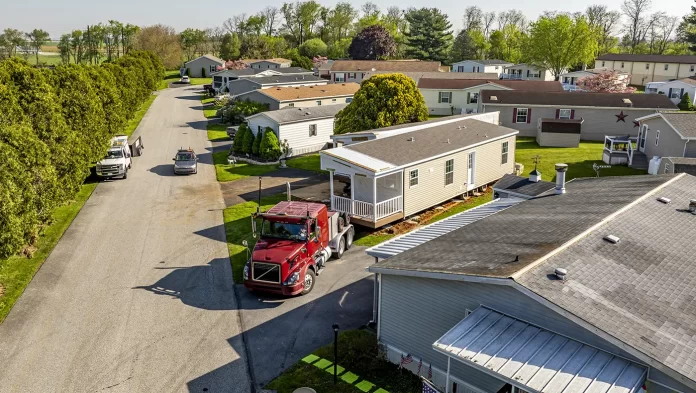
Photo of a mobile home being moved

Yes, mobile homes can be moved, but it’s not as simple as hitching them to a truck and driving away. While these homes were originally designed for mobility, moving a modern mobile or manufactured home is a complex process that requires specialized equipment, professional movers, and permits. Factors like the age of the home, its size, and the distance it needs to travel all play a role in determining whether moving the home is feasible—and cost-effective.

In this blog, we’ll break down what’s involved in moving a mobile home, the costs you can expect, and whether relocating your home makes sense based on your specific situation. Whether you’re considering a move or just curious, we’ve got the answers you need!

What is the Process of Moving a Mobile Home?

Moving a mobile home is a complex process that requires expert planning and execution. While it is “possible,” the cost and logistics of the move should be carefully considered to make sure it’s the right decision for your situation. It’s important to note that mobile homes are rarely ever moved from their original location due to the complexities and costs of moving a home. However, if you do decide to go through this process, here’s a breakdown of the key steps involved:

  • Check Local Regulations: Before you even think about moving a mobile home, you’ll need to check local laws and regulations. Some states or municipalities have restrictions on moving older mobile homes, and you will most likely need permits for the move.
  • Hire Professional Movers: Moving a mobile home is not a DIY job. You’ll need to hire a licensed and insured moving company that specializes in mobile homes. These professionals have the specialized equipment required to transport your home safely, whether it’s a single-wide or double-wide.
  • Prepare the Home for Transport: The movers will need to prepare the home for transport. This includes disconnecting utilities like water, electricity, and gas. They’ll also remove any skirting, porches, or attached structures and secure all doors and windows to prevent damage during the move. And if the home is a double wide or larger, they will need to separate the house back into the original sections that came from the factory for transport.
  • Transporting the Home: The moving company will attach your mobile home’s chassis to a specialized truck designed for transporting manufactured homes. Depending on the size of the home, the move may involve multiple sections if it’s a double-wide. The home will then be carefully transported to its new location, following designated routes that can handle the size and weight of the home.
  • Reinstallation: Once at the new site, the movers will reinstall the home on its foundation. This process involves reconnecting utilities, reattaching any external features like skirting or porches, and ensuring the home is level and secure.
  • Final Inspections and Permits: After the move, your home will likely need to be inspected to ensure it meets local building codes and zoning requirements. You may also need to update your permits and registrations depending on the new location.

What Is the Oldest Mobile Home That Can Be Moved?

The ability to move an older mobile home depends a lot on the condition of the home, as well as local and state regulations. Homes built before 1976, when the HUD safety standards were introduced, often face more restrictions, making it harder to relocate them. Every state has different rules, so it’s important to check before planning a move.

For example, what is the oldest mobile home that can be moved in SC? In South Carolina, moving a mobile home that was built before 1976 can be particularly challenging, depending on the county. Some counties do not allow you to move a mobile home that was built before the HUD Code was established.

Let’s take a look at another state: what is the age limit on moving a mobile home in Florida? Most Florida counties won’t let you move a mobile home built before 1976 unless it meets current HUD standards. You’ll likely need to have your home inspected, and depending on the condition, you may need to make upgrades before getting approval to move it.

Before making any plans, check local laws and work with professionals who specialize in mobile home transportation. They’ll help you figure out if moving your older home is possible and what steps you need to take.

How much does it cost to move a mobile home near me?

The cost to move a mobile home can vary depending on several factors like location, distance, the size of the home, and any necessary preparations for the move. In general, moving a mobile home can cost anywhere from $5,000 to $15,000, but additional costs for permits, utility disconnections, and reinstallation can drive the price higher. Let’s take a look at a few different states to get an idea of how prices change based on your location:

  • How much does it cost to move a mobile home in Texas? The cost tends to be on the lower end of the spectrum, depending on the distance and services included. The relatively flat terrain and the number of movers specializing in mobile homes in Texas can help keep the costs down.
  • How much does it cost to move a mobile home near California? In California, prices can be a bit higher due to stricter regulations and the added challenge of mountainous or uneven terrain. In California, it’s not uncommon for costs to be on the higher end of the spectrum, especially for longer distances or larger double-wide homes.

If you’re searching for the cheapest way to move a mobile home, consider moving shorter distances and comparing quotes from multiple movers. However, it’s essential to avoid cutting corners when it comes to safety and compliance with local regulations. A reliable mover will ensure that all permits, inspections, and transportation guidelines are followed to prevent complications during the move.

A helpful tool to estimate your costs is a mobile home moving cost calculator. These calculators let you input details like the size of your home, distance to be moved, and any additional services you might need, giving you a more accurate estimate before contacting movers.

No matter where you’re moving, planning and budgeting for the associated costs will help you make the process as smooth as possible.

Is There an Alternative to Moving a Mobile Home?

Yes, there’s a great alternative to moving a mobile home: buying or renting a new one in your desired location. Moving a mobile home can be a complicated and expensive process, especially when you consider the permits, professional movers, and transportation logistics. Instead of dealing with the hassle, you can explore options on MHVillage for purchasing or renting a new or pre-owned home that’s already set up in a location that works for you.

At MHVillage, you’ll find a wide variety of mobile homes for sale or rent across the country, from affordable single-wide models to spacious double-wide homes in communities with amenities. Whether you’re looking to move to a new state or simply want a fresh start in a different part of town, browsing MHVillage can give you access to homes that are ready to go, without the stress of relocation.

Renting is another great option if you’re not ready to commit to buying. Many mobile home communities offer rental properties that come with added perks like community pools, fitness centers, and maintenance services. This way, you can enjoy a new location without the burden of moving your existing home.

With MHVillage’s easy-to-use search filters, you can quickly find homes for sale or rent in your desired area, saving you the time, money, and headache of physically moving your mobile home. Take a look today!

How to Negotiate the Price of a New Mobile Home

Photo of people negotiating the price of a home

Over the past few years, the popularity of manufactured or mobile homes has increased, largely due to the value they provide over “site-built” homes. Today, over 20 million Americans live in manufactured homes, and they represent roughly one in ten new constructions.

Naturally, this may lead buyers to wonder about whether they might be able to negotiate during the buying process. This article will answer a few key questions about the affordability—and negotiability—of manufactured or mobile homes, including what you can expect, as well as some basic negotiation tips.

How Much Are Home Sellers Willing to Negotiate?

It depends on several different factors, including:

  • Market Conditions: Is it currently a buyer’s market? A buyer’s market basically indicates there are more homes for sale than there are active buyers. This type of market typically gives buyers an advantage. Of course, the converse is also worth noting: if you’re in a seller’s market—more willing buyers than there are homes for sale—it will be harder to negotiate.
  • Condition of the Home: If you’re buying a pre-owned home, especially if it’s on the older side, you can usually negotiate price based on the extent of repairs that it needs.
  • Comparable Sales: The more you understand about what comparable homes are being sold for, the better position you’ll be in to negotiate a competitive price.

Ultimately, each transaction is unique. In addition to a home’s price, you might also be able to negotiate details like closing costs, required repairs, and so on.

Are Mobile Home Prices Negotiable?

Yes, similar to site-built housing, the price you pay for a new mobile or manufactured home is often negotiable. The extent to which you might be able to negotiate a lower price depends on a wide range of factors. For pre-owned or for-sale-by-owner homes specifically, some of these are related to the property itself (such as its location, condition, and how long it’s been on the market), while others depend on the seller’s disposition. When buying a brand new manufactured home, however, you might not have quite as much negotiating power.

How to Negotiate the Price of a Manufactured Home: What You Need to Know

The main thing you need to know about negotiating the price of a mobile home is that every transaction will be different—and impacted by several different factors. With a newly-built manufactured home, the price will depend on features and amenities, add-ons, and any customizations. Each homeowner, too, is unique; some will set lower prices and negotiate less, while others might start with higher starting prices with the expectation that the buyer will want to negotiate.

A few tips for getting the best price possible include…

  • Researching market prices, including what similar homes are either on the market for or have sold for
  • Securing financing early, so you can set an appropriate budget when looking for homes to buy
  • Asking for inspection details if you are purchasing a pre-owned home, or to inspect the home yourself in order to uncover potential negotiation points
  • Making a list of what features and options are important to you and your family so when you talk to a home retailer you can eliminate unnecessary expense
  • Finally, if you are purchasing a home in a manufactured home community, talk to the manager of the community about possible home or rent promotions. Not all communities offer promotions, but some do and it never hurts to ask

For many buyers, the idea of negotiating can be intimidating, especially since there are so many variables involved, ranging from the location to the availability and condition of homes on the market.

Buying a new or pre-owned manufactured home through MHVillage removes a lot of potential anxiety from the process. You can set a specific budget and then fine-tune your search to align with exactly what you’re looking for. It’s also easy to compare different options based on high-quality photos and listed amenities, prices, and more.

How Much Should You Spend on a Mobile Home?

It’s really dependent on what you can afford. Whether you’re looking at an on-site home or a mobile home, a common rule of thumb is the 28/36 rule, which states that “you should spend no more than 28% of your gross monthly income on housing and no more than 36% on all debts.” For more detailed insights, using an online calculator to determine what you can afford to spend is an excellent first step for any buyer.

If you’re wondering whether a given price is reasonable or not, it helps to know what these types of homes typically cost. For example, research shows that while the average cost of a site-built home exceeds $400,000, the average cost of a manufactured home comes in just below $125,000. Comparing these costs on a per-square-foot basis, manufactured homes cost roughly half as much, at an average of $87/square foot (compared to $166/square foot for site-built homes).

What Do I Wish I Knew Before Buying a Mobile Home?

Experience is often the best teacher, and many of the best tips for buying a manufactured home come from people who have previously navigated the buying process. Here are a few tips from experienced buyers:

  • The overall home price isn’t necessarily the only negotiating factor. In many cases, you can also negotiate repairs, closing costs, and more depending on if the home is new or pre-owned.
  • Acting too eager to buy reduces negotiating power. If a seller knows you’re dead-set on a particular home, they’re less likely to negotiate.
  • Moving too quickly—or waiting too long—can cost you a deal. This is one of the more subtle aspects of negotiation that’s as much about your disposition as a buyer as it is about what you’re willing to pay.
  • Getting approved for financing before shopping increases your buying power. Pre-approval helps you to firm up what you can afford to pay, and helps position you as a serious buyer that’s ready to make a deal.
  • Working with a professional is a smart idea, especially for first-time buyers. They can help you evaluate opportunities, consider advantages and disadvantages of different homes, and make the best decision possible.

Hidden Costs of Buying a Mobile Home

When considering buying a mobile or manufactured home, it’s important to be aware of the “hidden costs” since they can have a significant impact on what you ultimately pay. These can include…

  • The cost of land: If the home isn’t sited, you will need to consider the cost of the location, whether that means buying a permanent plot of land or exploring mobile home communities.
  • Land-lease fees: If you opt to reside in a mobile home community, instead of paying for land outright you will pay a monthly fee often called lot rent (which varies based on the location, amenities, and other factors).
  • Transportation: If you are purchasing a new home which has not yet been sited, there will be a cost to transport the home from the manufacturer to the home site. You can expect it to cost anywhere from a few thousand dollars to $10k or more.

For more information, check out our recent article, 8 Costly Mistakes that Mobile Home Buyers Make (and How to Avoid Them).

Find Great Deals on Manufactured Homes for Sale at MHVillage.com

Whether you’re interested in seeing new or used manufactured homes for sale, start your search today at MHVillage.com. Since our formation over 20 years ago, we’ve grown to become the nation’s #1 place to buy, sell, or rent manufactured and mobile homes. Thousands of manufactured home professionals and homeowners list their homes for sale on MHVillage. We make it easy for you to research homes available in your area and contact sellers for more information—visit our website to start your search today!

Mobile Home vs Manufactured Home HUD: Your FAQs Answered

Photo of mobile homes HUD code manufactured homes

If you’ve ever found yourself wondering about the difference between mobile homes and manufactured homes, you’re not alone. The terms are often used interchangeably, which can be confusing for buyers and homeowners alike. But there’s actually a significant distinction between the two, especially when it comes to HUD Code regulations. Understanding these differences is key when navigating your housing options, whether you’re buying, selling, or simply curious.

In this blog, we’ll break down the most frequently asked questions about mobile homes, manufactured homes, modular homes, and the regulations that govern them. We’ll clear up the confusion, help you make sense of the terminology, and guide you through what to expect when considering one of these homes. Let’s dive into the world of factory-built housing and answer all your pressing questions!

Why Was the Term Mobile Home Replaced with Manufactured Homes in 1976?

The term “mobile home” was replaced with “manufactured home” in 1976 to reflect significant changes in construction standards and quality. Before 1976, mobile homes were often built without consistent regulations. That changed when the U.S. Department of Housing and Urban Development (HUD) implemented federal building standards for factory-built homes. These new regulations required all manufactured homes meet specific guidelines for construction, safety, and energy efficiency. The name “manufactured home” was introduced to mark this shift and distinguish these newer, more regulated homes from their pre-1976 counterparts.

What Does HUD Mean on a Mobile Home?

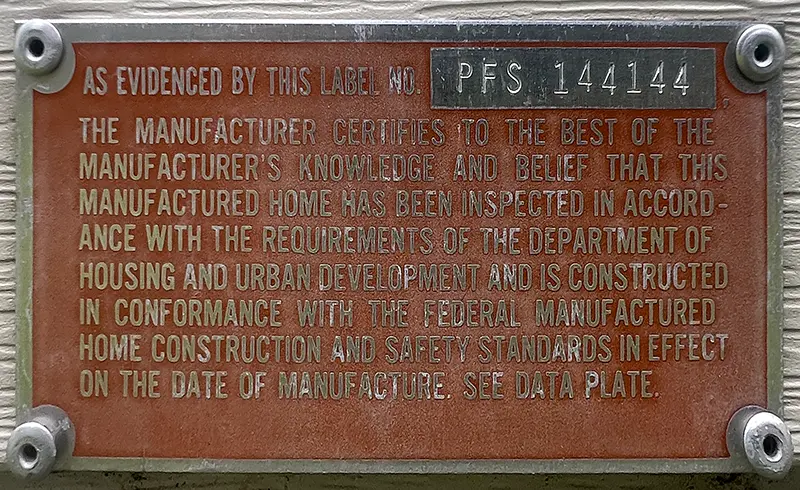
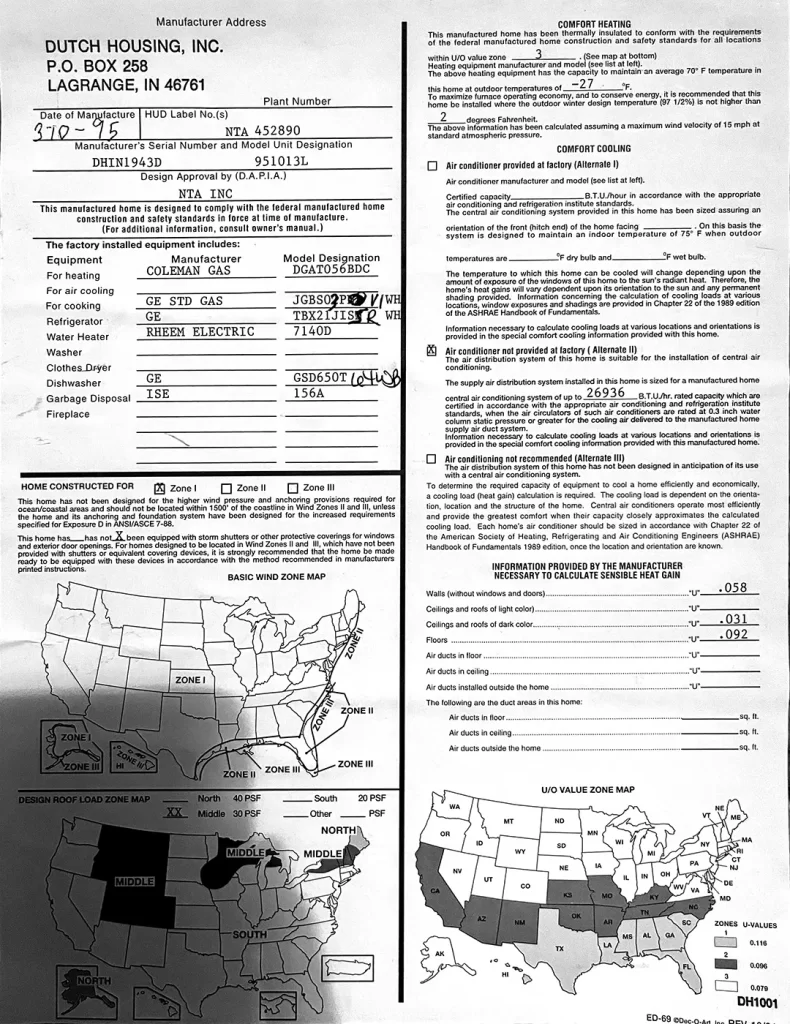
HUD stands for the U.S. Department of Housing and Urban Development. And when it comes to mobile and manufactured homes, it refers to the federal building code that all manufactured homes must follow. The HUD Code sets standards for construction, durability, safety, energy efficiency, and performance. Homes built after June 15, 1976, are required to meet these standards, and each manufactured home receives a HUD tag, or certification label, to verify it complies with these regulations.

Photo of an example HUD tag on a manufactured home.

Which Type of Home Is Built to Meet the HUD Code?

Today, all manufactured homes are built to meet the HUD code. These homes are constructed in a factory setting and are required to follow federal building regulations established by the U.S. Department of Housing and Urban Development. The HUD Code ensures that manufactured homes are built to high standards for safety, energy efficiency, and overall durability. Unlike mobile homes built before 1976, which were not subject to these regulations, every manufactured home must meet these guidelines, making them a safe and reliable housing option.

What is the Difference Between a Manufactured and a Mobile Home?

These terms are often used interchangeably, although there is technically a difference—the main difference between a manufactured home vs mobile home comes down to when the home was built. The term “mobile home” refers to the factory-built homes constructed before June 15, 1976. Homes built after this date are referred to as manufactured homes, reflecting their adherence to the current standards for safety, energy efficiency, and durability. So, while both types of homes are factory-built and often share a similar appearance, manufactured homes are built to meet modern federal construction guidelines.

Is a Double Wide the Same as a Manufactured Home?

A double wide is a type of manufactured home, but it refers specifically to the size and layout. Manufactured homes come in different configurations, and a double wide means the home is constructed in two sections that are joined together at the home site. Double wides offer more living space than single-wide homes, making them a popular choice for families or those who want more room. All double wides built after 1976 meet the same HUD Code standards required for manufactured homes, so you get both size and modern standards in one package.

What is the Difference Between a Modular Home and a Manufactured Home?

The key difference between a manufactured home vs modular home lies in how they are constructed and regulated. Both are built in a factory setting, but manufactured homes are built to federal HUD Code standards, while modular homes must comply with local or state building codes just like site-built homes. Manufactured homes are typically transported in one or more sections on a chassis that remains part of the home. Similarly, modular homes are transported in sections, but on flat-bed trucks and assembled on a foundation at the home site. Modular homes tend to offer more flexibility in design while manufactured homes offer convenience and affordability.

How Can I Tell the Difference Between a Modular Home and a Manufactured Home?

The main difference between modular and manufactured homes lies in how they’re constructed and the building codes they follow. Modular homes are built in multiple pieces, or modules, in a factory and transported to the private-land home site in several shipments. Once delivered, the modules are assembled on-site, typically with a crawl space or basement foundation. Modular homes must comply with all local and state building codes, just like traditional site-built homes. This flexibility allows for more customization in terms of size and design.

In contrast, manufactured homes are built to federal HUD Code standards in sections that are transported on a steel chassis that is part of the home’s structure. For example, a single-wide home is one section, while a double-wide home is two sections. Manufactured homes can be placed in either a community or on private land with a crawl space or basement.

What is the Difference Between a HUD Home and a Modular Home?

A HUD home refers specifically to a manufactured home built to meet the HUD Code, which sets federal standards for construction, safety, and energy efficiency. These homes are built on a steel frame and transported to the site in one or more sections. Modular homes, however, are built to meet local or state building codes, which can vary depending on the area.

Is It Cheaper to Build or Buy Modular?

When comparing modular homes to site-built homes, modular homes can offer significant cost savings. In fact, building a modular home can reduce the cost per square foot by up to 30% compared to building a traditional site-built home. This is largely due to the efficiencies of factory construction, where homes are built in a climate-controlled environment. Working indoors minimizes material waste caused by weather conditions like rain, wind, or freezing temperatures, and keeps construction timelines more predictable.

Additionally, factories can purchase materials, hardware, and appliances in bulk, driving down the overall cost of construction. This leads to considerable savings that are passed on to the buyer. The controlled environment not only helps reduce costs but also benefits the environment by minimizing material waste, and protects the building materials from weather and rain during the construction process. So, while the size, materials, and amenities of each home can vary, modular homes consistently offer lower construction costs with the added benefit of being eco-friendly.

In short, modular homes are often a more cost-effective option compared to building a site-built home, especially when considering the reduced construction time and minimized material waste.

Where Can I Find Manufactured Homes for Sale and Modular Homes for Sale?

When you’re in the market for either a manufactured home or a modular home, finding the right place to search is key. That’s where MHVillage comes in. MHVillage is the largest and most comprehensive marketplace for mobile and manufactured homes in the U.S., with a wide array of listings from across the country. Whether you’re searching for a brand-new manufactured home or a modular home, MHVillage offers the tools and resources to make your search easy, efficient, and tailored to your specific needs.

At MHVillage, you can browse a vast selection of manufactured and modular homes for sale from top manufacturers, private sellers, and community listings. The platform’s robust filtering system allows you to narrow down your search based on your unique preferences, helping you find a home that fits your budget, location, and lifestyle.

  • Search by Location
    One of the most convenient features of MHVillage is the ability to search by location. Whether you’re looking for homes in a specific state, city, or even a zip code, MHVillage lets you filter listings based on where you want to live. Are you interested in moving to a warm, sunny state like Florida or California? Or are you considering a more affordable market in states like Indiana or Texas? MHVillage allows you to tailor your search to any location in the U.S., so you can find homes that are situated in communities, on private land, or wherever best suits your needs.
  • Filter by Price
    Our platform also makes it easy to search for homes within your price range. You can set a minimum and maximum price to view only the homes that fit your budget, whether you’re looking for a high-end modular home or an affordable manufactured home. With MHVillage, you’ll see the full spectrum of price options, including both new and pre-owned homes, helping you find the best deal available.
  • Customization Options
    One of the best features of MHVillage is the ability to filter your search by the specific features you want in a home. Whether you’re seeking a modular home or a double-wide manufactured home with premium finishes like granite countertops, hardwood floors, or energy-efficient appliances, MHVillage allows you to narrow your search to homes that match your specific needs. You can also search by home size, including the number of bedrooms and bathrooms, as well as square footage, ensuring that your next home has the space and features that matter most to you.
  • Community vs. Private Land
    If you’re wondering whether to place your new home in a community or on private land, MHVillage gives you the tools to explore both options. You can filter your search based on homes located in established manufactured home communities or homes available for placement on private land. MHVillage even includes homes located in 55+ communities, family-friendly neighborhoods, and luxurious resort-style communities with amenities like pools, fitness centers, and social activities. This feature is perfect for anyone looking to find a home in a community setting or to explore options for buying land alongside their new home.
  • View Photos, Virtual Tours, and Contact Sellers
    MHVillage also provides detailed listings with high-quality photos and even virtual tours of homes, so you can explore a home’s layout and features before ever stepping foot inside. Once you’ve found a home that interests you, MHVillage makes it easy to connect directly with sellers, whether they’re private owners, retailers, or community managers. You can ask questions, schedule viewings, or negotiate terms—all from within the platform.
  • Up-to-Date Listings and Advanced Search Options
    With MHVillage, you’ll never have to worry about outdated listings. The platform is regularly updated with the latest homes on the market, meaning you have access to real-time availability. Additionally, MHVillage offers advanced search options to help you find homes with specific attributes like garages, porches, or particular home manufacturers. This allows you to really hone in on what you’re looking for, whether that’s a fully custom modular home or a budget-friendly pre-owned manufactured home.

Finding your dream home doesn’t have to be complicated. MHVillage makes it easy to search, filter, and explore a wide range of options, whether you’re looking for a cozy starter home or a luxury model with all the upgrades. With its comprehensive tools and resources, MHVillage is your one-stop shop for finding your next home, tailored exactly to your needs. Start your search today and take the first step toward finding your perfect manufactured or modular home.

Mobile Home Manufacturers: Your Guide To Building or Buying A Manufactured Home

Photo of a mobile home manufacturer

Here at MHVillage, we understand that stepping into the world of mobile homes can feel like a big decision. Do you buy an already-built home, or do you design your own from scratch? Mobile homes today aren’t just about affordability—they offer endless possibilities for customization, comfort, and modern living.

Whether you’re drawn to the idea of choosing every feature in a custom build or you’re eager to find a ready-made home that checks all your boxes, navigating the options can be overwhelming. That’s why we’ve created this guide—to help you explore the best path for your needs, whether it’s building or buying a manufactured home. We’ll walk you through what to expect, how to choose the right manufacturer, and what factors you should consider when making your decision.

Let’s dive into your options and help you discover the home that’s just right for you!

Is It Better to Build or Buy Manufactured Homes?

When deciding between building or buying a manufactured home, the right choice depends on your personal preferences, timeline, and budget. Buying a manufactured home offers convenience and speed. With pre-owned homes ready for purchase, you can move in quickly, avoiding the time and potential stress of construction. Many homes are already set up in communities or private land, making the transition even easier.

On the other hand, building a manufactured home allows you to customize many aspects of your new home, from layout to finishes. This gives you the flexibility to design a home that fits your exact vision. However, building may require more time and may involve additional costs. Let’s take a look at some questions to help you weigh the pros and cons of building versus buying a manufactured home based on your personal situation and preferences:

  • How quickly do I need to move into my new home?
    Buying a pre-built home offers faster move-in times, while having a home built requires more time.
  • How important is customization to me?
    Building allows for more personalized layouts and features, whereas buying may have limited customization options.
  • Do I have a site for my home?
    Building a new home will require you to secure a community lot or private land first, while pre-owned homes are already set in communities or on private land.
  • Do I want to move into a home with established amenities, or am I willing to create those myself?
    Buying or building in a community often includes amenities like swimming pools, walking trails or dog parks, while a home on private land may require additional site development work and landscaping.
  • What is my budget, and do I have flexibility for additional costs?
    Building can sometimes involve extra costs for permits, land, well, septic, and other factors compared to buying pre-owned.

Whether you choose to build or buy, both options offer the benefits of affordability and modern amenities that manufactured homes provide.

Who Is the Best Mobile Home Manufacturer?

Choosing the best mobile home manufacturer depends largely on what you’re looking for in a home. Different manufacturers excel in different areas, from affordability to luxury features, making it important to identify what matters most to you. Whether you’re focused on modern designs, energy efficiency, or customizable floor plans, the best manufacturer will be the one that aligns with your needs and budget. Take time to research the options, compare customer reviews, and explore the features that different companies offer to find the right fit for you. Here’s a few questions to ask yourself that can help you figure out which manufacturer to use:

  • What’s my budget?
    Determine if you’re looking for a more affordable model or if you’re willing to invest in higher-end, luxury features.
  • What level of customization do I want?
    Do you want a home that’s fully customizable, or are you okay with pre-designed floor plans and features?
  • What size home do I need?
    Consider how many bedrooms, bathrooms, and square footage are necessary for your lifestyle. Do you need a triple-wide mobile home or a park-model?
  • What materials and features are important to me?
    Do you prioritize eco-friendly materials, energy efficiency, or premium finishes like hardwood floors and granite countertops?
  • Where will the home be located?
    Is the manufacturer experienced with building homes suited to your specific climate and region?
  • How quickly do I need the home?
    Do you have a flexible timeline that allows for building, or do you need a faster move-in option? Does the manufacturer you are considering have a backlog of orders that may affect your desired timeline?
  • What do other buyers say?
    Look at customer reviews and testimonials to gauge satisfaction with the manufacturer’s quality and service.
  • What warranty and support do they offer?
    Check if the manufacturer provides strong after-sales support and a reliable warranty.
  • What is the reputation of the manufacturer?
    Consider how long the manufacturer has been in business and their standing in the industry.

Who Is the Largest Mobile Home Manufacturer in the US?

The title of the largest mobile home manufacturer in the U.S. often goes to companies that have been in the industry for decades, producing a high volume of homes each year. The three largest manufacturers in the USA are Clayton Homes, Skyline Champion, and Cavco. These manufacturers have extensive production networks, enabling them to offer a wide range of home styles and price points. Larger manufacturers typically provide more options in terms of customization and feature sets, allowing buyers to find homes that match their preferences.

What Is the Best Quality Mobile Home Manufacturer?

The best quality mobile home manufacturer is one that prioritizes construction standards, high-end materials, and customer satisfaction. Look for manufacturers that consistently meet or exceed HUD Code regulations and use durable materials that offer long-term value. Customization options are another marker of quality, allowing buyers to tailor their homes to their specific needs. Additionally, manufacturers with strong warranties and excellent customer service can be considered among the best, as they stand behind the longevity and reliability of their products. A home that fits your needs in terms of both quality and craftsmanship will be the right choice for you.

How Much Does a Mobile Home Cost in the USA?

The cost of a mobile home in the USA can vary greatly depending on the state, whether it’s new or pre-owned, and factors such as the home’s size and features. Let’s take a look at a few popular states to explore pricing:

  • How Much Does a Mobile Home Cost in California?
    California’s real estate market is known for being one of the most expensive in the country, and this extends to mobile homes as well. In California, the cost of a new mobile home averages around $237,427, while pre-owned models typically go for $179,560. Factors like proximity to urban centers and amenities within mobile home communities can all impact the final price. California has a robust market for mobile homes, with many manufacturers offering a wide range of designs and features. Some well-known mobile home manufacturers near California provide everything from budget-friendly options to luxury manufactured homes in California. By working with local manufacturers, you can explore homes that are tailored to California’s climate and zoning regulations, getting a better fit for your needs.
  • What Is the Average Cost of a Manufactured Home in Washington State?
    In Washington state, manufactured homes tend to be a little bit more affordable compared to California. The average cost for a new manufactured home is around $160,732, depending on the size and customization. Pre-owned homes come in a bit less at an average of $106,148. The state’s growing demand for affordable housing has made manufactured homes a popular option for many buyers.
  • How Much Does a New Mobile Home Cost in Texas?
    Texas is known for its relatively affordable housing market, and this includes mobile homes. The average cost of a new mobile home in Texas is about $116,314, with pre-owned models typically priced around $59,321. Texas also offers a range of options when it comes to mobile home communities, from more basic setups to luxury environments with resort-style amenities.
  • What Is the Average Cost of a Manufactured Home in Florida?
    The average cost of a manufactured home in Florida varies depending on whether it’s new or pre-owned. For a new manufactured home, the average price is around $140,916, while used mobile homes in Florida typically cost about $73,244. Prices can fluctuate based on factors like location, size, and the features of the home, with homes in more desirable areas or with luxury amenities generally priced higher. Florida is a hot spot for mobile homes, thanks to its retirement communities and warm climate. There are several prominent mobile home manufacturers in Florida that cater to a wide range of needs, from affordable park-models and single-wide homes to spacious, high-end double wides. Florida’s mobile home market continues to thrive, with buyers often seeking options in active adult communities or coastal areas, where mobile homes offer an affordable alternative to traditional housing.

Is a Manufactured Home a Good Investment?

Yes, in today’s housing market, a manufactured home can be an excellent investment. With their affordability, potential for value appreciation, and customizable features, these homes offer an opportunity for financial growth and comfortable living. Whether you’re looking to save money on your initial purchase or aiming for long-term returns, a well-maintained manufactured home can provide both financial and personal rewards over time.

  • Appreciation in Value: One of the biggest myths about manufactured homes is that they don’t appreciate in value, but that’s not entirely true anymore. Studies, including one from the Federal Housing Finance Agency (FHFA), have shown that today’s manufactured homes, when properly maintained, can appreciate in value much like site-built homes. This means that buying a manufactured home isn’t just about affordable living—it can also be a long-term financial asset.
  • Affordability and Cost Efficiency: One of the most appealing aspects of manufactured homes is their price point. They are significantly more affordable than site-built homes, allowing buyers to become homeowners without taking on overwhelming debt. This affordability can free up financial flexibility for savings, investments, or other priorities. With a lower purchase price, manufactured homes also come with lower monthly costs, from utilities to maintenance. This makes them an ideal investment for anyone looking to minimize their housing expenses while still enjoying the benefits of homeownership. Plus, new manufactured homes come with energy-efficient appliances, thermostats, HVAC systems, and windows. So, investing in a manufactured home can save you money in the long run.
  • Customization and Features: Today’s manufactured homes offer a level of customization and design options that rival many traditional homes. From open floor plans to high-end finishes, buyers can choose a home that fits their style and needs without compromising on quality. These customizable options can add to the home’s resale value, especially when combined with the growing demand for affordable, modern housing.
  • Investment Potential: Manufactured homes also have great investment potential, especially in areas where housing affordability is becoming a challenge. As more people discover the benefits of manufactured home living, demand for these homes is rising. This can lead to appreciation in value, especially if the home is well-maintained and located in a desirable area. Communities with amenities like pools, fitness centers, and organized activities further increase the appeal, making manufactured homes a great option for those seeking a balance of comfort and affordability.

Where Can I Find New Manufactured Homes for Sale and Used Manufactured Homes for Sale?

Here at MHVillage, we make it easy to find both new and used manufactured homes for sale, all in one place. Whether you’re looking for the latest models with customizable features or a well-maintained pre-owned home that fits your budget, we’ve got you covered.

If you’re in the market for a new manufactured home, MHVillage offers a huge selection of listings from top manufacturers across the country. You can easily search by location, home type, or price to find exactly what you’re looking for. Many of these new homes come with modern amenities, energy-efficient features, and customizable options that allow you to design a home that meets your lifestyle.

For those considering a used manufactured home, MHVillage is the best resource as well. With thousands of pre-owned homes available, you can explore a wide variety of options that fit your budget and needs. A used manufactured home can offer incredible value, and with MHVillage’s extensive search tools, you can find homes in excellent condition, often at a fraction of the price of a new one.

Whether you’re looking for brand-new or pre-owned, MHVillage is your one-stop shop for finding the perfect manufactured home. Let us help you connect with sellers and communities to make the buying process smooth and easy—explore our listings today!

Luxury Double Wide Mobile Homes Prices

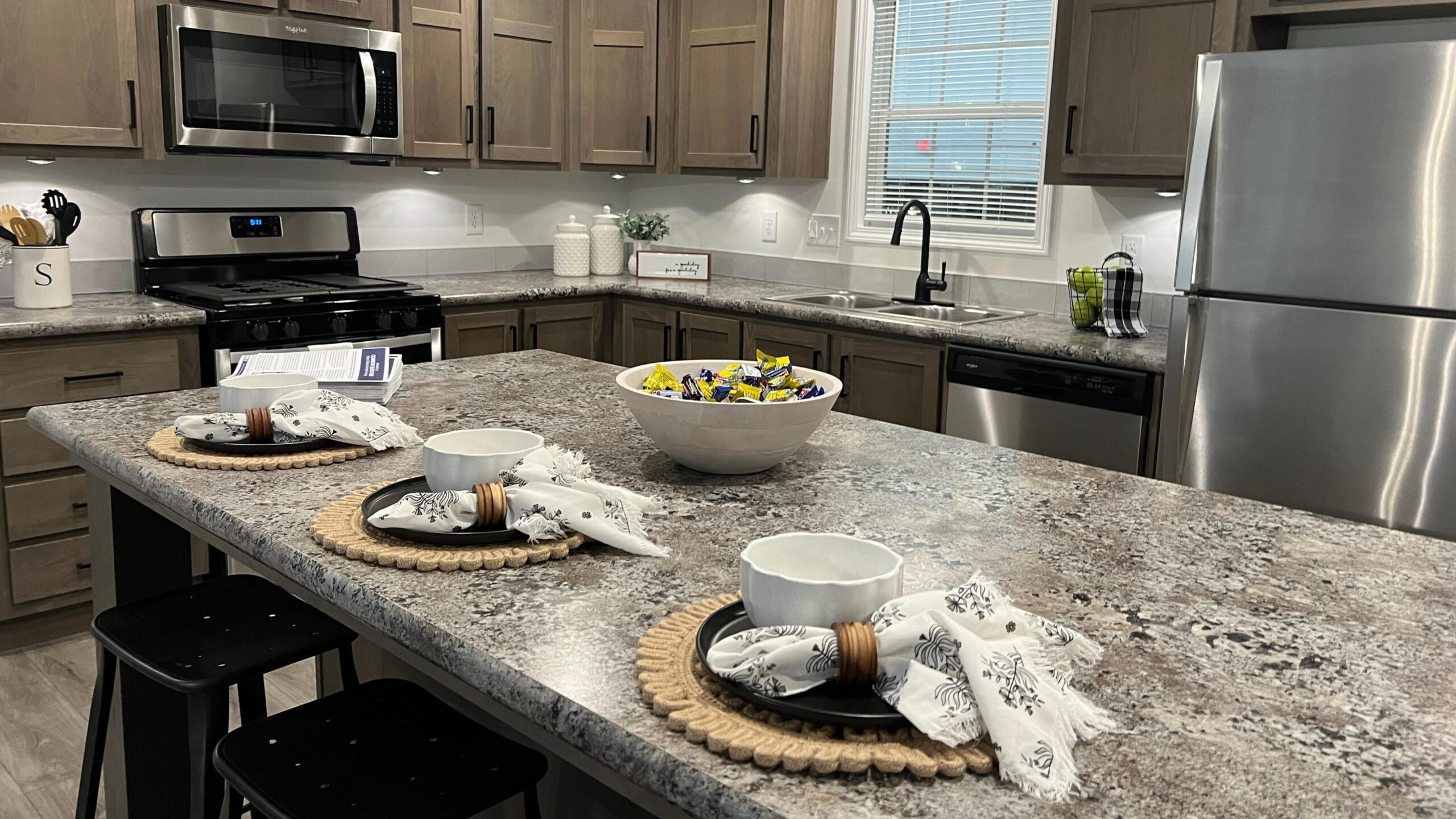
Photo of a luxury double-wide mobile homes kitchen

At MHVillage, we’ve seen the world of mobile homes evolve into something truly extraordinary. What once was considered a simple and affordable housing option has now transformed into luxurious, spacious homes that rival site-built houses in both style and comfort. Double-wide mobile homes, in particular, have taken luxury living to a new level with expansive layouts, high-end finishes, and custom features that cater to modern lifestyles.

Imagine walking into your double-wide mobile home, greeted by an open-concept living room with sleek hardwood floors, a gourmet kitchen outfitted with stainless steel appliances, and a master suite that feels like a private retreat. Whether you’re looking for a permanent residence or a seasonal escape, these homes offer all the comfort and sophistication you could want—at a fraction of the cost of site-built homes.

In this guide, we’ll explore the pricing of luxury double-wide mobile homes, giving you insight into what you can expect when searching for your next home. With MHVillage’s extensive listings, finding the perfect blend of luxury and affordability has never been easier.

What Is a Luxury Mobile Home?

A luxury mobile home offers a combination of high-end features and modern amenities that rival traditional site-built homes. These homes often come with upgraded finishes, spacious floor plans, and the latest in design trends. Think gourmet kitchens with stainless steel appliances, spa-like bathrooms with soaking tubs, and large open living spaces perfect for entertaining. Many luxury mobile homes are double-wide models, providing extra square footage and the feeling of a site-built home while maintaining the benefits of affordability and flexibility. With their attention to detail and quality construction, luxury mobile homes offer homeowners a comfortable, stylish living experience at a fraction of the cost of site-built houses.

What Is the Most Luxurious Mobile Home Park?

A truly luxurious mobile home park is defined by more than just beautiful homes—it’s about creating an upscale, resort-like living experience. These parks often feature a variety of high-end amenities, such as swimming pools, fitness centers, clubhouses, and even golf courses. Beautifully landscaped grounds with walking trails and communal areas add to the appeal, giving residents a peaceful and scenic environment to enjoy. Some luxury manufactured home communities offer gorgeous views of the mountains or ocean—and you may even find a special oasis with a dock for boating and fishing.

The community may be gated or offer enhanced security, providing residents with peace of mind. In addition, top-tier mobile home parks place a strong emphasis on community, offering organized social events, hobby clubs, and activities that foster a close-knit atmosphere. It’s these amenities and attention to detail that elevate the experience, making a mobile home park feel like a luxury retreat.

What Is the Most Expensive Mobile Home That You Can Buy?

The price of a mobile home can vary widely depending on several factors. The most luxurious mobile homes can feature custom-built designs, high-end materials, and spacious layouts, often comparable to traditional homes in size and amenities. Double- or even triple-wide homes with multiple bedrooms, gourmet kitchens, attached garages, and spa-like bathrooms drive up the cost, as does the inclusion of luxury finishes such as hardwood floors, granite countertops, and state-of-the-art appliances.

Location also plays a big role in price. A mobile home situated in a desirable area—whether it’s a coastal community or a well-maintained luxury mobile home park—can significantly increase its value. For example, there are mobile homes in places like California that have been sold for $900,000 or more. Finally, land ownership can make a huge difference. A mobile home on a private lot will typically be more expensive than one in a rented-lot community because land adds to the overall investment.

How Much Are Most Double Wides for Sale?

The price of a double-wide mobile home can vary greatly depending on where you are in the U.S. In some states, you can find more affordable options, while in others, prices can rise significantly due to local market conditions. States like California and Florida tend to have higher-priced homes due to their desirable locations, while states in the Midwest may offer more budget-friendly options.

To get the most accurate, up-to-date prices on luxury mobile homes for sale, using MHVillage is your best bet. MHVillage offers a comprehensive marketplace that allows you to search by state, price range, and home features, giving you a clear idea of what double wides are going for in your area. Whether you’re looking for a budget-friendly option or a high-end luxury model, MHVillage helps you explore all your options and make an informed decision.

Luxury Double-Wide Mobile Homes Prices: FAQs

When it comes to buying a luxury double-wide mobile home, many questions arise about pricing and what to expect depending on location. Below, we answer some of the most frequently asked questions to give you a better understanding of the market.

  • How Much Do Double Wides Cost in Texas?
    The price of a double-wide mobile home in Texas can vary based on whether you’re purchasing new or pre-owned. On average, a new mobile home in Texas costs about $116,314, while pre-owned models are typically priced around $59,321. Factors like location, home features, and whether the home sits on private land can affect these prices. If you’re looking for luxury double-wide mobile homes prices near Texas, MHVillage is an excellent resource to explore listings that match your budget and preferences.
  • How Much Does a Double-Wide Mobile Home Cost in Florida?
    Florida offers a wide range of double-wide mobile homes, with prices depending on the age and condition of the home. For a new mobile home, expect to pay around $140,916, while pre-owned homes average $73,244. Florida’s warm climate and numerous mobile home communities make it an attractive place for buyers seeking a more affordable yet luxurious lifestyle. To explore luxury double-wide mobile homes for sale, MHVillage provides up-to-date listings to help you find the perfect home in the Sunshine State.

Why Do Manufactured Homes Have a Bad Reputation?

Manufactured homes have had their share of unfair criticism over the years, often being labeled as low-quality or temporary housing. But that reputation is outdated, especially as luxury manufactured homes are showing the world a completely different side of this industry. Today’s luxury manufactured homes are a whole new ballgame, offering spacious layouts, high-end finishes, and modern amenities that rival traditional site-built homes. These homes are built with top-notch materials and often include features like gourmet kitchens, spa-like bathrooms, and open-concept living areas. They’re even customizable, so you can design your home to fit your personal style and needs—just like any other high-end residence.

Another misconception is that manufactured homes don’t hold their value. But luxury manufactured homes, especially the larger double- and triple-wide models, are built to be permanent residences. When properly maintained, they can appreciate in value, offering a long-term investment while giving homeowners the chance to live in style without the hefty price tag of a site-built home.

As more people discover the elegance and affordability of luxury manufactured homes, the old reputation is fading. These homes prove that you can enjoy high-end living without compromising on quality or comfort, making them a smart and stylish choice for modern homebuyers.

What Brand of Mobile Home Is the Best?

When it comes to choosing the best brand of mobile home, it really depends on what you’re looking for. Different brands excel in various areas, whether it’s affordability, luxury features, or energy efficiency. The best brand for you will depend on your specific needs, budget, and what you prioritize in a home.

Some people may value luxury finishes, like high-end appliances, custom cabinetry, and spacious floor plans, while others might be looking for energy efficiency and durability. Factors such as the materials used, construction quality, and the level of customization available can all influence how “the best” is defined. Additionally, brands that offer strong warranties and excellent customer service can also be a big part of what makes one manufacturer stand out over another. Ultimately, the best brand is the one that aligns with your vision of your ideal home.

Who Makes the Highest Quality Manufactured Homes?

Determining who makes the highest quality manufactured homes comes down to a few key factors. Here are some of the most important elements to consider when evaluating a manufacturer:

  • Construction Standards: Look for homes that meet or exceed HUD Code, ensuring safety, energy efficiency, and durability.
  • Materials: The use of high-quality materials—such as sturdy framing, well-insulated windows, and energy-efficient appliances—indicates a home built to last.
  • Customization Options: Manufacturers that offer a range of floor plans, finishes, and design features allow you to tailor the home to your personal tastes and lifestyle.
  • Reputation and Reviews: Brands with strong customer reviews and a reputation for reliability and craftsmanship tend to offer better-quality homes.
  • Warranty and Support: A solid warranty and strong customer support show that the manufacturer stands behind its product, giving you peace of mind with your investment.

Ultimately, the highest quality home comes from a brand that delivers on these factors, ensuring a durable, comfortable, and customizable living experience.

Where Can I Find the Best Mobile Homes for Sale?

Here at MHVillage, we understand how important it is to find the perfect home, whether you’re searching for new luxury manufactured homes for sale, a used starter mobile home, or anything in between. That’s why we’ve made it our mission to offer the most extensive and up-to-date listings of modern mobile homes for sale across the country.

With MHVillage, you can easily search based on your specific needs—whether it’s location, price, or features like spacious floor plans, designer kitchens, or energy-efficient appliances. We know that every buyer has different priorities, which is why we give you the tools to explore homes that fit your vision of the ideal living space.

Plus, our platform makes it easy to connect directly with sellers and communities, so you can ask questions and get all the details you need to make an informed decision. At MHVillage, we’re committed to helping you find the best mobile home for your lifestyle. Let us help you take the next step toward finding your dream home—explore our listings today!

Visit The Novi Home Show and Tour Six New Model Homes, Oct. 11 – 13, 2024

Heads up, Southeast Michigan! The Novi Home Show will host six stunning manufactured homes for public display at the Michigan Manufactured Housing Association (MMHA) Manufactured Housing Showcase. 

Head to the Suburban Collection Showplace in Novi from October 11 – 13 to check out Michigan’s premier public showcase for factory-built homes. Tour half a dozen homes featuring great innovations and floor plans. If you’re a homebuyer looking for your new home, then this event is for you.

But don’t wait – The Novi Home Show is THIS WEEKEND! Get your tickets today by visiting www.novihomeshow.com/fall and save $2 off admission.

“Each of the six homes at the event are fully decorated and furnished, and show off the absolute best that modern manufactured housing has to offer,” MMHA President and CEO John Lindley said. “We can’t wait for the public to see the models that are available, with price points suitable for any homebuyer’s budget.” 

The homes on display at the Manufactured Housing Showcase will be priced starting as low as $43,500 and going up to $149,999.

The Novi Home Show takes place on Friday, October 11th from 12 p.m. to 7 p.m., Saturday, October 12th from 10 a.m. to 7 p.m., and Sunday, October 13th from 10 a.m. to 5 p.m.

How Much Will It Cost to Attend The Novi Home Show?  

  • General admission (ages 13 and up): $12 
  • Senior admission (ages 65 and up): $10 
  • Kids admission (ages 12 and under): FREE! 

Tickets are just $5 after 5 p.m. on Friday, October 11th and Saturday, October 12th. The MMHA Home Showcase is an exhibit within the Novi Home Show, so you won’t have to pay any additional admission.   

To purchase your tickets online for a discounted price, or to learn more about The Novi Home Show, visit www.novihomeshow.com/fall

About the Michigan Manufactured Housing Association

Michigan Manufactured Housing Association (MMHA) is a nonprofit trade association representing the manufactured and modular housing industry in Michigan. MMHA works to improve the image of manufactured housing by educating consumers, media and government about the quality, affordability, design and beauty of the homes. It also works to protect the interests of the industry and the owners of manufactured homes. For more information, please visit www.michhome.org

Sell Your Mobile Home With The Perfect Home Description

When selling your home online, one key aspect of the process is writing a description of your home. While it might seem like a small task, your listing description plays a large role in selling your mobile home successfully. 

But, it’s important to know how to best maximize the space in your home description to motivate as many buyers as possible to learn more about your listing.  

Compare Two Listings 

Let’s start by taking a look at two home descriptions from actual MHVillage listings: 

Description Example #1

Description Example #2

Which one do you think does a better job of “selling” the home? 

Why Does One Work Better? 

The first home description doesn’t provide many details about the home. If anything, it’s rather vague about several aspects of the home’s condition: 

  • What updates are needed to the interior of the home? 
  • How large is the shed? 
  • What appliances, if any, are included with the home? 
  • Is there a bathroom attached to the master bedroom? 
  • What amenities are available, if the home is in a community? 

If your home listing leaves potential buyers with more questions than answers, then you can bet that selling your mobile home will be an uphill battle. 

The second listing goes into great detail about what’s included with the home, inside and out. It points out many desirable features found in manufactured homes, such as the walk-in closets in the bedrooms, the large waterfront views, and the various upgrades made including the roof-over and the tile flooring. 

Going into this level of detail gives a potential home buyer compelling reasons to learn more about a home, whether it’s by asking for a tour or reaching out to the seller with questions. These, in turn, open more avenues for a potential sale. 

Taking the extra time to write a longer, more detailed home description can actually save time spent in the home selling process. This is because the more effective and detailed your description is, the more a potential buyer will want to buy your home. 

How to Write an Effective Home Description 

Now that we’ve talked about what makes a mobile home description effective, it’s time to go over how to write a mobile home description that sells your mobile home. 

Here are a few tips you should keep in mind: 

Give Buyers a “Tour” of Your Home

When you write your mobile home description, imagine that you’re taking the potential buyer on a verbal “tour” of the home. Start from the front door, then go into what buyers see when they first walk in, usually the living room. 

This way, your potential buyers put themselves in the shoes of a homeowner and can see themselves walking through your home — and potentially owning it. 

What Makes Your Home Stand Out?

Whether it’s what you like most about the home you’re selling, or a unique feature that makes your home one-of-a-kind, make sure to highlight what makes your home special in your listing description. 

For example, does your home have an oversized front porch or rear patio? Does the home have a beautiful waterfront view? Are the closets especially large and spacious? Talk about what you enjoy about your home to get potential buyers excited.    

Talk About Community Amenities 

If you’re selling a home in a community, talk about what amenities are available to residents. Things to list here include whether the park has a clubhouse, swimming pool, or boat/RV storage. If your community’s lot rent includes utilities such as internet, water, or trash pickup, include that, too.  

Mention Any Recent Repairs or Remodels

If you’ve had major renovations done to your home recently, make sure you mention that in your listing description! Big ones to call out include mobile home roof repairs, kitchen or living room remodels, flooring, and your furnace or air conditioner. 

Include Your “Call to Action” 

At the end of the day, think about what you want potential buyers to do after seeing your listing. Most likely, you want them to contact you and hopefully make the sale, right? 

Make sure you end your description by letting buyers know they can reach out to you to set up a tour or ask any questions about your home. This way, buyers read your listing description and feel more compelled to act if they’re interested in your home. 

Listing Questions

Can I Add to My Description, Or Change It, After It’s Been Posted? 

Yes! When you list your home on MHVillage, you can edit your home description at any time.

Is there a limit to how much I can include in my home description? 

Listing descriptions on MHVillage do not have a word limit. However, you want to avoid making your description so short that potential buyers are left with questions. You also don’t want to make it so long that readers click away from your listing before they’ve finished reading your home description. 

Whether you’re a seasoned professional or a first-time seller, we make the process of selling a mobile home easy. Start attracting homebuyers today by selling your mobile home on MHVillage

EVENTS

Tour New Manufactured Home Models at the Novi Home & Garden Show, March 28...

If you live in or around Southeast Michigan, then your opportunity to tour the newest manufactured homes is here!The Novi Home & Garden Show,...

Visit The Novi Home Show and Tour Six New Model Homes, Oct. 11 –...

Heads up, Southeast Michigan! The Novi Home Show will host six stunning manufactured homes for public display at the Michigan Manufactured Housing Association (MMHA)...

Tour Six New Manufactured Homes at the Novi Home Show this Weekend, Oct. 7...

This weekend, October 7th through the 9th, 2022, is your opportunity to tour six model homes as part of the Manufactured Home Showcase.  The Showcase,...