Home Blog Page 22

MHVillage.com Launches New Manufactured Home Resources & Learning Center

Manufactured and Mobile Home Resources Center

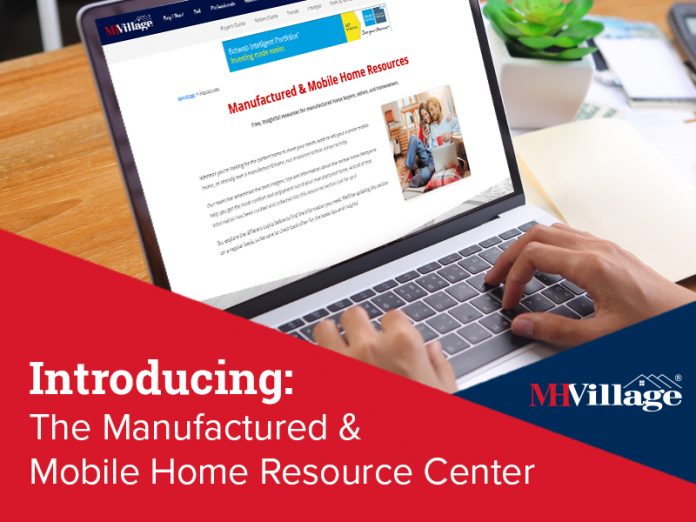
MHVillage.com has released a new manufactured and mobile home resources center dedicated to consumers. The knowledge and information hub was created to address common questions and scenarios that many manufactured home buyers, sellers, and owners face on a regular basis.

“We wanted to create a platform that walks consumers through the full process of buying, renting, or selling a manufactured home. There are many challenges that can come up along these different journeys, so our goal was to make them more approachable by offering step-by-step guidance in a structure that makes sense,” MHVillage Co-President Darren Krolewski said.

The resources center includes free, insightful resources across a variety of topics and categories.

Here are some of the main sections you can explore:

Mobile Home Buyers Guide:

A step-by-step walk-through of the manufactured home buying process from beginning to end. Topics covered in this section include:

  • Learning about mobile homes, important buying considerations
  • Mobile home financing, taxes, insurance
  • Tips for finding the perfect home
  • Information about the closing process
  • Moving in, transitioning to life as a homeowner

Learn more →

Mobile Home Sellers Guide:

A full roadmap with step-by-step guidance for selling a manufactured home. Topics covered in this section include:

  • Key planning tips and considerations
  • Adding value to your mobile home
  • How to price your mobile home
  • How to market your home and attract buyers
  • Closing the sale on your home

Learn more →

Manufactured Home Trends:

Fresh insights, research, and data to stay up to date with the industry and trending markets across the country: Topics covered in this section include:

  • Popular manufactured housing markets
  • Consumer surveys and research studies
  • Industry data and reports
  • Manufactured home FAQs

Learn more →

Mobile Home Living:

Articles and how-to-guides to help homeowners maintain, upgrade, and get the most out of the manufactured home lifestyle. Topics covered in this section include:

  • Mobile home maintenance and repair
  • Mobile home remodeling and renovation
  • Mobile home decorating and design

Learn more →

Stay Tuned for More Updates

The MHVillage team will be updating the resources center on a continuous basis, so be sure to check back for new additions moving forward.

Are Mobile Homes Energy Efficient?

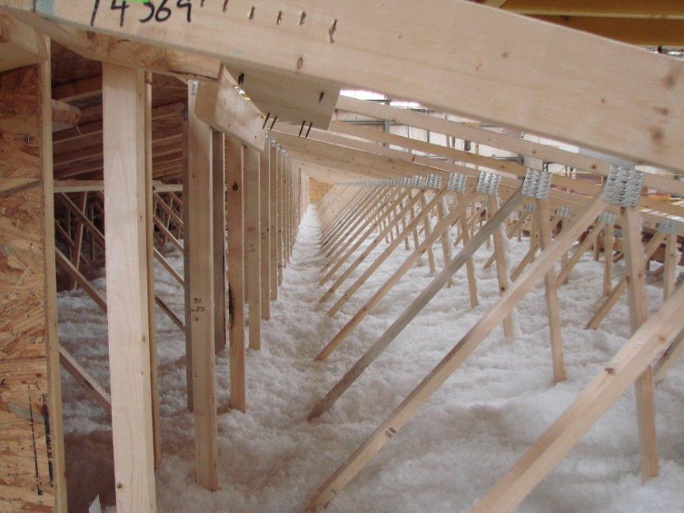
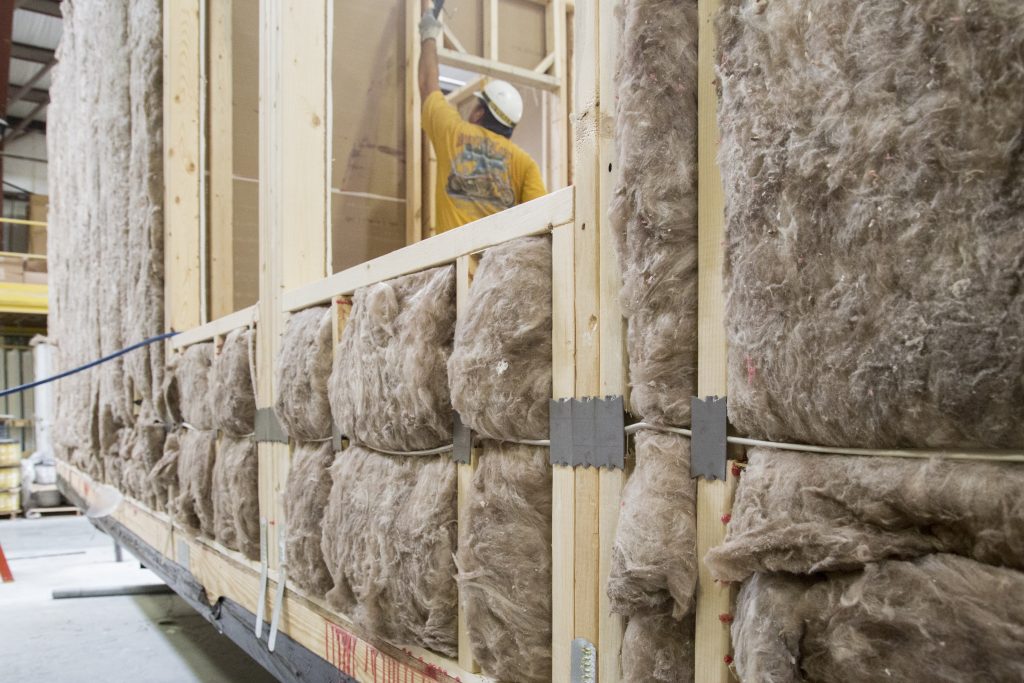
Energy efficient mobile homes - insulation
Courtesy of Clayton Homes

Homeowners are more concerned than ever about energy efficiency in their homes. Demand for energy-efficient homes is high as Americans strive to reduce their energy bills and their carbon footprints. If you’re considering buying a manufactured home, you might be wondering how to find an energy-efficient model.

Fortunately, the news is good: Manufactured homes have become steadily more energy efficient as innovation has improved building techniques and materials. Here, we’ll discuss the latest in energy-efficiency developments for manufactured homes. We’ll also talk about the most important things that owners of manufactured homes can do to improve their homes’ energy efficiency.

To begin, let’s look at a brief history of energy efficiency in manufactured homes.

Humble Beginnings

Manufactured homes have not always been known for energy efficiency. When mobile homes first became popular in the ’70s, they were often constructed using inexpensive materials that provided minimal insulation. As mobile homes became more popular, the government decided to protect homeowners by implementing regulations.

The U.S. government’s HUD Code, implemented in 1976, changed manufactured housing for the better by introducing stringent new standards for construction and durability. The code was updated again in the ’90s, creating new standards for energy efficiency as society became increasingly aware of the environmental impacts of energy consumption.

Changing Standards

As the 20th century gave way to the 21st, standards for manufactured homes continued to increase. Regulatory and market pressure spurred home manufacturers to continue developing their technology, and the result was an ever-increasing level of energy efficiency in manufactured homes.

Energy Efficiency in mobile homes
Some energy-efficient mobile homes come with an ecobee smart thermostat.

In 2016, the Department of Energy put out a new set of standards for making manufactured homes even more energy efficient. These standards are designed to save manufactured homeowners up to 30 percent on their energy bills, meaning that current and future generations of manufactured homes will offer the greatest energy efficiency yet.

Energy Efficiency in Today’s Manufactured Homes

New manufactured homes today are designed with energy efficiency in mind. Their HVAC systems are designed to equalize temperatures across a home’s heating and cooling zones, and their walls, floors and roofs are made from combinations of state-of-the-art building materials that improve the home’s R-value, or the rate at which its insulating materials prevent the flow of heat.

Clayton Homes, one of the leading home manufacturers, provides an example of R-values that buyers can expect from a modern, energy-efficient manufactured home. Homes with Clayton’s Energy Smart Home package include R-values of:

  • Walls: R-11
  • Ceilings: R-33 or R-30 for vaulted ceilings
  • Floors: R-22

Since manufactured homes are built in factories, a builder’s engineers can also fine-tune the manufacturing process to ensure quality control. That’s critical to ensure that manufactured homes are consistently built for maximum energy efficiency and year-round performance.

Energy Star Manufactured Homes

Many of the best energy-efficient manufactured homes now come with certifications from Energy Star, the government program that helps buyers identify more energy-efficient products. Buyers can expect all of the following from an Energy Star manufactured home:

  • Superior insulation
  • Tighter and more efficient ductwork
  • Highly efficient hot water systems
  • Energy-efficient windows
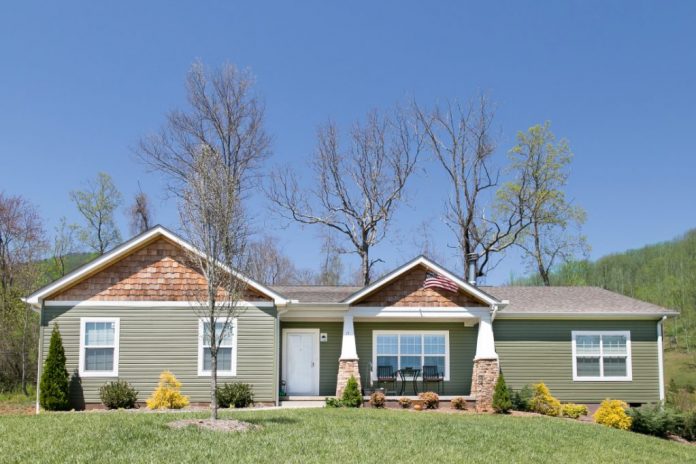
energy efficient mobile homes
Photo courtesy of Clayton Homes

Home manufacturers such as Clayton Homes have become leaders in production of Energy Star manufactured homes. The results are impressive: Clayton has earned EPA honors as a market leader in the development and sale of energy-efficient mobile homes, and they also run an enormously successful program that recycles thousands of tons of manufacturing waste, keeping it out of landfills.

Tips for Improving Energy Efficiency

Whether you own an Energy Star manufactured home or not, you can help improve the energy efficiency of your manufactured home through some relatively simple steps. Generally, these steps all have the goal of upgrading your home’s R-value:

MHVillage is packed with resources for manufactured homeowners who want an elegant and energy-efficient home. Check out our article on mobile home siding, or read about adding value to your manufactured home.

What Is a Prefab Home?

What is a prefab home?
Photo courtesy of Clayton Homes.

“Prefab home” is a term that’s frequently used in the real estate and home building industries. So, what is a prefab home? In a nutshell, it’s short for “prefabricated home,” which means any home that’s assembled in a factory facility and then shipped to its final home site. 

What kinds of homes can be considered prefab homes? Are modular homes prefab homes—and what is a modular home anyway? And why have prefab homes recently become so popular? If you’re on the hunt for a new home (or even just window shopping for one), you should know the basics of the different types of prefab homes. This guide will tell you everything you need to know. 

What Is a Prefab Home?

The word “prefabricated” combines the prefix “pre” (meaning coming before) and “fabricated” (meaning made or built). Thus, any of these three types of factory-built homes can qualify:

  • Manufactured Home: A prefab home built to the standards of the federal HUD code and constructed on a fixed steel chassis. A manufactured home may or may not be attached to a permanent foundation.
  • Modular Home: A prefab home that’s attached to a permanent foundation and built without a steel chassis. Modular homes must comply with local building codes rather than the HUD code, and they often have features of a site-built home such as a second story and full basement.
  • Mobile Home: While this term is often used to refer to manufactured homes, it actually refers specifically to prefab homes built before the HUD code was introduced in 1976.

Both manufactured homes and modular homes are popular housing options today. Over 22 million Americans live in manufactured homes, and modular housing is also gaining popularity. 

How Is a Prefab Home Made?

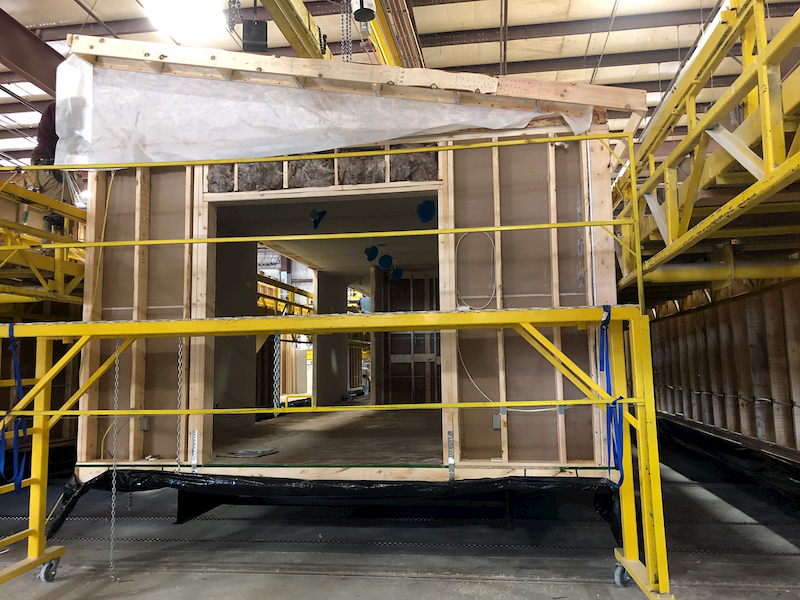
Prefab homes are made using most of the same building materials that are used to create a site-built home. The main difference is that most of the assembly and building process for a prefab home happens inside a factory, rather than at the home site. Almost every aspect of the prefab home building process—from framing to flooring to roofing to painting—happens in a factory.

How are Prefab homes made?

Single wide manufactured homes are built and transported in one section. Double wide and multi-section manufactured homes are built in three or even four sections. When these sections reach the home site, installers join them together using heavy-duty hardware and a waterproof gasket. 

Modular homes may be transported in any number of sections, depending on their architectural features. At the home site, the modular home installer will use a crane to position the modules on a foundation that’s been constructed on-site, and the installation crew will use special techniques to join the modules together and ensure that they’re secure. 

Advantages of Prefab Homes

Prefab homes have a lot to offer today’s homebuyer.

Advantages of Prefab Homes

  • Prefab homes can save buyers a lot of money compared to site-built homes. The average per square foot cost of a manufactured home is less than half that of a site-built home. 
  • Prefab homes are built in climate-controlled factories that keep them protected from wind, water, and other elements that can harm site-built construction. 
  • Prefab homes are manufactured, built, and assembled by homebuilding professionals who know each model and component inside and out. 
  • Many prefab homes now offer extensive customization options. With many models, everything from the color of the siding to the floor plan of the home can be customized to suit the buyer’s needs and tastes. 
  • Prefab homes can often be built much more quickly than site-built homes. Where the average home takes anywhere from seven to nine months to build, a prefab home can usually be manufactured, sited, and assembled in just a few weeks. 
  • Prefab homes appreciate in value just like other homes when installed on a permanent foundation on a piece of land that the homeowner owns.

Things to Know About Buying a Prefab Home

  • Getting a loan for a manufactured home can require a different process than getting one for a site-built home. Prefab buyers should look at manufactured home financing and understand their options. 
  • Many manufactured home buyers find that living in a manufactured home community has benefits that they enjoy. However, be aware that these communities may require you to choose from a select range of prefab home models. 
  • If you’re interested in pre-owned manufactured homes, make sure that you’re aware of the key things to look for when buying used.

Seeking a great prefab home for your family? MHVillage is America’s #1 online marketplace for new and used manufactured homes. You’ll find the newest and best manufactured homes in our mobile home floor plans section, as well as an extensive selection of used manufactured homes for sale.

How to Sell a Mobile Home in Arizona

Selling a mobile home in Arizona

Arizona is one of the nation’s fastest-growing states, with over 120,000 new residents arriving in 2018 and 2019 alone. The Grand Canyon State’s explosion in population means that many homebuyers are searching for high-quality affordable housing, which means that selling a mobile home in Arizona can be a sound and profitable decision.

In the latest installment of our state-by-state seller’s guides, we’ll discuss how to sell a mobile home in Arizona and the major factors that anyone selling a mobile home in Arizona should be aware of. First up, let’s talk about whether to sell by owner or go through an agent.

Sell by Owner or Use an Agent?

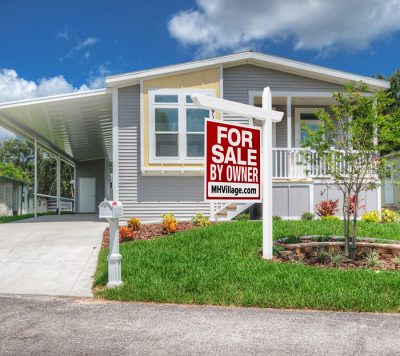
One of the first big decisions for anyone selling a mobile home in Arizona is whether they should sell their home themselves (also known as “for sale by owner” or FSBO) or sell through an agent. Both options offer advantages and potential drawbacks.

First, if your home is in an Arizona mobile home park, the park will almost always provide an agent who will sell your manufactured home for you. However, selling through an agent can still be the best option for a seller who prefers convenience. A real estate agent will help you market your home effectively and connect with buyers. (Make sure to find an agent who specializes in selling manufactured homes, as some agents only work with site-built homes.)

When is the best time to sell a mobile home?

Selling a manufactured home FSBO will provide substantial savings for the homeowner since they won’t have to pay an agent’s fee. However, FSBO can be challenging for sellers because the seller must do everything that an agent normally does, such as creating an optimized listing, reaching out to buyers and coordinating showings.

Appraisal and Inspection

Getting your home appraised and inspected is a critical step in the process of selling a mobile home in Arizona. A professional appraisal helps a seller determine a fair value for a home, while a professional inspection will highlight any major issues that need to be fixed before selling and will help give the buyer confidence in purchasing the home.

MHVillage offers a free mobile home book value with all listings. A book value is an excellent way to get a ballpark idea of how to price a mobile home, although an appraisal and inspection are still highly recommended (and may even be required in some jurisdictions).

Marketing Your Manufactured Home

Even in a hot housing market like Arizona, marketing your manufactured home is essential for attracting buyers. The average seller has two major ways to market a home: through their listings and by making improvements to their home’s presentation.

Creating an optimized manufactured home listing on MHVillage is one important part of your marketing plan. You want photos and descriptions that showcase your home in the most impressive and buyer-friendly way possible.

By far, the top request that we receive from homebuyers is to see more photos – it’s what they care about most.

In fact, so far in 2021, listings with more than two photos received over 250% more views and have generated over 240% more leads than listings with less. This is why it’s especially important to make photos a top priority when choosing your listing strategy.

MHVillage offers for sale by owner listing packages that are designed to help homeowners draw buyer attention effectively.  Compare features, pricing, and explore our tips for creating a stellar listing.

On a separate note, it’s equally important to effectively prepare your manufactured home for sale. Simple steps like these will help you increase your home’s appeal to buyers:

gardening

  • Apply a fresh coat of paint to your home’s exterior.
  • Cut your grass and make sure your yard and garden look good.
  • If you have a lot of possessions, move some of them out of sight when you’re showing or photographing the home.
  • Do some redecorating using neutral colors that will help buyers envision the house as their own.

Mobile Home Paperwork in Arizona

The minimum paperwork required for a mobile home title transfer in Arizona is:

  • Manufactured home title
  • Tax clearance letter
  • Notarized bill of sale

A tax clearance letter certifies that the owner owes no outstanding taxes on the manufactured home, while a notarized bill of sale establishes the conditions and agreed price of the sale. You’ll need to have these documents prepared in advance before the transfer can be completed.

Arizona, like most states, processes manufactured home title transfers through its Motor Vehicles Division. The title transfer process is similar to the title transfer for an automobile. Both buyer and seller are required to sign in fields on the back of the title, and the seller’s signature must be notarized. Some buyers wait months or years to request a formal title transfer, so sellers should ensure that this process is done quickly. Otherwise, the seller may be liable for taxes on a home they no longer own.

If your Arizona manufactured home is affixed to a permanent foundation, it’s considered real property. The title transfer and all associated paperwork will be processed through the normal methods of real estate transfer rather than through the MVD.

Selling a mobile home in Arizona can be a smoother and more profitable process when you use MHVillage. We make it easy to get started with our mobile home listing process—a one-stop-shop for everything you need to prepare to sell a mobile home in Arizona.

Quadruple Wide Mobile Homes – 4x the Comfort

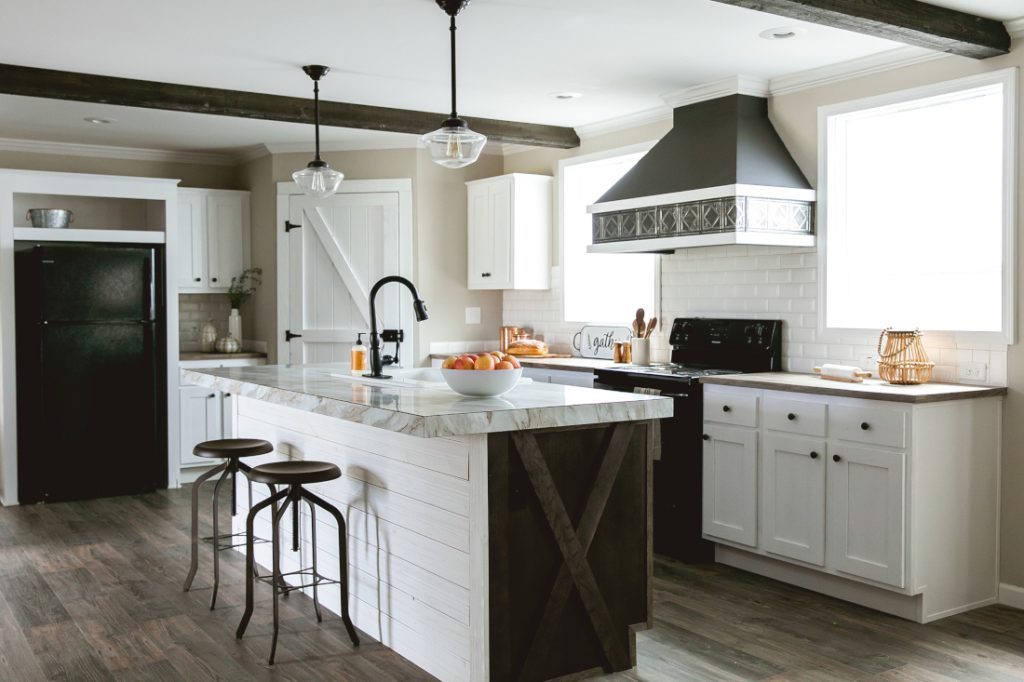
Modern Mobile Homes - Kitchen
Photo by Skyline Homes.

Do you dream of expansive floor plans? Are you the kind of homebuyer who always thinks big and wants a fully-equipped home that provides maximum comfort? If that sounds like you, then you should know about the options for quadruple wide mobile homes that are now available.

Quadruple wide mobile homes are the largest and most spacious type of mobile home, and many homebuyers who want more space are investigating these super-sized manufactured home floor plans. Let’s take a look at what quadruple wide mobile homes have to offer and how a homebuyer can learn about their options.

What Are Quadruple Wide Mobile Homes?

First, let’s review some terms that refer to mobile home sizes. Any type of manufactured home other than a single wide is known as a multi-section manufactured home. A quadruple wide mobile home is a multi-section home that has four sections.

A multi-section home is manufactured in two to four complete sections which are delivered to the home site via a manufactured home transport company. When the home sections arrive at the site, trained professional manufactured home installers will join them together at a seam called the marriage line. The marriage line is reinforced with gasketing that keeps moisture and debris out of the space between the home sections.

Quadruple wide homes offer more space for the homebuyer’s money than any other type of manufactured home. In addition, as we’re about to discuss, a quadruple wide mobile home is often packed with luxury features and design options.

What You’ll Find in a Quadruple Wide Mobile Home

A quadruple wide mobile home gives the homebuyer more of everything. You’ll get more space, more features, more bedrooms, more bathrooms, and more home in general. For a homebuyer who wants to maximize the value of their investment and live in a home with ample space, a quadruple wide mobile home can be a great buy.

Modern Mobile Homes - The Kinlock Falls by Winston Homebuilders

Today’s quadruple wide mobile home models often include features such as:

  • Elegant window designs that provide plenty of natural light, often including bay windows or picture windows
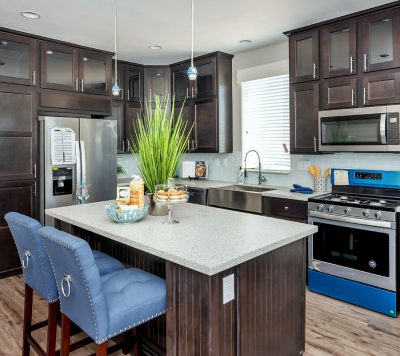
  • Contemporary kitchens that may include island counters, granite countertops, luxury appliances, and tile backsplashes
  • Open floor plans that create an airy, pleasant, and flowing ambiance for your home
  • A luxurious and appealing master bathroom suite with a full shower and tub
  • At least four bedrooms and two bathrooms, sometimes more
  • Multiple gathering spaces such as living rooms, family rooms, and media rooms
  • Outdoor attached structures such as porches, sunrooms, decks, and garages

Quadruple Wide Pricing

How much does the average quad wide cost? Well, according to recent mobile home pricing estimates, multi-section homes run around the $102,000-$103,000 range. Compared to other homes that fall into the multi-section category, given their large size, you may find quad wide trailer homes at slightly higher price points as well.

Quadruple Wide vs. Modular Home

Quadruple wides and modular homes are often confused. Both modular homes and quadruple wide mobile homes provide a great value for buyers, but it’s important to be aware of how the two differ.

The key difference is that a modular home is built to comply with state and local building codes. In a quadruple wide mobile home, on the other hand, each individual section of the home must conform to the HUD code, a federally enforced law that regulates the safety and quality of manufactured homes. Both modular homes and quadruple wides can provide a great housing solution and owners of quadruple wide mobile homes can rest assured that their homes are constructed to the same rigorous standard, regardless of which state or city they live in.

How Can I Get a Quadruple Wide Mobile Home?

Not every home manufacturer offers quadruple wide mobile homes. In some cases, a quadruple wide mobile home must be custom-built. This process is still usually much faster and less expensive than building a site-built home of comparable size, since a quadruple wide mobile home is built in highly controlled factory conditions and always assembled by professionals trained and certified to work with the specific building materials used.

quadruple wide mobile home floor plans

The best way to find a quadruple wide mobile home is to contact manufactured home dealers in your area. Ask your local manufactured home dealer whether they offer quadruple wide models or if it’s possible to have a quadruple wide mobile home custom built for you. Ordering a custom quadruple wide mobile home is also a great way to ensure that your home has all of the features and design elements that you want.
For more information on jumbo-sized manufactured homes, see our article examining some of the largest mobile homes, or read through our manufactured home buying checklist to learn what you should be looking for when buying a manufactured home of any size. To look at the largest options available in your state, use our mobile home floor plan listings and sort by “Largest to Smallest.”

Recommended: Check out these roomy 4 bedroom mobile homes

7 Resident Owned Mobile Home Parks in California

Summerland by the Sea resident owned mobile home park in CA

Sometimes, it’s possible to have the best of both worlds. That’s especially true when you live in a resident-owned mobile home park. These parks provide many of the benefits of living in a manufactured home community, but with the added perks of owning your own land. 

In a competitive real estate market like California, a resident-owned mobile home park can offer an ideal path to secure home and land ownership. These seven resident-owned mobile home parks in California have some of the nicest mobile homes for sale, and they offer a cost-effective way to own your own home and your own land in the vibrant culture and beautiful weather of the Golden State.

The Groves Resident Owned Mobile Home Park in California
The Groves mobile home park in Irvine, CA

1. The Groves – Irvine, CA

With modern amenities and a strong community, The Groves is among the best resident-owned mobile home parks in California. This 55+ community is built on 72 rolling, sunny acres in Irvine and includes all the amenities that make life sweeter, including a pool, fitness center, billiard room, bocce court, library, and much more.

With over 500 home sites, the Groves has plenty of elbow room for residents to stretch out and enjoy the famous California weather. Plus, it’s just a short mile and a half from the beach, making it easy to step out for some sun and fun at any time of the day.

Portola Country Club Resident Owned Mobile Home Park California
Vista Del Mar senior community in Vista, CA

2. Vista Del Mar – Vista, CA

Vista Del Mar is a senior community that’s designed to give its residents the best of coastal California living. Residents enjoy a relatively low HOA, but get a lot of bang for their buck. Amenities include tennis courts, a pool and social activities. The community is located in close proximity to Route 78, providing access to all the essential shopping conveniences while remaining close enough to the beach to enjoy the fresh sea breeze.

Portola Country Club Resident Owned Mobile Home Park in California
Portola Country Club 55+ community in Palm Desert, CA

3. Portola Country Club – Palm Desert, CA

At Portola Country Club, country club living has never been better or more affordable. Portola offers a true 55+ country club experience with amenities that include three pools and spas, a fitness center, tennis courts, a dog park, and more. And it’s a golfer’s paradise, with an 18-hole executive golf course and unlimited play included with membership.

Lake Jennings Resident Owned Mobile Home Park in California
Lake Jennings Park Estates mobile home park in Lakeside, CA

4. Lake Jennings Park Estates – Lakeside, CA

Nestled on a majestic mountain and with a stunning view of Lake Jennings, Lake Jennings Park Estates is an age-restricted community for those who enjoy natural beauty. It features a large and luxurious interior park, plus exciting amenities like a pool, spa, shuffleboard courts, game room, and even a craft center with pottery kilns. For a fun weekend out, several casinos are located within driving distance.

Summerland by the Sea resident owned mobile home park in CA
Summerland by the Sea all-age community in Santa Barbara, CA

5. Summerland by the Sea – Santa Barbara, CA

Those who want easy access to natural beauty will love Santa Barbara’s Summerland by the Sea community. This all-ages resident-owned community directly overlooks the Pacific Ocean and includes access to walking trails that crisscross the gorgeous local scenery. You’ll also find today’s most popular amenities on-site, including a pool and clubhouse. Summerland even boasts its own bar and grill, The Nugget, as well as a general store and deli where residents congregate to enjoy delicious food and drinks.

6. Cliffwood Estates – Soquel, CA

Cliffwood Estates is a 55 and up manufactured home community that thrives on its simplicity and community values. Located on a gently sloping hill in sunny Soquel, this relatively small 60-lot community is also close to a farmers market, a small college and local public transportation.

Stone Ridge Mobile Home Park in Warner Springs CA
Stone Ridge at Warner Springs Estates community in Warner Springs, CA

7. Stone Ridge at Warner Springs Estates – Warner Springs, CA

This peaceful 300-lot manufactured home community in Warner Springs is one of California’s premier 55+ communities. Residents enjoy a pool, library, entertainment-filled clubhouse, and much more. An attractive and relaxed architectural style makes Stone Ridge a true exemplar of the California experience, and within 30 minutes from shopping, theaters, and medical facilities in lovely Temecula.

Stone Ridge at Warner Springs Estates offers all of the goodness without the big city price tag.


Explore Thousands of Communities on MHVillage

California has a lot to offer, and so do its resident-owned mobile home parks. And remember that this is just the beginning. Don’t forget to explore MHVillage’s comprehensive selection of mobile home parks, with dozens of more options for resident-owned mobile home parks in California. Or, for another state where you can own your lot and have fun in the sun, check out some resident-owned mobile home parks in Florida.

Garage Options for Manufactured Homes

manufactured home garage options
Photo courtesy of Zeman Homes.

For many people, a garage is an essential part of a home. The garage helps keep a homeowner’s vehicle clean and safe, provides storage space, and can even be a space for working on personal projects.

Fortunately, manufactured homeowners have several options for getting a mobile home with a garage. In today’s article, we’ll discuss the ways to add a garage to a manufactured home and how to choose the most appropriate option for your home.

Manufactured Home Garage Options

The options for a manufactured home with a garage are typically as follows:

1. Pre-Attached Garage: In many manufactured home communities, home models with attached garages are available. This is the easiest way to get a garage for your manufactured home—by buying a home that already has a garage attached. Many home builders also offer garages as an optional add-on to their standard mobile home floor plans.

2. Detached Garage: Adding a detached garage to your property is a relatively simple and effective way to give your manufactured home a garage. A detached garage sits apart from your home on your property and can provide an independent space for working on projects. However, some homeowners prefer the look and convenience of an attached garage.

3. Attached Garage: Attaching a garage to a manufactured home is a more complex, time-consuming operation and may cost more than other options. However, when done right, this option will provide a great-looking and structurally sound garage that blends in with the rest of your manufactured home. Attached garages come in two styles: adjacent, in which the garage connects to the home but is actually a free-standing structure, and integrated, in which the garage shares a wall with the home.

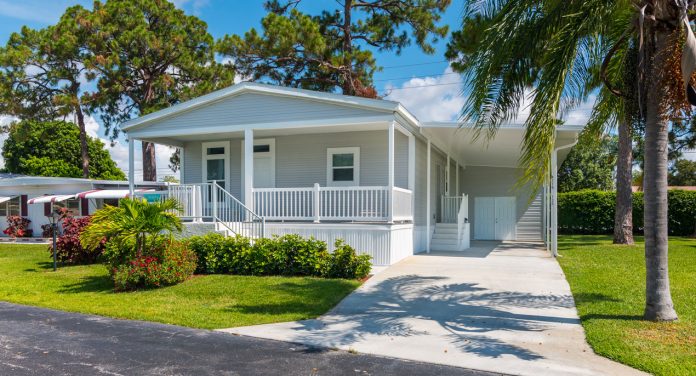
4. Carport: Adding a carport is another option that offers the best of both worlds. A carport is an awning over your driveway or another part of your yard that affords your vehicle some protection from the weather. Carports may or may not have walls.

manufactured homes mobile homes modular homes differences
Image courtesy of Equity Lifestyle Properties.

Each of these options has its advantages. So how should a homeowner determine which one is the right choice for their manufactured home?

Affiliate Link Below – MHVillage receives a small commission from the seller for purchases made through this link.

Choosing the Right Mobile Home Garage Option

The right garage option is one that meets the unique needs of your home and family, as well as obeying all relevant rules and laws. Take the following considerations into account when selecting your garage option:

  • First, know that your choice may be affected by local laws and community rules. If you live in a manufactured home community, read your land lease agreement and community rules for information about what kinds of structures you may or may not add to your home and which, if any, modifications you may make to the property.
  • In most jurisdictions, you’ll need a building permit to add any kind of garage, even if you own the land your home is on. Many places require a permit even for a carport. Most building contractors will handle the permit process for the homeowner as part of their services.
  • Whatever option you choose, it will need to be attached to a suitable foundation. Attached garages are only recommended for manufactured homes affixed to a permanent foundation such as a slab or basement, and most will require an expanded foundation to be laid for the garage. A detached garage requires a foundation (usually a poured slab), and even carports will usually need a concrete slab installed if there isn’t already a suitable concrete driveway present.garage options for manufactured homes
  • It’s typically best to have your garage or carport installed by a professional unless you have advanced carpentry skills and know-how to pour a concrete foundation. Simple carports can sometimes be installed by a homeowner with a little bit of DIY knowledge, but make sure to read the directions carefully.
  • If you’re having a garage added to an existing manufactured home, contact your manufactured home builder first to find out if they can add a garage to your home. The builder will have the most expertise on how to work with your specific model of home, and they may have siding and trim options that will match your home more closely.
  • Check with your home manufacturer to learn whether attaching a garage to your home will affect your warranty, as some warranties can be voided by attaching unauthorized structures.

MHVillage offers information that manufactured home owners need to choose, maintain, and improve their manufactured homes. Next, take a look at our article on easy mobile home improvements to increase your home’s value.

8 Interesting Facts About Manufactured Homes That You Probably Didn’t Know

Modern Mobile Homes - The Cambridge by Adventure Homes
Photo captured at the 2020 Louisville Manufactured Housing Show.

The manufactured housing industry is full of innovative products and produces new advances every year. However, due in part to outdated stereotypes that still sometimes persist, not everyone is familiar with the real facts about manufactured homes. That’s beginning to change, however, because there’s a quiet revolution going on in the prevalence and popularity of manufactured homes.

In today’s article, we’ll reveal some interesting facts about manufactured homes that many people don’t know. There’s a great deal to know about these attractive and economical homes, so educate yourself with these eight fascinating facts.

1. Manufactured homes are a popular and cost-effective housing solution.

Amid rising housing costs and economic hardships caused by the COVID-19 pandemic that have made site-built homes and apartments harder to afford, manufactured homes are providing housing solutions when and where they’re needed. Twenty-two million Americans now live in manufactured homes, and that number is trending upward as a full 10 percent of new single-family home starts are now manufactured homes.

When you look at the numbers, it’s easy to see why manufactured homes are popular. They cost, on average, just $53 per square foot, whereas site-built homes cost an average of $107 per square foot. Furthermore, as we’ll see, what homebuyers get for their money is just as good, if not better, than a site-built home.

2. When properly maintained, manufactured homes appreciate at a rate similar to site-built homes.

Purchase-Only graph on how manufactured homes appreciate

Because today’s manufactured homes are so well-built, they often actually maintain their value or appreciate at a rate similar to site-built homes. Research by the Federal Housing Finance Agency has found that home value trends for manufactured homes and site-built homes are relatively similar (assuming that a home is properly cared for and maintained), meaning that a manufactured home is a solid investment for many homebuyers.

3. Manufactured homes are regulated by the only federally-enforced building code.

The Manufactured Home Construction and Safety Standards, commonly known as the HUD code, is a federal law that regulates manufactured home building standards. Manufactured homes today are required to meet strict federal rules in critical areas such as:

  • Structural integrity
  • Fire resistance
  • Height and width
  • Energy efficiency
  • Transportability
  • Wind resistance
facts about manufactured homes
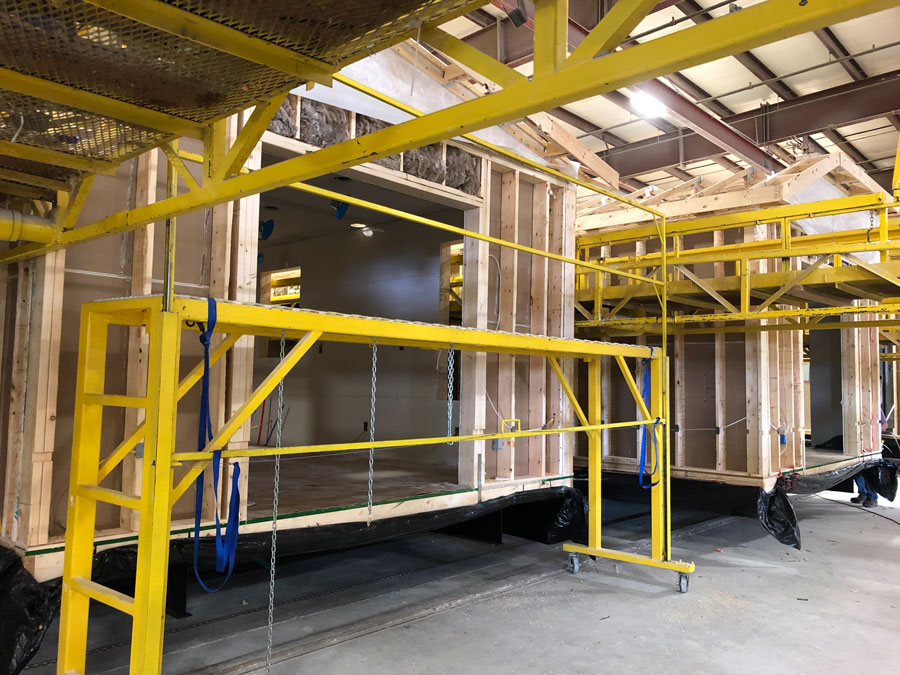
Two homes in the construction process at Clayton Middlebury.

These standards have made manufactured homes among the most reliable housing options for a safe and comfortable living space.

4. In most cases, “mobile home” is no longer an accurate term.

The term “mobile home” technically refers to homes built before the introduction of the HUD code in 1976. These homes were often moved frequently from place to place, but this practice is no longer common. Instead, manufactured homes are now typically delivered straight from the factory to the home site, where they remain permanently.

5. Millennials are increasingly enjoying the benefits of manufactured homes.

As millennials start their own families and begin to look for their own housing, they’re finding that manufactured homes are an attractive option. Many millennials want to put their future on a firm financial foundation by leaving behind renting for homeownership, and manufactured homes present a perfect opportunity to buy a great home at an affordable price.

6. Manufactured homes are increasingly placed on private land in addition to mobile home parks.

Living in a mobile home park can be a great experience and provide a fantastic community. But in today’s market, the prevalence of manufactured homes on private land is higher than it’s ever been. In fact, 66 percent of new manufactured homes are placed on privately owned lots. That means greater freedom for the homeowner to alter their home and land as they see fit.

7. Manufactured homes are just as durable as site-built homes (or more).

Manufactured homes are built using tough materials that stand up to the elements. Every manufactured home is constructed on a steel frame, which provides exceptional structural durability and helps keep the structure of the home sound during transportation and siting. Some manufactured homes are even built with 2×6 framing rather than the standard 2x4s used in site-built homes. Finally, according to one study, manufactured homes are actually superior to site-built homes in terms of fire safety, with up to 44 percent fewer fires reported in manufactured homes.

8. Manufactured homes often feature customization options.

Modern Mobile Homes bathroom
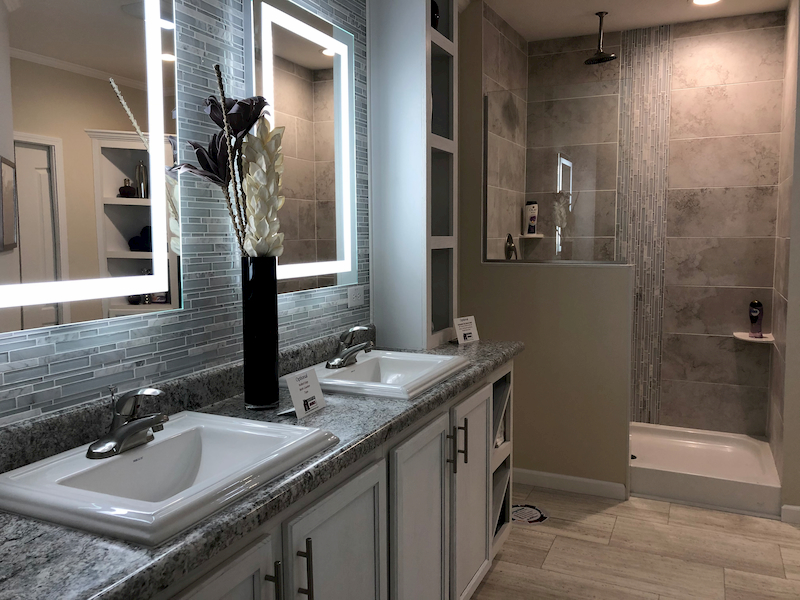
Photo captured at the 2020 Louisville Manufactured Housing Show.

Although they don’t allow the extensive customization possible with site-built homes, mobile home floor plans still often offer options for customizations. Frequent points of customization include:

  • Extra bedrooms and bathrooms
  • Home offices
  • Porches and garages
  • Expanded master bedroom or bathroom suites
  • Upgraded kitchen appliances

Interested in learning more facts about manufactured homes? Check out some recent manufactured home production stats, or take a look at MHVillage’s manufactured home buying guide for expert tips on how to find the best deal.

Buying a Double Wide Mobile Home

Buying a double wide mobile home
Photo courtesy of Tharakan Consulting

Double wide manufactured homes are among the most popular styles of affordable housing in America. These spacious and attractive homes are a great option for any stage of life, whether you’re a young family seeking a starter home, an empty-nester right-sizing your lifestyle or anyone else looking for a cost-effective way to own your own home.

How does buying a double-wide work, and what factors should double-wide buyers be aware of? In this article, we’ll discuss the key information that double wide manufactured home buyers need to know.

Double Wide Basics

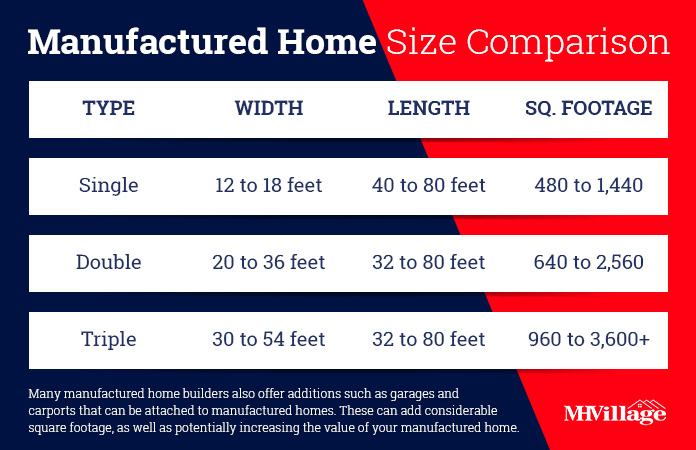
A single wide manufactured home has a typical width of 18 feet or less. However, many homebuyers need more space, which is why double wide manufactured homes are a popular size option. The size of a double wide home can vary, but will typically have a width between 20 and 36 feet. The square footage of a double-wide can range anywhere from 800 square feet to over 2,000 square feet in larger models.

Mobile home sizes chart

A double wide is manufactured in two sections, each approximately the size of a single wide manufactured home, that are designed to fit together. The sections are delivered separately and then bolted together during the setup process. The line at which the two homes are joined is called the marriage line, and it’s typically sealed with a durable gasket to keep it safe from moisture and dirt.

Why Buy a Double-Wide? 

There are many reasons why double wides have become a preferred housing solution for millions of homeowners, but most come down to getting more value for your money. Double wides are known for all of the following benefits:

  • Provide substantially more space than single wide manufactured homes 
  • Cost substantially less than site-built homes with comparable square footage 
  • Offer a much greater variety of mobile home floor plans than single wides  
  • Available all over the country 
  • Often include more bedrooms and bathrooms than single wides 
  • Give growing families the space they need 
  • Come in a wide variety of sizes to suit a variety of homeowner needs 
  • Often include desirable home features like fireplaces, bay windows, and skylights
double wide mobile home open layout
Open, spacious layout of a double wide

Finding the Perfect Double Wide

Today’s double wide buyers are increasingly finding their best options online. MHVillage has tens of thousands of double wide manufactured homes for sale, with an easy-to-use database that allows users to filter listings by state, city, bedrooms and bathrooms, price, and many other important factors.

Sell a Florida Mobile Home on MHVillage

Another way to find a great double wide is to look for manufactured home communities that fit your needs. Since double wides are a common type of manufactured home, it can be as easy as asking the sales agent for double wide options in your community of choice.

A double wide is a big investment just like any home purchase, so make sure to keep these important factors in mind when selecting one:

  • Decide first whether you want to buy a new or used double wide. Those looking for new mobile homes for sale should check MHVillage’s listings of mobile home floor plans near you.
  • Go into the buying process with a firm idea of how much you’re able to spend.
  • Get a professional appraisal and inspection on any used double wide you’re seriously considering. Ask the seller for appraisal and inspection records.
  • Avoid jumping at the first option you see. It’s better to shop around and compare options to find a double wide that checks all the boxes.

Financing a Double Wide Mobile Home

Several options are typically available for financing the purchase of a double wide:

  • If you’re buying a double wide on a permanent foundation on land that you will own, you may be able to obtain a traditional mortgage from a bank.
  • You and your family may qualify for certain government loans, such as VA loans or USDA Rural Development loans, that can be used to finance a double-wide.
  • Chattel mortgages are another type of financing that can be used to purchase a double-wide. These loans are used to purchase a home when the buyer intends to purchase only the home and pay rent on their lot.

If you’re purchasing a double-wide through a manufactured home dealer or through a manufactured home community, the dealer or agent will usually be able to recommend financing options.

MHVillage has the widest selection of double wides in America, thanks to our tens of thousands of manufactured home listings. Just visit our Mobile Homes for Sale page to browse our selection of double wide mobile homes. 

How to Paint Vinyl Mobile Home Walls

How to Paint Vinyl Mobile Home Walls

Painting the interior walls of a manufactured home is an excellent way to make the space yours and create a signature look for your home. The vinyl-on-gypsum (VOG) wall panels used in most manufactured homes can easily be painted, provided you know a little bit of key information.

Painting vinyl mobile home walls is one of the easiest mobile home upgrades that most homeowners can do on their own, and MHVillager will show you how in this handy guide. First, you’ll want to understand the basics of VOG board, the most popular material for mobile home walls.

Painting Mobile Home Walls

Vinyl-On-Gypsum Wall Panels

First, let’s review some key information about VOG panels. They’re made from sheets of vinyl applied to thin panels of gypsum board (commonly known as drywall). The vinyl sheets sometimes have wallpaper-like patterns printed on them. 

Painting vinyl-on-gypsum isn’t substantially different from painting drywall in most ways, but there are several key things to keep in mind:

  1. VOG walls can be damaged just like drywall, so use extra care at all points during the painting process and don’t sand your walls if possible.
  2. Typically, the seams of VOG panels will be covered by plastic strips called battens. It’s up to you whether or not to remove the battens.
  3. Choose high-quality paint and primer, as cheaper varieties tend to flake and provide uneven coverage on vinyl walls.

Choosing Your Color Scheme

Choosing Mobile Home Wall Colors

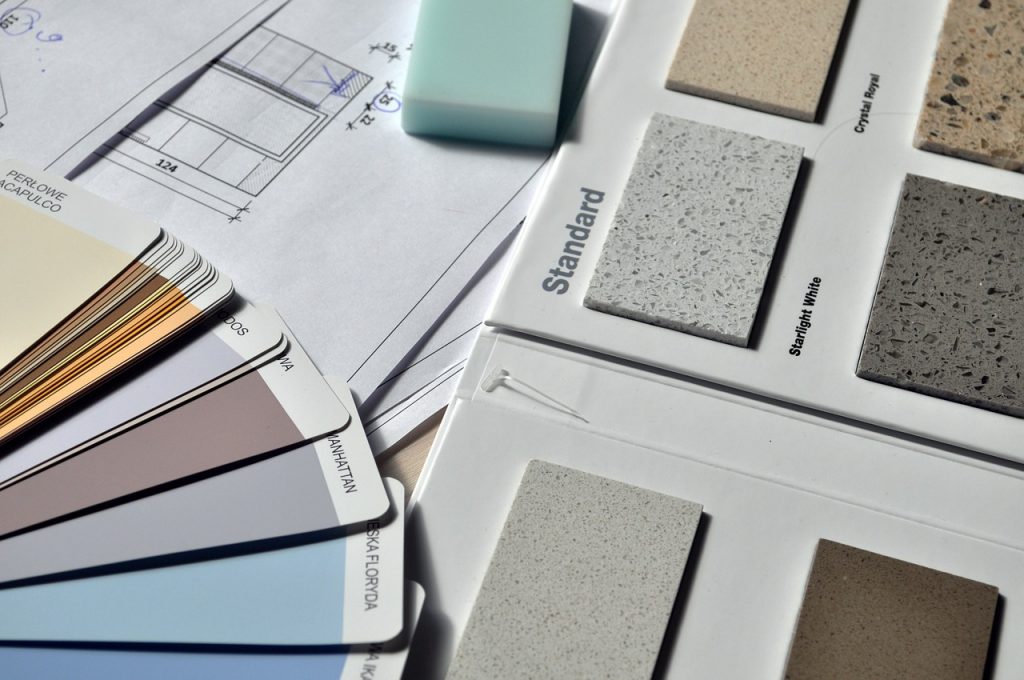
You’ll want to give some thought to your choice of colors before buying painting supplies. The old-fashioned way is to get some paint swatches from a hardware store and compare them, but many homeowners also like to use the paint visualizer apps offered by major paint manufacturers and hardware stores to get a more complete picture of how their new colors will look.

Supplies for Painting Mobile Home Walls

Mobile Home Painting Supplies

Before painting your walls, you’ll need to put together the right supplies. You should have:

  • Paintbrushes and rollers, including an angle brush
  • Paint
  • Primer
  • Drop cloths
  • Painter’s tape
  • Rags and sponges
  • Cleaning solution (dish soap will work) 

Once you’ve assembled the right supplies, it’s time to prep your walls.

Prepping Your Walls

How to Paint Vinyl Mobile Home Walls

Preparing your walls will make your paint job smoother and more durable. Here’s how to do it:

  1. Clean your walls thoroughly with your cleaning solution of choice. 
  2. Place drop cloths on your furniture and floors to protect them. 
  3. Apply painter’s tape to your walls’ trim and to the places where the wall meets the floor. 
  4. Use a roller to apply primer to your walls. Apply two coats of primer for the best results. 

Remember that sanding can damage your walls, so avoid it whenever possible. (You’ll have to do a small amount of it if you remove the battens.) 

You’ll need to decide whether or to remove the battens from your walls. Removing them can be a time-consuming process, but some homeowners prefer to paint without them. If you’re going to remove battens, make sure to read the next section, or skip it if you plan to leave them attached. 

Removing the Battens

A more even paint job is the biggest point in favor of removing your battens. Some homeowners also simply don’t like the way that battens look. However, removing battens can be time-consuming and requires the homeowner to tape and patch the wall seams with drywall compound. 

The basic process of removing the battens and filling the seams is as follows:

  1. Remove the battens from the walls using a putty knife, being careful not to damage the wall panels. 
  2. Use wall repair tape and drywall joint compound to cover and fill the seam between the panels.
  3. Very gently, use sandpaper to smooth down the mud once dried. 
  4. Paint the wall.

The Painting Process

How to Paint Vinyl Mobile Home Walls

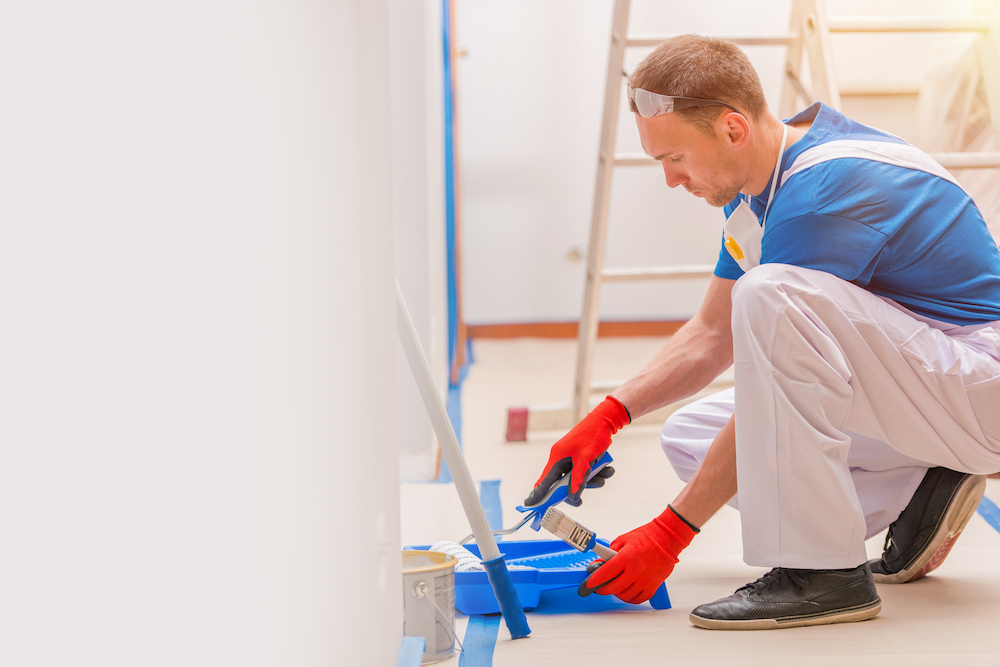
Once you’ve completed prepping your walls, it’s time to paint. Keep these tips in mind:

  • Apply at least two coats of paint to get more even and consistent coverage. 
  • Use gentle strokes with the roller to avoid damaging the walls. 
  • Grab your angle brush and use the technique of “cutting in edges” to get complete coverage in the nooks and crannies.

Finally, remove the painter’s tape, give your walls some time to dry and you’re done!

You’ll find more helpful tips for manufactured home maintenance and improvement on our MHVillager blog. Make sure to check out our articles on replacing manufactured home siding and easy mobile home upgrades to improve your home’s value.

EVENTS

Tour New Manufactured Home Models at the Novi Home & Garden Show, March 28...

If you live in or around Southeast Michigan, then your opportunity to tour the newest manufactured homes is here!The Novi Home & Garden Show,...

Visit The Novi Home Show and Tour Six New Model Homes, Oct. 11 –...

Heads up, Southeast Michigan! The Novi Home Show will host six stunning manufactured homes for public display at the Michigan Manufactured Housing Association (MMHA)...

Tour Six New Manufactured Homes at the Novi Home Show this Weekend, Oct. 7...

This weekend, October 7th through the 9th, 2022, is your opportunity to tour six model homes as part of the Manufactured Home Showcase.  The Showcase,...