Home Blog Page 26

How to Buy a Manufactured Home and Land Together

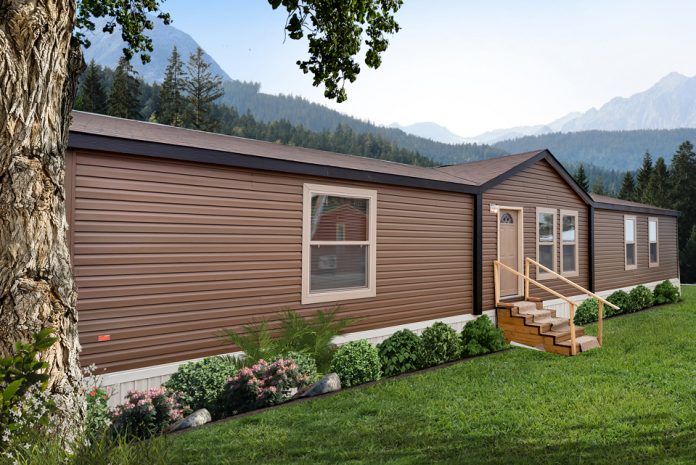
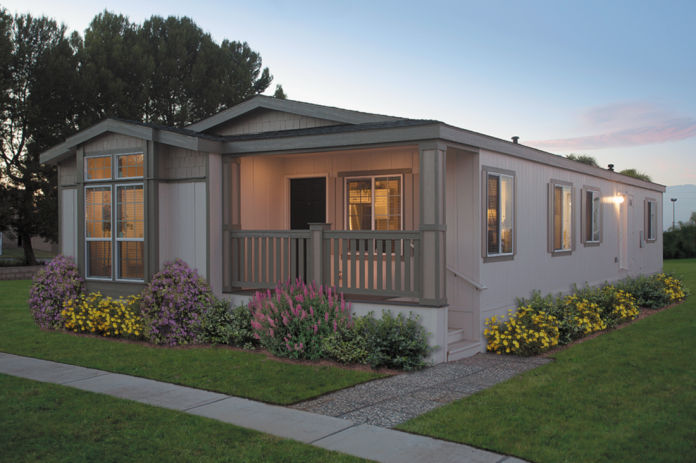
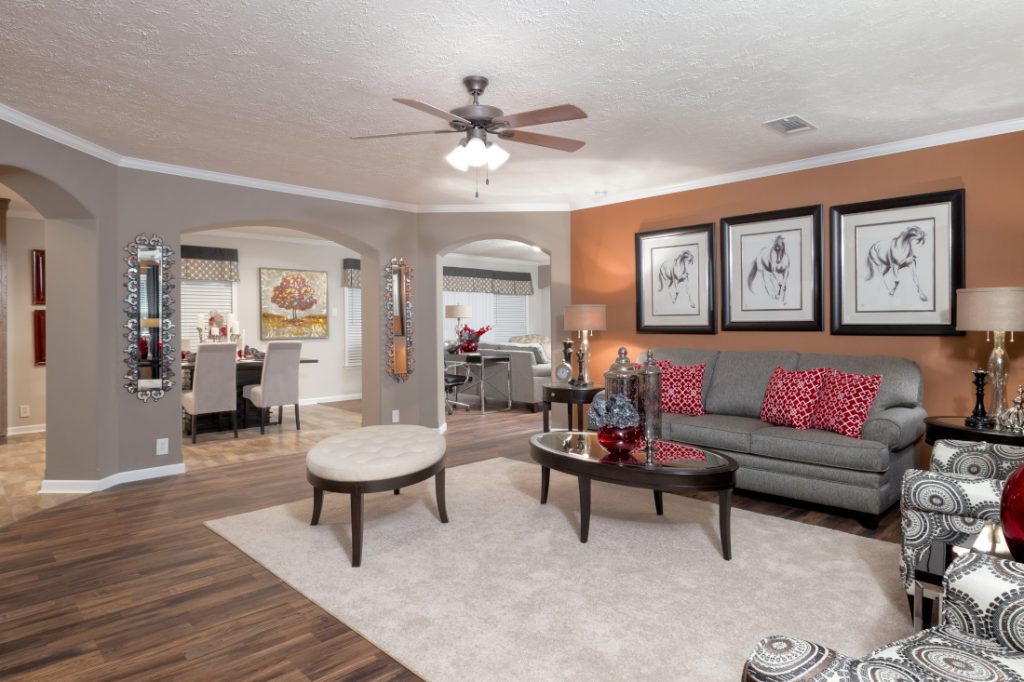
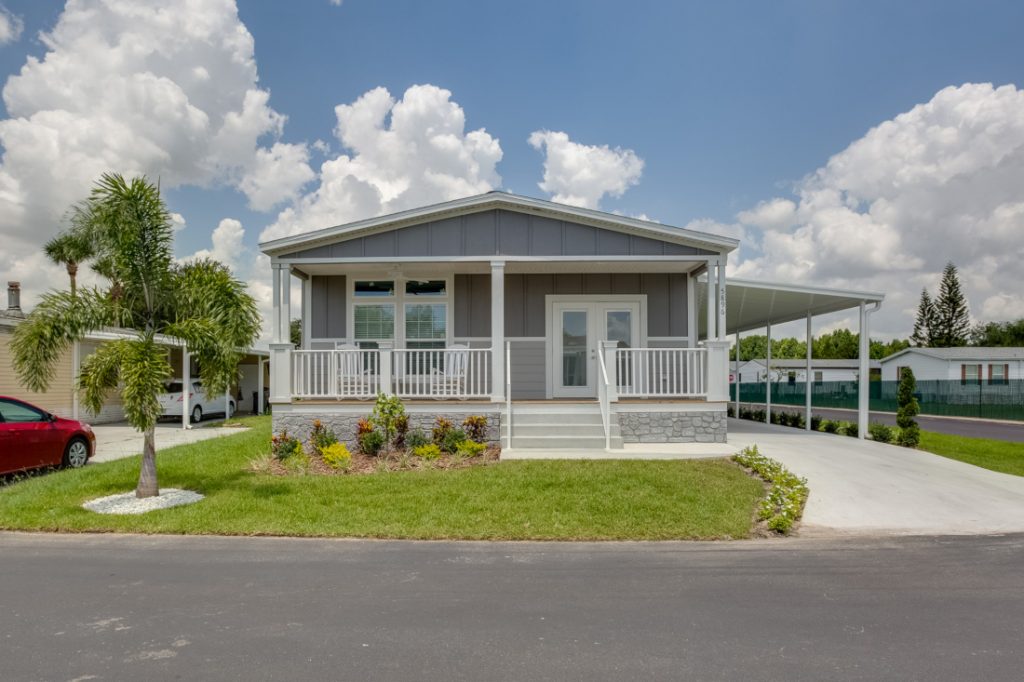
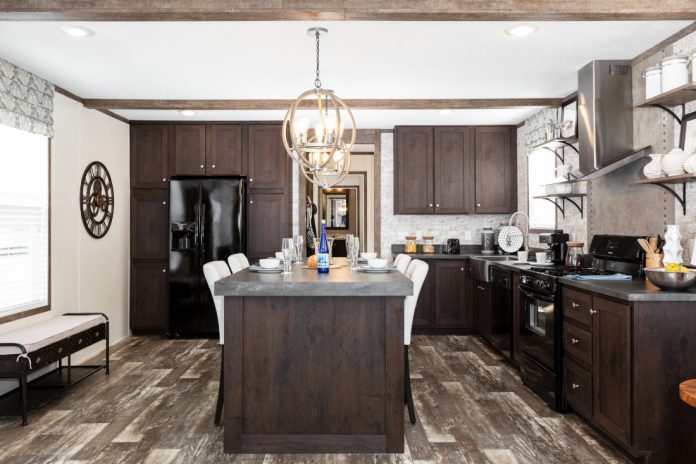
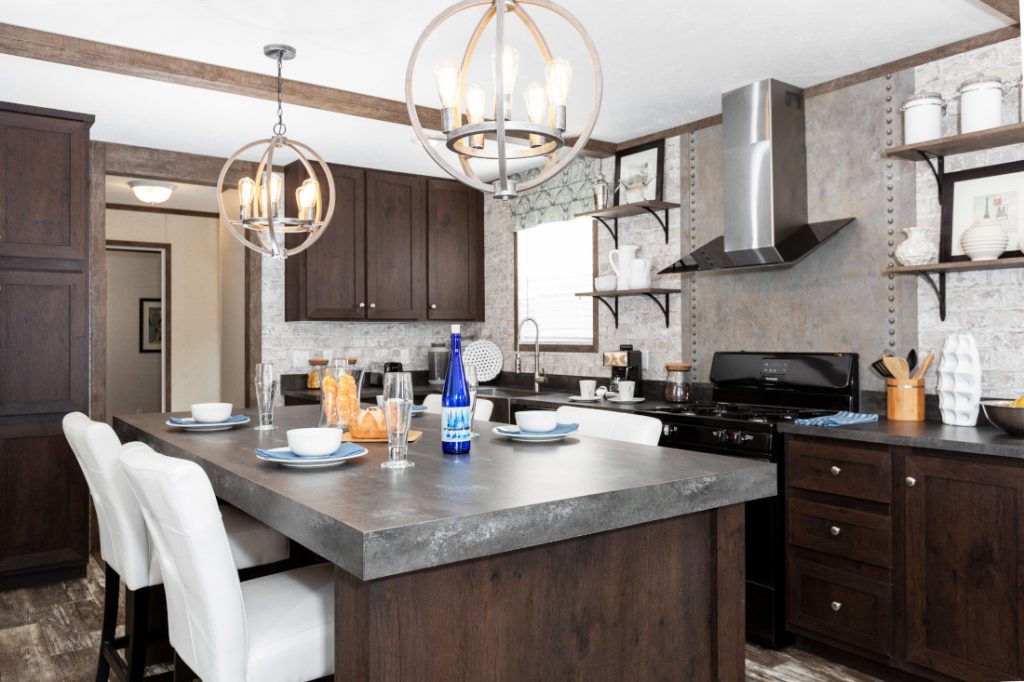
Legacy manufactured home and land
Photo courtesy of Legacy Housing.

Do you want to buy a new manufactured home and land together to save time and money on your next home purchase? You should be aware that there are a few different approaches and finance programs designed specifically for land-home purchases.

We will cover those topics and more in this blog post.

Buying a mobile home or manufactured home and land is simple once you understand how such deals are structured. It may seem like two transactions. However, it is possible to bundle the home and land together under a single loan or mortgage.

But planning and timing are important, as you will come to find out.

how to buy a manufactured home and land

Can I Buy Land and Put a Mobile Home on It?

Generally, the answer to this question is yes. In most cases you can put a mobile home on land you own. However, it is important to understand your local zoning laws before buying a piece of land you intend to put a manufactured home on. Some cities, townships and local governments have passed zoning laws that specifically prohibit manufactured homes within their jurisdiction.

Also, just like with any building project, you need to make sure the land you buy is suitable for residential buildings like mobile homes. For example, does the land contain protected wetland areas that cannot be built on? Are utilities accessible in that location? Does the land have any flooding issues that need to be considered? Are city water and sewer services available there, or has the land been tested to make sure a well and septic field can be installed? All of these questions and many more are important to consider before you purchase land for a mobile home.

Buying a Mobile Home and Land

If you want to buy a mobile home and the land, you most likely still need to begin the search by identifying each independently. Where do you want to live? What home should you put on that land? Unless you’re buying an existing home and the land where it’s already sited, you should begin your search with these two buckets in mind. As you get farther down the path, there are ways to bring the entities together, legally and financially.

Finding Land For Your Mobile Home

There are quite a few ways to go about searching for land for a manufactured home. Firstly, you know where you want to live, at least approximately. Maybe you hinge your decision on a school district, distance from work, or simply a part of the city or county that makes you feel at home.

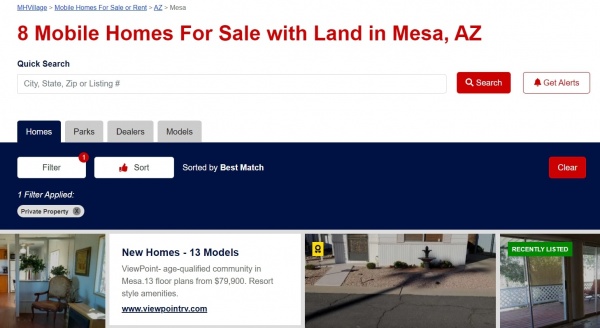
Updated: Search Manufactured Home and Land Packages on MHVillage.

On MHVillage, you can browse mobile homes for sale with land by city, county, or zip throughout the nation. If you’re interested in exploring, below are a handful of markets in different regions with available home and land listings.

Find manufactured homes on private land

Another efficient way to search available open land is to reference the area MLS. You may be able to browse listings of property acquired and cleared by the county, through a housing authority or county land bank.

You can hire a realtor, as well. Or, perhaps you’ve already started your home search. In that case, the owner or sales representative at your preferred manufactured home dealership or retailer can be a great resource on how to choose land for a mobile home. Topics your sales professional can cover might include the type of land you have in mind, existing infrastructure and added site prep that may be required. But don’t forget the old school approach to finding land for a manufactured home! Drive the area. Take your time, appreciate the neighborhoods or rural attributes you’re considering. Look for open parcels and land-for-sale signs.

Placing a Mobile Home on Land

Since we started with a discussion on the land – the actual real estate part of the purchase – we’ll stay here for a bit to talk about mobile home transport and delivery, site prep, home installation, and setup. If you’re looking at land in the county or a township, you may have to dig a well for water. Is the land connected to, or near public utilities? How much grading needs to be done? What kind of foundation will be used, and how will the home be anchored and tied? These are all questions that need to be asked and answered in preparation for putting a mobile or manufactured home on land. Each question mark comes with an untold investment in time and money. And, unfortunately, no one will be in a position to answer those questions until the land has been identified and surveyed.

Placing a mobile home on land
Photo courtesy of Clayton Homes.

How to Buy a Manufactured Home

Let’s start with how to buy a new manufactured home. Getting your new home built in a factory is one of the most satisfying things you will ever do. Do you want to personalize your home? If so, put your designer hat on and get started. You can go to a manufactured home dealer or retailer near you and tour different model homes, or you can get started by browsing floor plans on MHVillage. When you visit a dealer, your sales representative will walk through all the potential changes and upgrades available for each floor plan. In many cases, you can point and click your way to the ideal manufactured home for you. You can move a wall, choose stainless steel appliances, go with granite counters, install smart devices, heighten the roof pitch, build a bar, add a mudroom, put on a porch, or garage. The options are limitless.

On MHVillage, we do list new model homes with floor plans, home descriptions, photos, and, in many cases, you can take a virtual tour. There also is contact information for the Manufacturer or home seller. 

So, you get to design your own custom manufactured home. Some factories even have cameras set up so you can watch the construction of your home. You will save 30% or more compared with your new home’s site-built equivalent, and get the perfect new manufactured home for you.

How to Buy an Existing Manufactured Home

OK, you may have come to realize by now that MHVillage is the #1 marketplace for manufactured homes and mobile homes. We have more than 32,000 mobile homes for sale listed on our site. If you type into a search engine, like Google, “mobile home for sale in Denver”, or for a city or town of size near you, the top organic search result 99 out of 100 times will be an MHVillage listing page with a long list of homes you can consider. You can get all the information you need on a 2018 Legacy manufactured home for $125,000 or a 1996 Skyline for $40,000, both in Thornton, Colo.

Recommended: Check out the ultimate buying a mobile home checklist

However, there are a couple of circumstances to consider. About a third of the manufactured and mobile homes in the United States are located in manufactured home communities where you lease the land where your home sits. So, unless the property is a resident-owned community, you can buy the home but not the land. In addition, despite being called mobile homes, most homes purchased in parks are very difficult and expensive to move. So, they often stay in the community where they were placed because moving the home to a piece of land is too complicated and cost-prohibitive for most people.

If you do want to buy a home that will be moved to the land you’re purchasing, the home requires inspection before it can be loaded and moved and will be inspected again when it’s placed on a new foundation and considered for a loan. This is particularly detailed if you’re looking at a conventional mortgage.

What Kind of Loan Can I Get for a Mobile Home or Manufactured Home and Land?

Here’s the good news! There are an increasing number of loan types that cater to shoppers who want to buy a mobile home on private land. Fannie Mae (MH Advantage®) and Freddie Mac (CHOICEHome℠) have new lending programs for manufactured homes with particular home features that qualify for a conventional mortgage so the home can go into vacant parcels even inside city limits.

The most common way to bundle land and home finance together is with a land-home loan. Catchy, right? This allows you to get a conventional home loan for an existing manufactured home and the land it sits on. If you’re going with the new manufactured home, you might want to consider a construction-to-perm loan. This type of manufactured home loan creates a series of draws off the loan to pay for the home to be built, transported and set up. Once the home is placed and inspected, the loan converts to a permanent mortgage. Here is some more detailed information on different types of loans for mobile homes.

With that, we say “Happy House Hunting”, and we invite you to return for more information on manufactured and mobile homes. And, if there’s a question you have that we’re not answering, contact us so we can get on it!

The Ins and Outs of Mobile Home Insurance

Photo courtesy of Champion Homes.

What Does Mobile Home Insurance Cover?

Mobile and manufactured homes often fall into the same spectrum of personal property as boats and RVs. This creates an incongruity between the way that site-built homes and manufactured homes are insured. Mobile homes are evaluated differently from site-built homes. Land ownership typically is separate from the actual home.

There are a number of advantages to buying and insuring a mobile home. However, depending on where and how your home is situated, you’ll need to consider varying forms of coverage.

Structural Coverage

The physical structure is perhaps the most easily evaluated, yet important element of the insurance assessment. Retaining an insurance policy on the structure itself protects the owner from gross loss. This includes events like a house fire and significant weather damage.

An mobile home is generally considered a home that was constructed before 1976. Whereas, a manufactured home could be of similar structure, but have a later date of construction. Either option would be insured in a similar way, but a modular home may require a policy like a site-built home. 

Mobile homes may only require a Named Perils Policy where coverage is determined based on the type of damage sustained. This coverage typically is less expensive than other plans. But it is important that you check with your insurance agent to verify exactly what is included in your coverage plan.

Dwelling

Mobile homes are eligible for Dwelling Coverage, which insures attached structures such as porches, chimneys and garages. This can be especially useful for personal property storage, like in the case of an attached garage.

Say, for instance, your home is damaged by a fire. This is a risk and concern for many homeowners. But insurance for your manufactured home should cover the cost of the damage and any required replacements to structural elements.

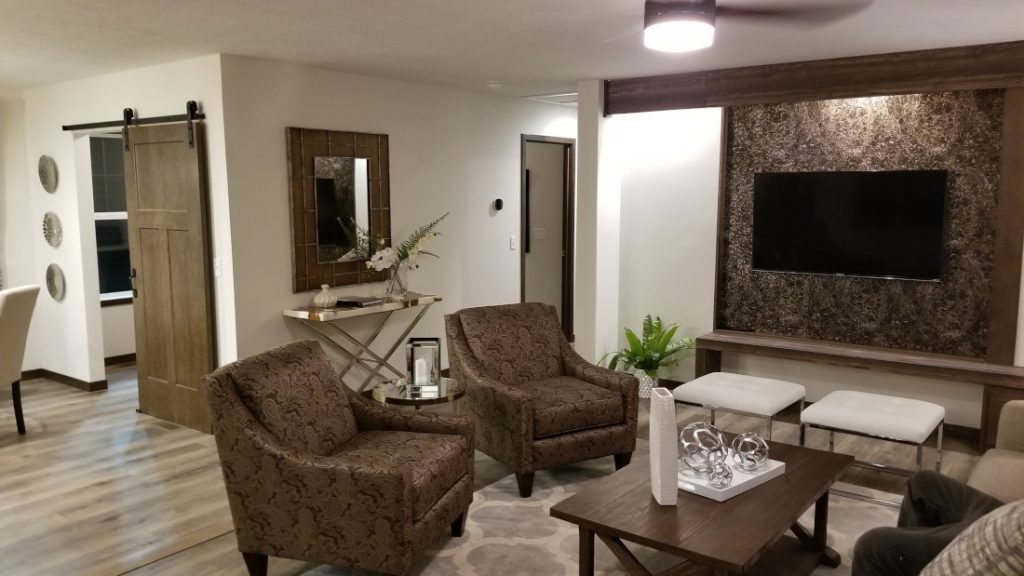
Living room possessions mobile home insurance

Personal Belongings

Furniture and electronics are protected with personal belonging coverage. It is essential to insure personal belongings, especially those of value like your TV or computer. 

The coverage can be considered by Actual Cash Value Coverage or Replacement Cost, meaning at actual cash value you will be reimbursed for the assessed value of the item considering age and condition. Replacement cost would evaluate the cost of an item at the time of the claim.

This is usually added to your initial policy based on a report of your assets. It can be especially helpful should your home sustain water damage, for example, that ruins belongings. While this mobile home insurance is not required, it can help you pay to replace the damaged items. 

Home decor mobile home insurance

Loss of Use

In the instance that your manufactured home sustains storm damage, and you need to evacuate the residence, Loss of Use insurance will make sure that you can pay for other accommodations. 

Should you lose the right to inhabit your home as a result of incurred damage, you may qualify for an insurance refund. This can also be referred to as additional living expenses because it covers meals and housing expenses if you are unable to live in your home.

Setting coverage limits for this particular variation is important because it will determine the amount that is afforded to you if something catastrophic happens and renders your home unlivable.

Home interior mobile home insurance
Photo courtesy of Champion Homes.

Liability

Another consideration while creating your mobile home insurance policy is liability. If you or someone who resides in your home causes damage to a neighboring home or your neighbor is injured on your property, Liability Coverage can help. This form of coverage typically includes damage to personal property and bodily harm.

Both medical expenses and replacement costs can be covered under mobile home liability insurance.

Office calculator mobile home insurance

How Much Does Mobile Home Insurance Cost?

There are a number of scenarios impact the cost of your mobile home insurance. You may be required by law to have extended coverage, depending on community or local regulations. With that in mind, determining your insurance plan can become a question of what is most necessary versus what is required of you. 

On the off chance that you’re faced with difficult decisions regarding your insurance, there are several things to consider before purchasing your policy.

Zip Code

The value of your mobile home may very well be determined by where your home is located. Certain cities will have a higher tax rate, and therefore value your mobile home at a higher price point. Take Chicago for instance, with a tax rate nearing 11%, you stand to pay a higher rate for insurance as your home is likely to be appraised at a higher value due to those tax considerations.

Replacement Cost

Another portion of the valuation process will include a detailed rundown of the materials, features, and the construction of your manufactured home. This process will help your insurance company determine the worth of your home, should it become uninhabitable or suffer significant structural damage.

Trip Collision

At some point, moving your mobile home may become a necessity. Making sure that you have coverage for that trip is essential. If your home is damaged in any way, Collision Insurance will provide you the coverage that you need to make any repairs or replacements to your home.

How Are Mobile Homes Built?

How are mobile homes built?
Cabinets and utilities placed on the partially completed floor of a new manufactured home from Fairmont Homes.

Let’s Answer Some Common Questions About How Mobile Homes Are Built – Anatomy of a Mobile Home

Mobile homes and manufactured homes are the most common form of unsubsidized affordable housing in the U.S. This is in part because of the cost-effective nature of indoor construction, in a factory on a conveyance system similar to automobile production.

What Are Mobile Homes Made Of?

The materials used in mobile home construction are the same as “traditional” or site-built homes. These materials include but are not limited to the following:

  • Lumber framing
  • Fiberglass insulation
  • Electrical wiring
  • PVC or chrome plumbing
  • Wood flooring
  • Other primary systems within the home

The difference is that these materials in a mobile home or manufactured home are ordered in bulk. A bulk order provides a discount for the homebuyer. And, all the materials are stored and put to use in a temperature-controlled climate. Having materials indoors ensures the quality and lifetime performance of the manufactured and mobile home construction materials.

Why is the Mobile Home Building Process Used?

Mobile homes became manufactured homes, by legal description, in 1976 when the U.S. Department of Housing and Urban Development began to ensure the safety of the homes, as well as the way they’re installed.

Today, manufactured homes continue to be among the most readily available, affordable homes on the market. Manufactured homes also are among the most highly inspected form of residential dwelling, ensuring high quality and safety marks for buyers. In addition, manufactured home builders have earned a reputation for being early adopters of energy-efficiency initiatives and infused technology. Think hard-wired smoke detectors, smart thermostats, and doorbell cameras.

Can Mobile Home Construction Be Customized?

If you are a homebuyer who is interested in new, upscale manufactured homes, you likely will begin to notice you’re in a very favorable position. Manufactured home buyers already get more home for the dollar, and there are a great variety of floor plans to choose from. Add to that, a buyer looking at a new manufactured home can modify or customize the floor plan. If you ask that a wall is moved or counter heights are changed, there is a high likelihood the builder can accommodate the request at a reasonable cost. Do you want a small office in the third bedroom? Or a dog bath in the rear mudroom? Consider it done.

Details on the Manufactured Home Building Process

Chassis Fairmont Homes Mobile Home Construction
The chassis for a new manufactured home is rolled into the Fairmont Home plant.

Now that we have the high-level questions out of the way, let’s dig down a bit into the actual process of what happens in the factory during mobile home construction. We’ll go in a station-to-station description of the manufactured home building process, including mobile home framing, mobile flooring, roofing, and finishes.

1. The Manufactured Home/Mobile Home Chassis

Every manufactured home has a chassis, or steel sub-floor frame. The beams and connecting “cross members”, as well as outriggers, of the chassis are welded steel. The chassis also incorporates a removable hitch, axles, and wheels. The chassis is the rigid foundational frame for the home. Most often, the hitch, axles, and wheels are removed upon mobile home delivery and installation to make way for siding and skirting. If the home is to be moved, the axles and wheels are re-attached.

Fairmont Homes flooring mobile home construction
The floor is constructed, insulated and fully wired before subfloor sheet wood is applied for a new Fairmont home.

2. Mobile Home Floor Construction

The wood frame floor of a manufactured home most often consists of wood composite or sheet plywood decking on floor joists with 2×4” or 2×6” connectors spaced 16-inches apart on center. The floor system in a manufactured home must meet rigidity inspection requirements by HUD. This applies to the safe transport of the home, and for the quality experience manufactured home owners expect. Dimensions of a manufactured home’s floor system need to remain within an 8-foot width. The floor typically is between 40- and 76-feet in length. Of course, a blanket of fiberglass insulation goes into the mobile home floor.

3. Mobile Home Wall Construction

Fairmont Homes Mobile Home Construction interior walls
Interior walls for a new home await placement as the home rolls down the line.

Mobile home and manufactured home walls are constructed with 2×4 wall studs. They’re inset on the floor with dado cuts that securely join the floor and walls. The walls get a 1×4” top and bottom plate, as well as fire-rated interior paneling and often metal anchor bonding times for added rigidity. Fiberglass insulation is used between studs. Each of the tied-in structural components leads to a “unified construction” effort to ensure a durable residential structure.

4. Mobile Home Roof Construction

Manufactured home or mobile home roof construction uses a gusseted truss and plate system that binds each component together and integrates as a whole with the unified floor and wall systems for a full shell for the home. Again, energy-efficient insulation is used in the roof. In addition, a vapor barrier is placed in the ceiling to prevent condensation. Decorative ceiling board and often a one-piece galvanized steel exterior roof is used to complete the system.

Ceiling Fairmont Homes Mobile Home Construction
A ceiling is painted before being placed before the roof is placed on a new Fairmont Homes manufactured home.

5. Mobile Home Windows and Doors

Windows and doors are inspected to ensure they meet fire and safety codes. Within this, each sleeping area in the home requires an “egress” window. If you’re interested in increased energy efficiency, most new manufactured homes come with options for storm windows and/or upgrades to performance glass that limits the energy exchange between indoor and outdoor conditions.

6. Exterior Walls and Siding for Manufactured Homes

Manufactured homes use interior wall paneling or drywall, and the exterior typically is composed of prefinished aluminum siding with baked-on enamel treatment. However, as is the case with many of the structural materials and most of the finishing materials, you can exercise your personal preferences. Just as you can request granite countertops, a request can be made to use vinyl or wood composite exterior siding. 

7. Plumbing, Electrical and HVAC Systems in a Manufactured Home

The Manufactured Home Construction and Safety Standards carry strict requirements for major systems within a new manufactured home, just as it does for flooring and roofing. All plumbing, electrical, and HVAC systems are inspected for quality and performance standards by the federal government.

Fairmont Homes interior finishes Mobile Home Construction
Interior finishes are underway in a new Fairmont Home.

8. Interior Finishes to a Manufactured or Mobile Home

Now you have an understanding of mobile home construction. It happens every day, station-by-station in a factory not far from where you want your home delivered. At the end of the manufacturer’s line, the home will sit and cure for a day or more as in-house inspections on paint, kickboard and moldings, interior hardware, carpeting appliances, and all else are installed and inspected.

What is considered a permanent foundation for a mobile home?

The permanent foundation for a mobile or manufactured home is made of durable construction materials such as the following:

  • Clay concrete
  • Fly ash concrete
  • Mortared masonry
  • Treated wood

The foundation has attachment points to anchor to assure stability against the movement of underground soil or rock. All new foundations must be approved by a local certified inspector.

Why Should You Consider a Manufactured Home?

Today’s manufactured homes are built with a high level of detail toward construction integrity. Builders begin and end the process of mobile home construction with the daily comforts of the new homeowner in mind. Each home is expertly constructed, shielded from the inclement weather that is a burden for site-built structures, and brought to you with practical accommodations and a very friendly price tag.

The Benefits of a Mobile Home Retirement Community

happy retirement community couple

Find A 55+ Retirement Community Near You

When considering your retirement lifestyle, you may think about leisurely afternoon activities, daily social events or maybe a little extra help for things like cleaning the house and tending to the yard. You may think that to achieve this you must relocate or get on the waitlist for some local independent living center. But, in reality, this convenient, retirement community lifestyle is available throughout the U.S. at a great price with senior mobile home parks. Most likely, there’s one near you and in your budget.

The many benefits of living in a retirement community appeal to many adults, whether single, married or living with a friend. There are many of these beautiful 55+ communities that cater to a variety of individual preferences. Some are on the water, others cater to golfers, and others have miles of trails, civic outings and whatever else you may imagine.

Here are a few of the biggest draws for retirees looking to settle into a safe, comfortable life in a 55+ retirement community.

golfer enjoying costal view

A Built-In Social Scene

Want to move to a place where you are automatically entering a group of likeminded adults, where organized clubs and social outings are abundant? It doesn’t take reaching retirement age to understand that a vital ingredient to physical and mental health is regular, highly regarded social involvement. Study after study shows a big, beneficial connection between aging and socializing. If you want to exercise with friends or dream of joining a supper club, there’s a good chance you’ll find it.

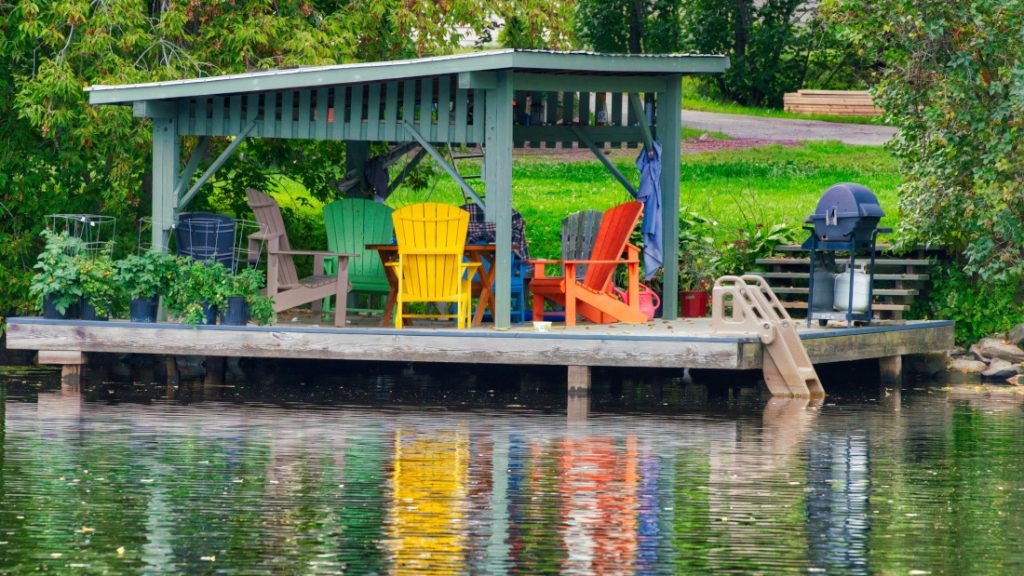
Waterside Deck Retirement Community

Recreation in Your Backyard

In addition to socializing, you can benefit greatly from daily exercise. Though only one in four seniors exercises regularly, this population as much as any needs regular exercise. When you browse the many mobile homes for sale on our website, you’ll see retirement community amenities that include pools, tennis courts, and shuffleboard courts that help keep residents active.

A Low-Maintenance Lifestyle

The common areas of a retirement community — the front gate, community gardens, walking and recreation paths — will be maintained for you at no added cost. In addition, many retirement communities offer upgrade packages for mowing, weeding and other lawn maintenance on the property surrounding your home. Note that homes are designed to be easily maintained, with affordable, uniform parts you can order in minutes. And a smaller abode means less to maintain, less to decorate, furnish and worry about in general.

selling a mobile home exterior retirement community

No Apartment-Dwelling Woes

When you live in a manufactured home community, you rent or buy a residence of your own.  You don’t share walls with neighbors and have a private yard to use. In condos and apartments, the close proximity to neighbors often means unwanted noise and less privacy. It may also mean no designated parking space, no patio, porch or garden. Mobile homes provide a great amount of independence and privacy. A mobile home retirement community provides the best of both worlds. It gives residents the privacy of a residential home with the lower maintenance and social components of apartment or condo living. Yet, it’s more affordable than both.

Accessibility Is Given

Mobile homes generally are single-story and easily can take an access ramp or modified entry. If you have your eyes set on a new manufactured home floor plan you can have it designed with easy entry showers and tubs, for instance, and lower the height of kitchen and washroom surfaces. It’s nothing more than a conversation with your retailer if modified entry, access and adaptability requirements are what you need to be able to settle into your ideal mobile home.

Woman on a trail retirement community

Search Mobile Homes in Retirement Communities for Retirees

As you can see, relocating to a manufactured home community will help you make the most out of your retirement years so you can soak up every second and worry less. Ready to see what’s out there? Search age-restricted mobile home communities in your area to see what’s available. Or just browse mobile home parks by state on MHVillage. There are retirement communities everywhere you look. Whether your goal is to gain a new group of friends, to become more active, or to eliminate daily household maintenance, you’ll be glad you chose the mobile home lifestyle.

Modular Homes for Vacant Inner-City Parcels Create Affordable Solution

new modular home in Romulus
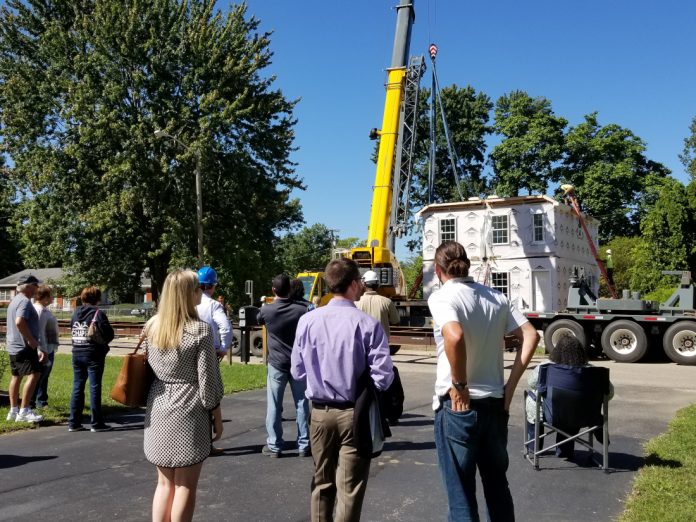
Romulus residents watch a new modular home installation in their neighborhood.

Partnership Brings New Modular Homes to Romulus, Mich.

If you’re looking to buy a new home in Michigan, you may be surprised to learn that there increasingly are more options in neighborhoods near you.

There is an expanding modular infill program led by Champion Homes, a new commercial developer, and local municipalities. The program places new, affordable modular homes on vacant parcels within cities.

Modular home installation
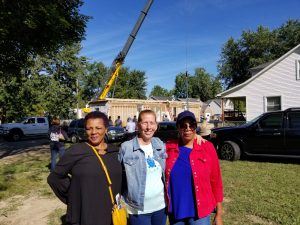
From left, Romulus Councilwoman Virginia Williams, resident Debbie Hopkins and Councilwoman Eva Webb came out to watch the home installation.

“I just had to come out and see how this is done,” said Debbie Hopkins, a Romulus resident. “It is so fascinating. I live in the neighborhood. It’s really nice to see a home like this come in and improve the neighborhood. It’s so welcomed.”

The home at 11100 Wahrman Street is a single-family residence with three bedrooms and 1.5 baths.

The Madison is the model name for the home, which has 1,556 square feet of interior living space.

The home is being finished and the property landscaped so it can be listed and sold. 

“Rooftops are good things,” Romulus Mayor LeRoy Burcroff said. “Any time you’re putting families in homes, you have to feel good about that. And we like the commercial and industrial, too, that provides jobs for the family that will live here. It all works together and this is a valuable part of the mix.”

“The home fits in very well, it has a poured foundation and basement, and it’s brand new,” the mayor said. “This is exactly what we need.”

How A New Home Helps Build Community

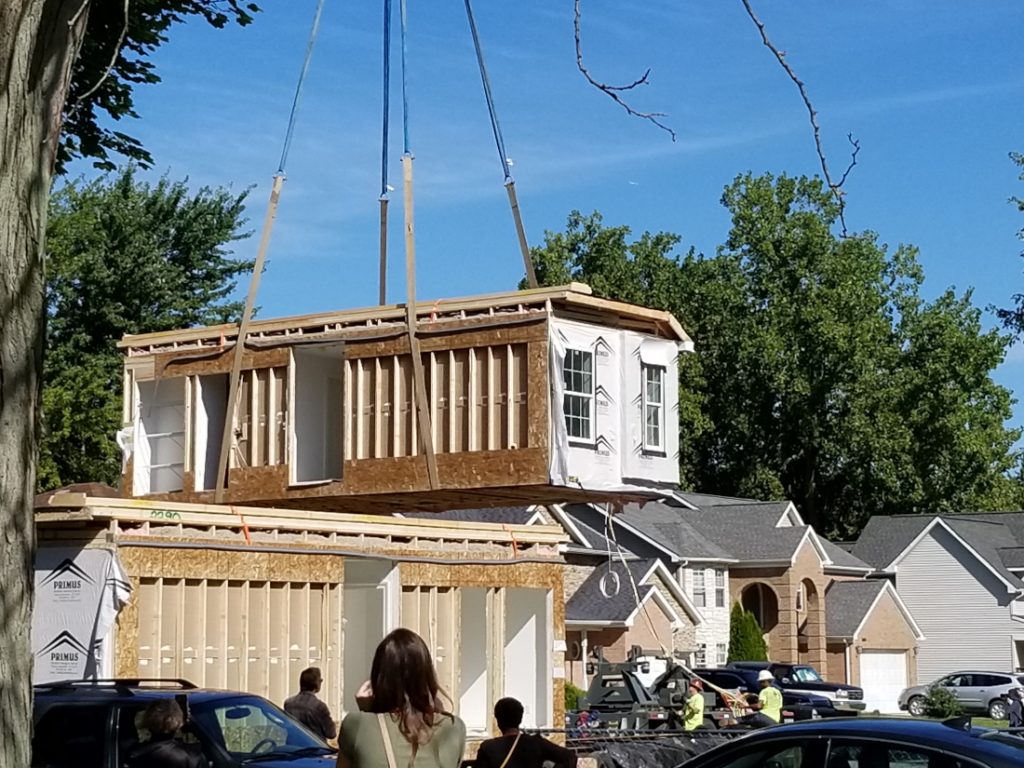
Area residents and city officials watched in awe as huge sections of the new modular home were lifted from the back of a truck and set in place.

The installation team set up a tent to provide shade, cold water, and sandwich and chips lunch for the neighborhood.

“This type of construction will bring families together, bring in people who grew up in Romulus, give them a place to come home,” Romulus City Councilwoman Eva Webb said. “This is a great neighborhood, we just have to let more people know about what we’re doing here.”

new Romulus modular home lifted and set
One of the four modules for the new Romulus home is lifted into place.

A Modular Home from Champion

The new modular home in Romulus is built by Champion Homes at a plant in Pennsylvania. The Troy-based builder transported the home in modules. It was crane-lifted and assembled on site. The construction and delivery process for this type reduces the price for homebuyers. A modular home will be sold for about 40% less than the comparable site-built home with the same design and construction materials.

Champion Homes works with InnovaLab, a modular developer based in Grand Rapids, to bring new, affordable modular homes to empty parcels within the city. A half dozen of those homes have been set or are in the planning stages, according to David Allen, who leads the effort for InnovaLab. The State Land Bank Authority has entered an agreement to bring the modular program to other communities.

Romulus modular apex development group
From left, Romulus developers Aaron Suzore, Omar Abdallah and Braden Russow of Apex Development Group.

Champion, InnovaLab and the land bank selected 15 home models that are eligible for placement on existing developed parcels.

Working With Local Governments

Apex Development Group is run by Aaron Suzore, Braden Russow and Omar Abdallah, which purchased the Romulus property and home. The group will list the modular home for sale with guidance from InnovaLab.

The home will receive a front porch, railings and walkup before being listed.

“We worked with the city and the downtown development authority hand-in-hand all of the way, and it has been a really amazing process. The local government has been a great partner throughout, and we’re looking forward to getting more homes where they’re needed,” Suzore said.

“We cleared this parcel 33 days ago, got a foundation in with a basement and today the home is in within four hours. We’ll do a walkthrough this afternoon,” he said. “I’m looking forward, hopefully in just a few weeks, to handing over the keys and saying ‘Here’s your new home’. That’s really why we’re doing this.”

new modular home roof pitch
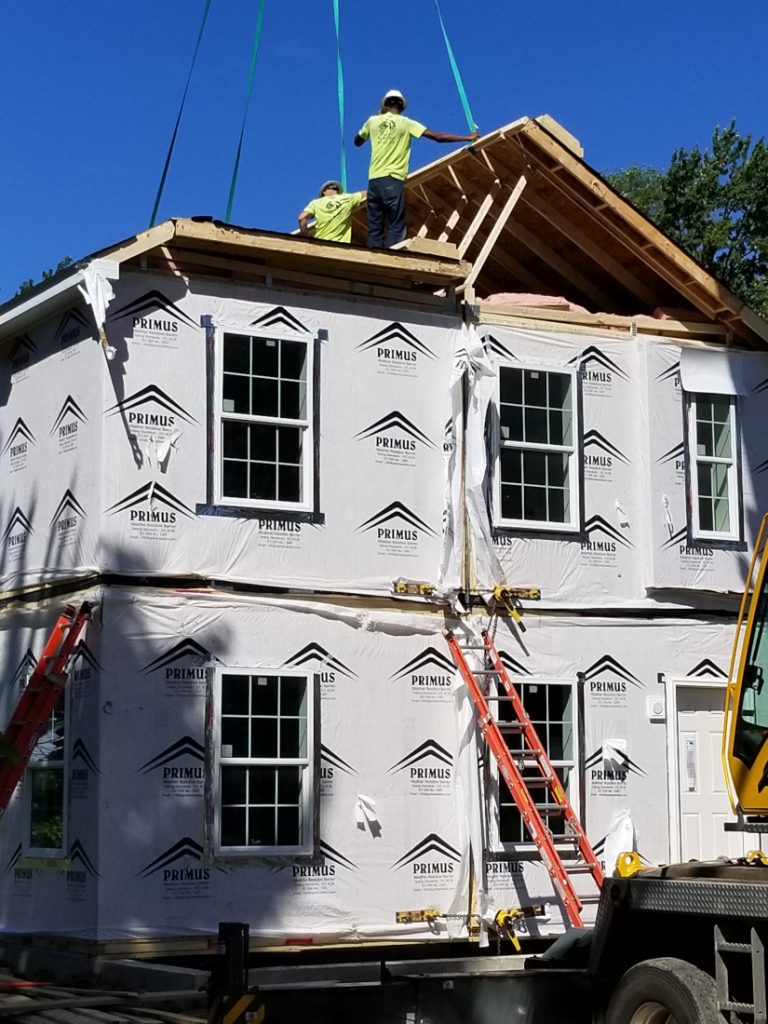
Home installers lift the pitched roof into place before beginning the interior finishes.

Manufactured Home Showcase at Novi Home Show Oct. 11-13

Clayton at Novi Home Show
The new Clayton American model on display at the Manufactured Home Showcase at the Novi Home Show.

Novi Home Show to Include 5 New Manufactured Homes

The Novi Home Show, Oct. 11-13, will include five new, fully-decorated manufactured homes from some of the nation’s top builders.

Whether you’re looking for a new home or embarking on a home improvement project, The Novi Home Show serves as a one-stop destination for products and services in a variety of areas including maintenance and upgrade, technology, home decor, landscaping, gardening and more.

The show will take place at Suburban Collection Showplace, 46100 Grand River, Novi, Mich. Hours are from 2 to 8 p.m. Friday, 10 a.m. to 8 p.m. Saturday and 10 a.m. to 5 p.m. Sunday.

Clayton home at Novi Home Show
Clayton American loft kitchen

Tour New Model Homes in Novi

New manufactured home floor plans presented by top manufacturers and community owners will be on display and open for tours each day of the show. Representatives from each of the companies will be on hand to talk about the details of each home and answer questions.

Home Models on Display Include:

  • Athens Park Model by Champion (presented by Sun Communities)
  • Dutch Diamond by Champion (presented by Augusta Woods)
  • Redman Advantage by Champion (presented by Sun Communities)
  • The American Loft by Clayton Homes (presented by Meritus Communities)
  • The Stoneleigh by Skyline Homes (presented by AJR Communities)

“The Manufactured Home Showcase offers people an opportunity to see first-hand the affordability, design, stability and roominess that a manufactured home can offer,” said Darren Ing, director of the Michigan Manufactured Housing Association. “It’s great to hear the responses people have when they see these gorgeous homes with their open floor plans and high-end finishes.”
Each home is furnished and features open floor plans, beautiful kitchens and awe-inspiring master baths. Representatives at the show also can talk with attendees about other floorplans and custom homes as well.

The manufactured home sizes from 399 to 2,280 square feet range in price from $54,900 to $139,995.

The Novi Home Show and Manufactured Home Showcase are open to the public. Entry is $10 for attendees 13 years and older. Attendees 55 years and older enter for $9. Children 12 and under enter free of charge.

Promotional discount pricing begins with “$5 after 5 p.m.” on both Friday and Saturday.

How to Select the Right Floor Plan for Your New Manufactured Home

selecting the right floor plan manufactured home
Floor plan courtesy of Champion Homes, Innovations HE3272 model.

Once you make the decision to buy a manufactured home, you still have some big choices to make … including selecting the right floor plan.

From the size and shape, to where the rooms are located, selecting the right mobile home floor plan can affect how you experience your new home. The Michigan Manufactured Housing Association has compiled five tips to help you choose the right floor plan for your new home.

1. Decide what size of home will best suit your family

Selecting the right floor plan should start with what size home will fit your lifestyle. Assess how many bedrooms are essential for children, if you need extra space for guests, or if you require a large kitchen for family meals. Manufactured home floor plans come in a wide variety of sizes, with popular options ranging from 1,400 to 2,000 square feet, and from two to four bedrooms.

2. Make your decision based on the layout, not the finishes

You’ll likely be touring model manufactured homes before you make your floor plan choices. Ensure you are basing your decision on how the home flows and might function for your daily activities. It’s hard to not be wowed by the upgraded floors, countertops, and furniture in the model home, but try to imagine the home in a “stripped down” state. Then, once you select your floor plan, you can make finish decisions based on the models that you loved.

3. Ask your sales consultant for guidance

While you may know what you want in your next home, a manufactured home sales consultant in your selected community could help you with additional considerations. He or she may provide advice related to energy-saving features, anticipated utility costs, or even common maintenance.

4. Know your budget limits before selecting a floor plan

Before getting your heart set on one floor plan, know what the costs are associated with the home. Have your finances in order and stay within what you can comfortably afford. Ask your sales consultant to break down costs as you narrow down to the floor plan that fits within your budget.

5. Determine if you will keep existing or buy new furniture

While you may only be thinking about the rooms and layout of your floor plan, choosing furniture is a major investment. If you decide to use your current furniture in your next home, ensure you measure it and take this into account when reviewing plans.

Above all, trust your instincts. You have the ability to “feel” when a space feels comfortable. Take these instincts into consideration when looking at different manufactured homes. You may be surprised by how many custom manufactured home options you will have. Listen to what speaks to you.

For more information about the 300+ member communities and home sellers in Michigan, visit the Michigan Manufactured Housing Association at www.michhome.org.

Should You Buy a New or Used Mobile Home?

buy used mobile home or new?
Photo courtesy of Zeman Homes.

If you’ve decided to adopt the mobile home lifestyle, you’re already well on your way to happy, low-maintenance living, but there are still a few things to consider. Do you want to live in a community, or on private land? And do you want to purchase a used mobile home or buy a brand-new home? 

The Pros and Cons of New vs Used Mobile Homes

Today, we’re going to revisit some mobile home pros and cons to help ensure that you have all the details before you settle on a new or used mobile home.

Buying New

If the budget isn’t the biggest concern on your list, then purchasing a new factory-built home is definitely worth your consideration. With a new model, you get more control of the home’s design, layout, and final location, but it will come at a cost.
Pro #1: Customization

Buying new means that you get to completely customize your mobile home. The design, finishes, and layout of your mobile home will be handpicked by you and nobody else, ensuring total satisfaction.
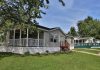
Pro #2: Park Selection

When you buy new, you have a lot of community options to choose from. You can be very selective when exploring mobile home parks, as long as they have available space for your home. By eliminating focus on the home itself, you can pick a park with the ideal amenities for your lifestyle, including pools, nature and social activities.

Pro #3: Less Maintenance

In theory, a fresh-from-the-factory home will have newer, nicer finishes that are less likely to break or need attention. It should also have more eco-friendly features, such as energy-efficient windows and doors, insulated skirting, a geothermal heat pump, or solar power, for instance.
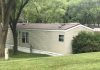
Con #1: Cost

Naturally, purchasing a new mobile home will cost you more than buying an existing home from a private seller. If budget is your primary concern, you may get more for your money buying used.

Con #2: More Complex

Purchasing a brand-new mobile home means more decisions to make and more plans to secure. You’ll have to figure out what amenities and upgrades to embrace, as well as decide on the park where you’ll be living.

Buy used mobile home or new
Photo courtesy of Zeman Homes.

Buying Used

By and large, you’ll get more for your money when you decide to settle into a pre-owned mobile home. However, there are a few trade-offs to consider, such as the fact that you may have to compromise on the community and make a few home repairs along the way.

Pro #1: More Affordable

When you explore our used mobile homes for sale, you’ll immediately see that there are many double-wide options ringing up for around and under $50,000, stretching your budget further. 

Pro #2: A Turnkey Experience

Buying a used mobile home means you’re investing in the entire package, including the home, the mobile home park, and the lot. That means a lot less work for you. Often, the experience is as easy as making the purchase and moving in, with few hidden fees.

Pro #3: More Financing Options

Many mobile home communities today offer what’s known as owner/seller financing, which allows the previous owner or the park to work out purchase terms with the buyer outside of a bank or credit union. This could be a good option for buyers with bad credit.
Con #1: Maintenance and Repairs

With a turnkey experience, of course, comes a little extra maintenance and perhaps opportunities for some repairs. Unlike with a brand-new factory-built home, your used mobile home won’t come with any manufacturer guarantee or warranty to cover unexpected issues.

Con #2: It May Not Be Up to Code

If you’re going to buy used, we recommend buying only used homes built after the passage of the 1976 Manufactured Home Construction and Safety Standards (often referred to as the HUD Code). If you’re buying an old mobile home built before 1976, it was built without the stringent regulations that exist today. This may mean lower quality and some risks associated with safety.

Your Partner in Mobile Home Purchasing

Ready to make the move? MHVillage is your partner in purchasing new and used mobile homes. Be sure to explore our inventory of used mobile homes for sale or, if you prefer to start with a new home search, browse our selection of mobile home floor plans. No matter which option you choose, we’ll be here to guide you through the entire process.

6 Easy Steps to Improve Your Mobile Home Value: Upgrades, Repairs, Tips

Improve your mobile home value repairs

Thinking about listing your mobile home for sale? Like any piece of property, you can maximize profit on the sale of your home if you spend a little time spiffing it up before you place it on the market. There are a few mobile home specific things you can do to enhance value. We’re here to help you improve your mobile home value without a huge spend.

6 Steps to Help Improve Mobile Home Value

Improve mobile home value - invest into the community

1. Where Possible, Upgrade

Potential buyers are dazzled by the sparkly and new. So, one of the many beauties of living in a mobile home is that it’s fairly easy to order and replace parts. Common items to upgrade a mobile home are new windows, doors, skirting. Anything that’s broken, faded, chipping or peeling must be revamped. Address any aesthetically unpleasing components, including any particularly out-of-date paint colors, patterns, and textures.

2. Add Some Smart Features

Pay attention to the latest data on what home-buyers want. Use that information to help guide decisions. For example, one recent report showed that energy-efficient appliances and windows were desired by 89 percent of buyers, along with perks like ceiling fans and laundry rooms. Anything you can do to lower the general maintenance costs of the home will translate to better returns.

3. Replace the Skirting

The skirting on a manufactured home says more about age, condition and quality of the house than most features. Not to mention the fact that skirting helps keep away pests and moisture. Yet, it’s one of the top things manufactured homeowners overlook. Whether you give your existing skirting a power wash or upgrade to some trendy faux stone or steel skirting, you can bet this update will translate to extra dollars for a home seller.

4. Get a Fresh Coat of Paint

Don’t get too overwhelmed by the seemingly endless paint color options out there. There are a few tried and true options that are believed to raise a home’s value. Something as simple as investigating a lesser utilized door color can pay dividends. Note, if you have vinyl-over-gypsum (VOG) wall panels in your manufactured home, you should select a primer and paint that adheres well to this surface and make sure you properly prepare them for the new paint

5. Add Or Improve the Carport

For buyers transitioning to a manufactured home, a carport may be one of those non-negotiable features. If you already have one, do a thorough clean and make small repairs. In addition, brush or blow off the roof to get rid of any leaves, dirt, debris, and moss. And, if you don’t currently have a carport, it may be worth your while to install one to increase your home’s final sale price.

6. Invest in the Community

In the manufactured home market, the park or community where the unit sits has a massive impact on the value of the home. If you’re a member of a co-op or sit on the board of your HOA, spend some time encouraging improvements to the community. Kickstarting projects like paving the roads, building a playground, dog park or boosting overall curb appeal can hike up the value of your home and doesn’t require you to do or spend anything directly.

Getting a Value on Your Mobile Home

Once you’ve made a few small but impactful improvements, it’s time to revisit the question, how much is my mobile home worth? The good news is that this can be determined in a number of ways. One option includes referencing the book value (an inexpensive, fast option that will give you a “book estimate”). A second and more reliable option is to request a market-based mobile home appraisal from Datacomp (an in-depth valuation involving market research and an onsite inspection that will give you the most accurate value possible).

List Your Home on MHVillage

Last but not least: list your home on MHVillage! As one of the most comprehensive resources for selling mobile homes, you can’t go wrong when you list your property for sale on our massive marketplace.

Do Manufactured Homes Appreciate?

All-Transaction graph on how manufactured homes appreciate

Do Manufactured Homes Appreciate or Depreciate in Value?

Yes, manufactured homes appreciate in value.

It’s been a long-time misconception that manufactured homes depreciated after the initial sale, as the way cars do. However, recent studies including a pilot report put out by the Federal Housing Finance Agency show manufactured homes do retain value in a very similar fashion to site-built homes.

The tide of public opinion is shifting in regards to how manufactured homes hold value and appreciate over time, thanks largely to the strides the industry has made in recent years. But, for those who own a manufactured home, the FHFA report merely goes toward verifying what has been known for years – that mobile homes can and do increase in value.

The Report was Part of the FHFA Quarterly Price Index Report on Home Values

“With this HPI report, FHFA is making information about these indexes available for the first time,” the report states. “The indexes are largely experimental at this stage. The manufactured home data used in forming these series include information for homes titled as real estate and not chattel.”

What Information Was Used to Derive Manufactured Housing Tendency to Increase in Value?

Manufactured home loan data from Freddie Mac and Fannie Mae produced a pair of new indices that lead to the conclusion that manufactured homes increase in value. The first is a purchase-only index, which accounts for initial purchase values. The second set of data was an all-transactions index that takes into account manufactured home appraisal values.

Purchase-Only Index for Manufactured Home Value

Purchase-Only graph on how manufactured homes appreciate

Home Values Trend in a Very Similar Fashion

Notice how the nearly identical peaks in the third quarter of ’07 result in similar volatility in the site-built data? Clearly, the first quarter of 2012 shows a deeper trough for the manufactured home data. But that represents a slight difference in the face of what for years has been considered a widespread on home values and value retention between the two home types.

The report also clears up the debate over how long mobile homes last. Like any other home, a manufactured or mobile home will retain and gain value with proper maintenance and upkeep. That same maintenance and upkeep will ensure you get the most out of your manufactured home.

All-Transactions Look at Manufactured Home Rate of Appreciation

All-Transaction graph on how manufactured homes appreciate in value over time

The approach for the new manufactured home value indices uses the same methodology employed by FHFA in creating its long-running quarterly house price index. However, the new indices to shed light on how manufactured homes retain value pools national data on the homes. The 40-year HPI uses state-by-state data.

EVENTS

Tour New Manufactured Home Models at the Novi Home & Garden Show, March 28...

If you live in or around Southeast Michigan, then your opportunity to tour the newest manufactured homes is here!The Novi Home & Garden Show,...

Visit The Novi Home Show and Tour Six New Model Homes, Oct. 11 –...

Heads up, Southeast Michigan! The Novi Home Show will host six stunning manufactured homes for public display at the Michigan Manufactured Housing Association (MMHA)...

Tour Six New Manufactured Homes at the Novi Home Show this Weekend, Oct. 7...

This weekend, October 7th through the 9th, 2022, is your opportunity to tour six model homes as part of the Manufactured Home Showcase.  The Showcase,...