Home Blog Page 17

Mobile Home Roofing Options: A Comprehensive Guide for Homeowners

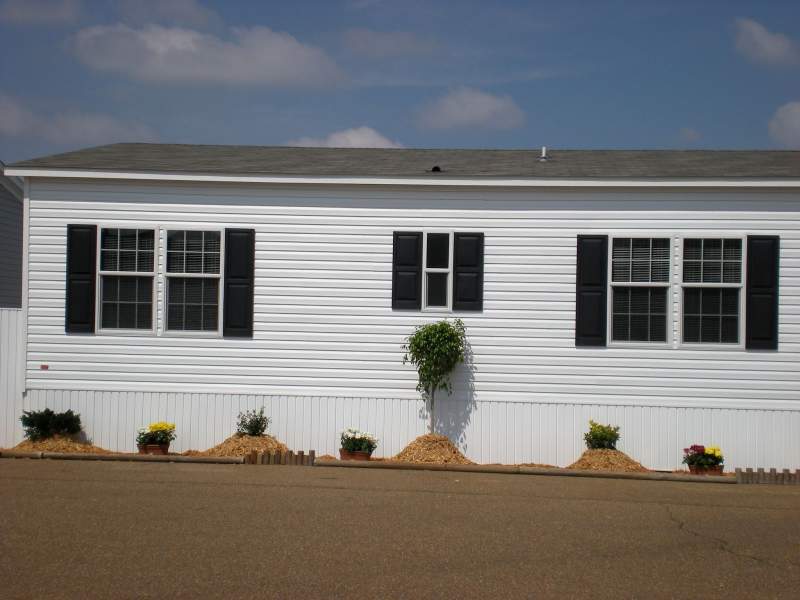
Mobile home roofing options

If the roof on your manufactured home or mobile is showing its age, it may be time to consider repairing or even replacing your roof altogether. Of course, one of the first questions that comes to mind when repairing or replacing a roof is the cost of it all – how much does it cost to hire a professional? Or, what’s the cost of materials to get it done yourself? 

While the cost of any mobile home roofing project should always be a consideration, it’s important to first take a step back and take a large-scale view of your roofing project. Always ask yourself the following questions when considering a manufactured home roof repair or replacement: 

  • Which roofing material is right for my mobile home? 
  • Can I install a roof over my current roof, or does it need to be replaced altogether? 
  • Should I hire a professional roofing contractor to replace or repair my roof? 

Which mobile home roofing materials are right for you? 

Of the many types of roofing materials suitable for mobile homes, there are four key materials that are most popular among manufactured homeowners: asphalt shingles, metal roofing, TPO (also known as TPO membranes), and rubber roofing. While no material is definitively better than the other, each material has its advantages and disadvantages that make some materials better than others for different types of manufactured homes and mobile homes.

Shingles

Layering your roof with asphalt shingles is a time-tested approach. They’re among the cheapest roofing materials, they offer durability, and long-term maintenance is usually kept to a minimum.

Asphalt shingles is a great mobile home roofing option

While shingles are a popular roofing material across the country, one main drawback that’s a dealbreaker for many mobile homeowners is the lifespan. Shingles have an average lifespan of 15 to 20 years – considerably shorter than many other roofing materials used for manufactured homes. And, not all shingles are created equal; lesser-quality shingles may not carry the same lifespan, requiring another roof replacement in as early as 10 years. 

A key factor as to their shorter lifespan is heat absorption: since asphalt shingles absorb high amounts of heat, they tend to crack and damage quicker than other materials. Shingles are also more susceptible to wind damage compared to metal or TPO. 

If your current roof is shingle-based and you’re looking to add a layer of shingles over it via a roof over, ensure that a roof over is possible first. Depending on the thickness of a shingled roof, a roof over with just shingles may not be possible as a second layer of shingles may not adequately cover any damage, or even lead to further cracking.

However, shingle roofs remain a popular choice for many manufactured homeowners for their cost-effectiveness. While the cost of a shingled roof will vary based on the quality of shingle, as well as any labor costs involved, you expect to pay at least $1,500 for a single-wide roof, and closer to $2,500 or $3,000 or more for a double-wide.

Metal roofing

You may also consider doing a roof over or roof replacement with metal paneling – an increasingly popular choice among manufactured homeowners. These are most commonly made out of steel, though other common metal roofing materials include aluminum, zinc, or copper. As long as leaks and other damage in your existing roof are fixed, installing corrugated metal sheets over your roof is one of the most popular roof-over methods.

metal roof replacement for a manufactured home

With aluminum and metal roofing comes an increased durability factor that other roofing materials don’t have. Compared to the 15-year average lifespan for shingles, properly installed metal roofs with the right insulation underneath can last anywhere between 30 and 60 years, depending on the quality of your material and your local weather conditions. Metal roofing materials also carry increased energy efficiency over asphalt shingles, though they do get extremely hot in summer temperatures.

The extra durability comes with an added upfront cost, however. A metal roof with insulation can run at nearly double the cost of an asphalt shingle roof, particularly if you bring in a contractor to get the job done. For some manufactured homeowners, the increased lifespan may be worth the cost.

One downside to metal roofing materials is damage potential. Despite their durability, metal roofing materials are highly susceptible to denting as a result of physical impact or heavy rainfall/hail. Some minor dents can be fixed by yourself, though large dents may require replacing entire metal sheets, which can add to your long-term roofing costs.

Additionally, one lesser-known factor that may turn away homeowners is noise. If you live in an area with heavy rainfall like Hawaii, that can create more noise as it falls on a metal roof compared to asphalt. 

TPO (Thermoplastic Polyolefin)

Installing a TPO roof is another popular choice among mobile homeowners for its durability and relatively easy installation process.

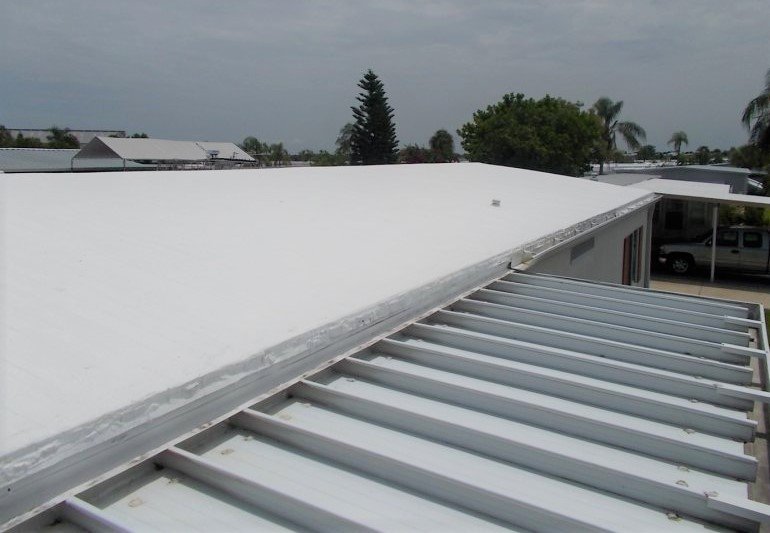
TPO thermoplastic polyolefin energy efficient roofing optino

Compared to shingles, TPO roofs hold up for much longer against all types of weather conditions, offering even more durability than a metal roof. TPO roofs are also among the most energy efficient roofing materials, with the added caveat that the most popular TPO roof color, white, carries the most energy efficiency. TPO roofs are less commonly installed with a black finish, which only absorbs more heat and increases your mobile home’s air conditioning costs. Because of all of these factors, TPO roofs are often seen as the most beneficial option for manufactured homes. 

TPO roofs are most favorable for flat or bowed roofs, as installing the TPO membrane over the existing roof is relatively painless. That doesn’t mean you can’t install a TPO roof over a pitched roof, but your costs may rise due to the more precise nature of the installation. 

The lighter weight and durability makes TPO a cost-effective option, too. While the costs depend on whether you go the DIY route or hire a professional contractor, you can expect pricing to be around the same range as that of an asphalt shingle roof, if not slightly less.
TPO roofs are part of a larger offering of membrane-based roofing materials, which also includes EPDM roofs. That said, a TPO membrane will more often than not need to be installed by a professional contractor, as improper installation can lead to rippling and tearing in the materials, which can create leaks in your manufactured home.  

Rubber Roofing

Mobile homeowners looking for a quick repair or roof over may choose to use a rubber roofing, or liquid roofing method. This involves spreading a coat of rubberproofing material over the current roof to seal in any damage and provide the roof with a solid layer of protection. 

For mobile homeowners on a budget, this may be the best option for a roof over. Roof overs done this way can run for as little as $600, and will last for about 10 years – almost as long as a roof with asphalt shingles. 

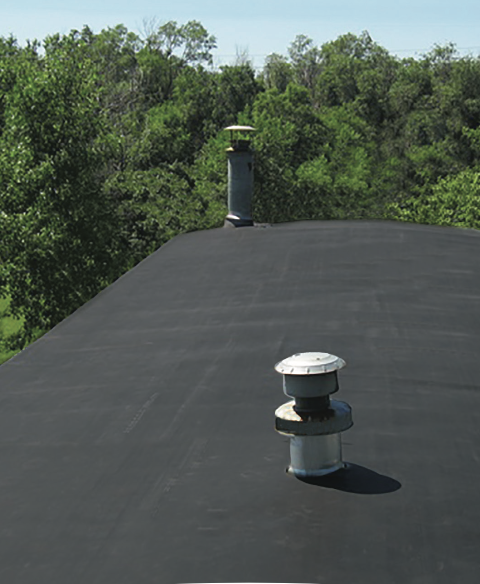
Rubber mobile home roof
RoofWrap, a single-piece rubber seal for mobile homes.

Installation must be completed on a dry day without rain, as the solution will typically need to dry and harden over the course of several hours. Additionally, maintenance for your rubber sealed roof is often higher than an asphalt or metal roof, as you may need to reseal on a yearly basis. This can make maintenance more of a hassle for mobile homeowners compared to the other materials listed.

The type of material that’s best for your roof over or roof replacement comes down to your specific needs. Are you willing to pay more for durability and a roof with a long lifespan? If so, a metal roof may be right for you. Or, if you’re working on a budget and want to do a roof over your current roof, then a TPO roof is your go-to. In any case, a roofing calculator can help you find the exact cost it’ll take for a roof over or roof replacement on your mobile home.
The Case for Roof Overs and Roof Replacements

Whether or not you’ve already identified the right material for your manufactured or mobile home, it’s important to consider whether you want to do a roof over – installing the new roof on top of the old material – or completely replace your roof altogether. In a number of cases, a roof over will do, depending on your materials. 

For instance, a new TPO roof is an ideal option for mobile home roof overs, particularly for flat roofs. This is because TPO membranes are installed in one piece over the existing roof, compared to the multiple sheets required for metal or aluminum roofing. 

If you’re repairing or replacing a flat roof, you may consider building a pitched roof over it to better protect against weather damage; while flat roofs can hold water and cause significant damage to your roof (not to mention your entire manufactured home), pitched or sloped roofs route any precipitation away from your roof and home. Additionally, for areas in the northern U.S. that see significant amounts of snowfall, a site-built roof above your home’s existing roof can add extra support for heavy snow loads. For this method, shingles and metal roofing are usually favored, given their time-tested reliability. 

Like we mentioned above, for flat roofs TPO is a great cost-effective option if a pitched roof isn’t your thing. That’s perhaps the biggest advantage to a roof over compared to a full replacement is – the cost. Since a roof over doesn’t involve tearing out the original damaged roofing material, you save money on the labor needed to remove the old roof, and disposal no longer becomes a factor. This makes roof overs the preferred option for many mobile homeowners. 

In some cases, your mobile home roof may be damaged to the extent that a roof over won’t adequately cover your manufactured home. This is when a complete roof replacement may be necessary, which involves tearing away the old roofing material before installing your new roof. While this does often increase the price of your roof installation, it comes with extra peace of mind knowing your new roof is fully guarded against the elements.

When to Hire, and When to DIY

Now, we’ve talked about the most popular roofing materials, and the benefits of a roof over compared to a roof replacement. Another major question to ask yourself is whether you want to do the roof over or roof replacement yourself, or hire a professional. 

Cost is, as always, a big determining factor when choosing to go the DIY route for a manufactured home roofing project. If you decide to handle a roof repair or replacement on your own, the main out-of-pocket cost will be for the materials, which varies greatly depending on which material you use. That said, what you save financially gets spent in the extra time you put in to do the job yourself. 

That’s where hiring a contractor for your roof over or roof replacement has a major benefit. Yes, you’ll likely pay more out of pocket to account for labor costs. However, having professional contractors to repair or replace your roof can not only save you time to do other things, but can provide peace of mind for many manufactured home owners knowing that their roof is being handled by professionals. 

The material you work with can also determine whether you should hire a professional to handle your roof over or roof replacement. TPO roofs are more often handled by contractors to ensure a proper fit, whereas a rubber sealed or metal roof can be more friendly for DIY mobile homeowners. 

If you’re looking to do your mobile home roof over or replacement on your own, materials can usually be sourced from an industrial hardware store, or even your local lumber yard if you’re opting for a metal roof. 

If you plan to hire a contractor to handle your roof repair, many online websites like Angi or Thumbtack can help you find local contractors near you that can work within your budget and desired materials. And, a contractor often works directly with suppliers to source roofing materials, so you don’t have to hunt them down on your own.

One key consideration for any roofing project is whether there are any park community guidelines, if applicable, that dictate how a roofing project must be completed, apart from any necessary local/state permits. While it’s likely that you can repair or replace your roof with just those permits, it’s a good idea to check with your mobile home park to see if there are any additional requirements for your roofing project, such as restricting construction within daylight hours. It’s best to contact your community manager to get more information. If you live in a mobile home park or resident-owned community, they may also have resources available to you for your roofing project, such as a recommended contractor with discounted rates.

The Best Roof for Your Mobile Home

At the end of the day, how you repair or replace your roof should be suited to your budget, while also taking into consideration the shape and build of your current roof and any existing damage. Consider your long-term needs out of your roof, and what you value most. For many mobile home owners, durability is key, particularly in areas with harsher weather, which makes a metal or TPO roof the ideal option. For other areas, a shingle roof is the way to go if you’re looking for reliability and cost-effectiveness. 
If you’re looking to repair or replace your roof to increase your mobile home’s resale value, check out these other tips for improving your home. You can also read more on how to best go about the roof over or roof replacement process to ensure that your new roof is the best your manufactured or mobile home deserves.

How to Sell a Mobile Home in Michigan

Selling a mobile home in Michigan

If you think that selling a mobile home is the same as selling a traditional one, you are mistaken. These two types of houses require entirely different approaches when it comes to selling and marketing them. Moreover, every mobile home is different, and so is every location. Therefore, it’s in your best interest to tailor your selling strategies to suit the area you plan to sell. That will considerably increase your chances of success.

Thus, if you want to sell a mobile home in Michigan, you will need a few tricks up your sleeve. And that is why we are here. To help you out on this journey, we have prepared a guide to lead you through the process.

Consider How You Want to Sell Your Home

Once you have decided to sell your mobile home in Michigan, you will face another dilemma – who will sell your home?

There are several options to explore.

Firstly, if your home is in a mobile home park, you should communicate your selling plans to the park management. You will probably have an opportunity to work with a sales agent of the park to help you sell your home. Just like any other agent, they will help you prepare and stage your home, so it’s attractive to prospective buyers, organize showings, and prepare paperwork. 

On the other hand, if your mobile home is located on a piece of land in your ownership, you can choose whether you want to sell your home yourself or hire a real estate agent. The first option is called “for sale by owner.” If you go with an agent, it’s imperative to find one who has experience selling mobile homes in Michigan. They will have the necessary knowledge and expertise to market the house well and sell it quickly. 

Hiring a real estate agent with experience selling mobile homes in Michigan will make things way easier for you.

Still, if you decide on the FSBO approach, you will save a significant amount of money, given that you will not have to pay an agent’s commission. However, it will demand you to do a lot more legwork, for which you may not be ready. Also, selling a home is no easy task, and if you are not well-versed in it, an agent may save you a lot of trouble and potential mistakes. 

Finally, there are manufactured home dealers who will probably want to purchase your home from you. It is the simplest and the fastest way to sell a mobile home in Michigan. But, there is a downside – a dealer will usually offer less for the home than a private buyer.

Determine Your Home Value

The selling price that you decide on should be well-informed and based on reliable data. A few options to help you price your home effectively include:

  • Appraisal
  • Inspection
  • Mobile home book value report

When selling a mobile home, like when selling a traditional home, it would be best to have it professionally appraised and inspected. An appraisal will give you the most detailed and accurate home valuation. You will also gain insight into what significant repairs you will have to address before putting your home on the market. 

If you’re interested in a quicker solution, MHVillage can help you get started with a free mobile home book value if you decide to list your home on our website. This book will help you price your home accurately, which is essential for a fast sale of a home. You can do some research and see how similar properties in your neighborhood are priced and get a decent idea of how much your mobile home is worth. 

Keep in mind that several factors affect the local market:

  • Time of the year
  • Availability
  • Interest rates
  • Demographics
  • The national economy.

Marketing Your Mobile Home

Knowing how to market your manufactured home will make all the difference when selling your home. So, if you decide to sell your home on your own, you will have to research the topic thoroughly. But if you hire an agent, they will do most of the work. 

Improving the curb appeal

There are ways to add value to your home by focusing on some minor improvements. For example, improving the curb appeal of your Michigan mobile home is an important step. First impressions are critical when selling a house, and you want to make a good one. So, do a bit of landscaping, trim the grass, and apply a fresh coat of paint, replace broken light and install a new mailbox. A little goes a long way. 

Spruce up the interior

Moreover, get your interior ready by scheduling deep cleaning, removing the clutter, and making the home look as impersonal as possible. You want potential buyers to be able to imagine living there. Also, if possible, paint your walls in neutral colors. They are your safest bet, and freshly painted walls will give your home a clean and polished feel. 

If you want to sell a mobile home in Michigan fast, make sure you give the interior some love.

Take quality photos

Finally, you will want to have some good photos. It would be best if you hired a professional photographer as they can capture the true beauty of your house and present it in the best possible light. And make sure you carefully consider the descriptions of the images you use for your listings. MHVillage has prepared a Mobile Home Online Listing Checklist to help you create an optimized listing for your mobile home that will ensure you attract buyers and highlight your home’s most attractive qualities.

All of this will ensure your mobile home doesn’t stay on the market too long. So, you will want to move out as fast as possible when you have found a buyer. The fantastic news is that you can do that by hiring a moving company that offers same-day moving services. That way, you will organize fast and stress-free relocation to your new address. With the right help, selling your home and moving to a new one don’t have to be complicated. 

Gather Michigan-specific paperwork for your mobile home

Every state has different rules and regulations concerning the paperwork necessary for selling and purchasing mobile homes. Thus, you must gather all the essential information. 

Research the rules and regulations regarding mobile home sales in Michigan.

So, if you want to sell a mobile home in Michigan, here is what you should do:

  1. It is necessary to draw up a bill of sale and finalize the transaction. It is not required to have a notary present in Michigan.
  2. You must have the title at hand so the new owner can check all the information. You will assign the title to the new owner, and they will then take the assigned title to a Secretary of State Branch Office, where they will have it transferred into their name. 
  3. This is not a requirement, but if your house is in a mobile home park or community, it would be helpful to prepare a copy of the rules and other relevant documents. Just like every state has different rules and regulations, so do mobile home parks. So, your buyer will appreciate this information. 

List with MHVillage, Sell with Confidence

MHVillage is America’s number website for listing mobile homes. So, if you want to sell a mobile home in Michigan, this is your first stop. Every year, we have over 25 million unique visitors and sell over 80,000 homes nationwide. Deciding to sell has been the first step; the next is reading our Mobile Home Seller’s Guide. It will provide you with a lot of valuable information and resources to proceed with the next steps of the mobile home selling process.

6 Contemporary Modular Home Designs That You Can’t Miss

Contemporary modular home designs

You’ll find them all over many neighborhoods in America today. Homes that capture the look, feel, and structure of site-built homes, but created for a fraction of the cost using today’s most advanced building techniques. They’re called modular homes, and they’re an increasingly popular way to get an attractive and affordable home.

What’s more, modular homes are now available in an incredible variety of designs and styles. These six models are among the best you’ll find on the market today, and each has its own unique charm and philosophy expressed through an eye-catching design. (Need a quick refresher on modular homes? Read What is a Modular Home? for the basics you need to know.)

1. Genesis Homes Angelina

  • 3 Bed
  • 2 Bath
  • 1,749 Square Feet
  • Available from: Genesis Homes

Angelina by Genesis Homes
Photo courtesy of Genesis Homes.

The Angelina is a modern take on the classic ranch home. A covered porch and distinctive gables give this modular home an exterior that stands out from the rest.

Angelina Genesis Homes.
Photo courtesy of Genesis Homes.

Inside, you’ll find timeless farmhouse accents like sliding barn doors. But you’ll also love the Angelina for its must-have modern conveniences like a walk-in shower and kitchen island.

2. Modular Homes of America Natchez

  • 4 Bed
  • 3 Bath
  • 1,825 Square Feet
  • Available from: Modular Homes of America (TX)

Natchez by Modular Homes of America
Photo courtesy of Modular Homes of America.

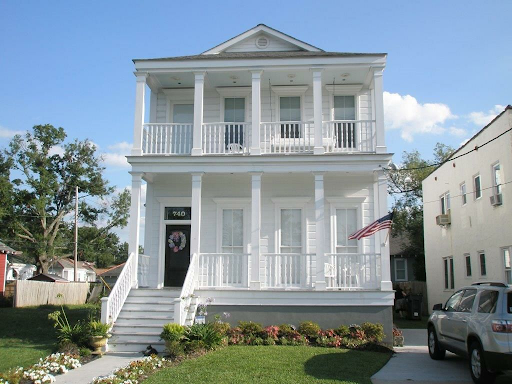
Looking for a modular home with some Southern charm? The Natchez could be what sweetens your tea. With a full-sized porch and balcony, this home is perfect for enjoying some beautiful weather, and its four bedrooms and three baths provide abundant space inside.

Natchez by Modular Homes of America
Photo courtesy of Modular Homes of America.

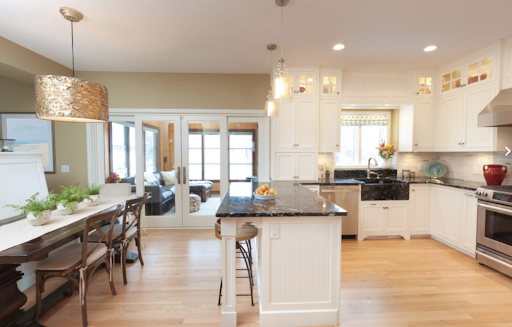
With an island counter, abundant kitchen space and sunroom, the Natchez is an entertainer’s dream. And with numerous natural windows, you’ll never lack for a mood-boosting ray of sunlight.

3. Affinity Building Systems Kingfisher

  • 3 Bed
  • 2 Bath
  • 2,124 Square Feet
  • Available from: Affinity Building Systems (FL)

Kingfisher by Affinity Building Systems
Photo courtesy of Affinity Building Systems.

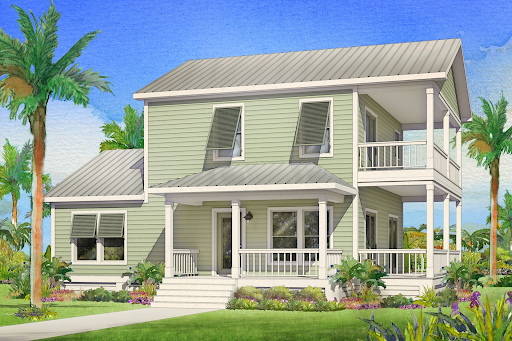
Another classic Southern design, the Kingfisher creates a welcoming space that radiates charm. With three full-size porches, it’s the perfect design for letting the good times roll—whether that means a party with friends and family or a quiet afternoon with a book and a beverage.

Kingfisher by Affinity Building Systems
Photo courtesy of Affinity Building Systems.

The Kingfisher’s interiors are equally appealing. An island counter and eat-in kitchen flow into a roomy living room, while bathrooms and bedrooms are designed as a seamless blend of the vintage and the contemporary.

4. Rochester Hyde Park

  • 4 Bed
  • 2.5 Bath
  • 2,497 Square Feet
  • Available from: Rochester Homes (IN)

Hyde Park by Rochester Homes
Photo courtesy of Rochester Homes.

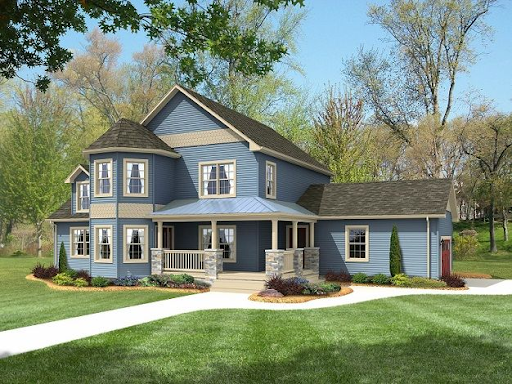
Big, grand, and graceful, Hyde Park is a study in architectural beauty. A turret-like projection gives this home the feel of a Victorian, but it’s integrated into a design that feels current and clean.

Hyde Park by Rochester Homes
Photo courtesy of Rochester Homes.

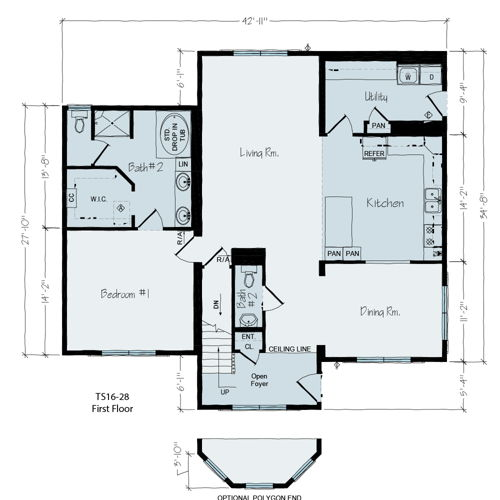
The Hyde Park has a design that’s simultaneously spacious and intimate, with large, comfortable rooms and an airy open foyer. Each bedroom features a walk-in closet, and the master bed-bath suite includes an oversized soaker tub that you’ll love to relax in.

5. Pratt Homes Georgetown

  • 3 Bed
  • 2 Bath
  • 1,900 Square Feet
  • Available from: Pratt Homes (TX)

Georgetown by Pratt Homes
Photo courtesy of Pratt Homes.

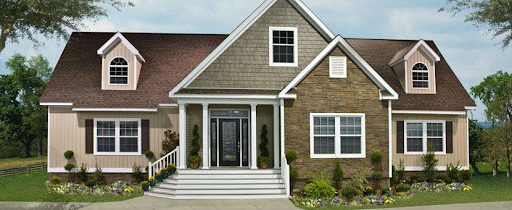
The Georgetown is as stately and dignified as they come. Just check out those columns flanking the entrance! At the same time, modern architectural twists give this home a vital and fresh visual appeal that makes it a great representative of the new generation of modular homes.

Georgetown by Pratt Homes
Photo courtesy of Pratt Homes.

Inside, the Georgetown offers lovely elements like a three-seater breakfast bar, as well as extensive cabinet and counter space. It’s also replete with built-in elements such as an entertainment center and soaker tub.

6. Genesis Homes Sequoia

  • 3 Bed
  • 2 Bath
  • 1,459 Square Feet
  • Available from: Genesis Homes

Sequoia by Genesis Homes
Photo courtesy of Genesis Homes.

With a name inspired by America’s mightiest tree, the Sequoia has a lot to live up to—and it does. This home is an “L ranch” with lots of space and an open plan design that calls to mind the greatness of America’s wide-open spaces.

Sequoia by Genesis Homes
Photo courtesy of Genesis Homes.

The Sequoia’s kitchen features built-in Shaker cabinets and a huge island counter that provides counter space galore. The master bed-bath suite includes a walk-in shower and double sinks, and throughout the home, you’ll find rustic accents like sliding barn doors that make the Sequoia feel like home.

MHVillage is America’s #1 choice for prefab home information, and our selection of manufactured home floor plans includes options from all of the top U.S. home manufacturers. Homebuyers will find everything they need to choose a beautiful and affordable home that’s just right.

What do Buyers Care Most About in a Manufactured Home?

What buyers want most in a manufactured home

Manufactured and mobile homes have become a very popular solution for new home buyers with the real estate markets of today – and why wouldn’t they. Modern manufactured homes are becoming increasingly luxurious while remaining very practical in terms of affordability.

A recent analysis found that mobile home searches surged by 50% in 23 states. Two things are for certain – the demand is growing for these homes and they aren’t just for seniors anymore.

They are being designed with a far wider market in mind as younger and younger buyers seek solutions to the affordable housing crisis.

This of course begs the question, aside from affordability, what is it that buyers want most in a manufactured home?

It’s what’s inside that counts

From a seller’s perspective, when it comes to understanding what people really look for in a manufactured home, it’s the interior that is going to require the most attention. A buyer needs to fall in love with the space they will be interacting with most, and that often means wowing them with a stunning kitchen and dining area.

Without overlooking the rest of the interior it’s well known that laminate wooden floor patterns and beautiful cabinets have the potential to really make a manufactured home interior pop, and woo potential buyers into pulling the trigger on your home.

Let’s get into the details of what has been attracting buyers to manufactured homes lately.

Kitchen considerations

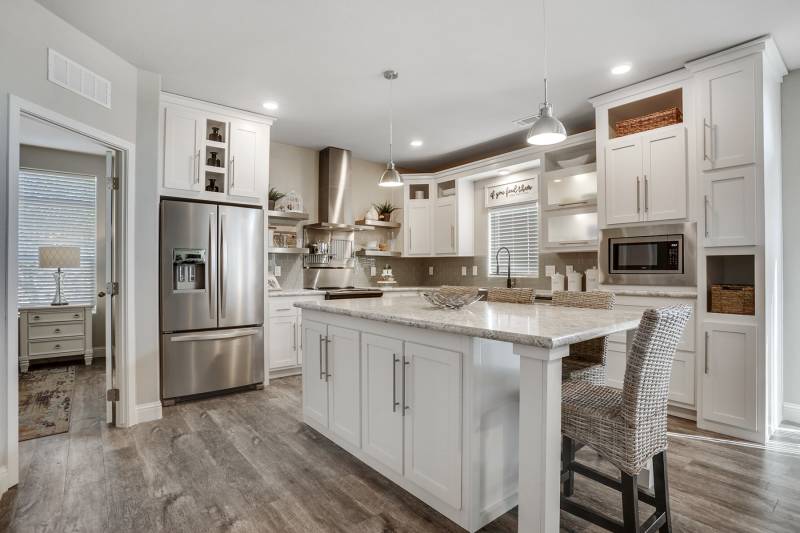
Buyers of manufactured homes, without question, are looking for a fantastic kitchen. This is where the magic happens, so to speak. People spend a lot of time there, and when it comes to manufactured homes, it’s no different.

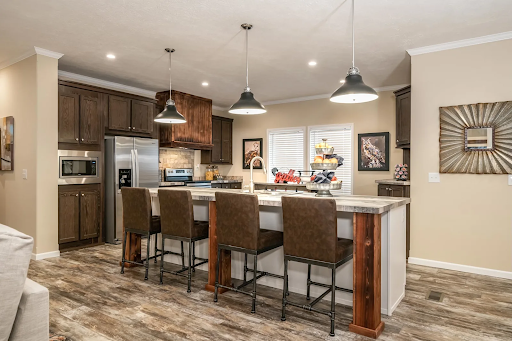
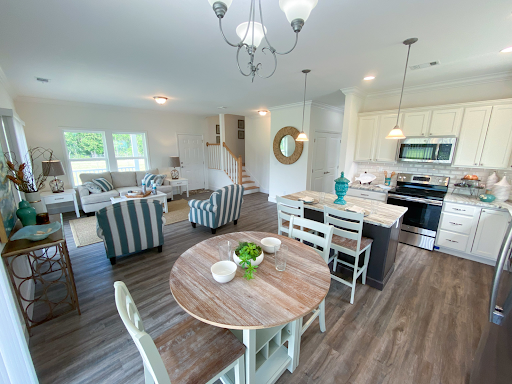
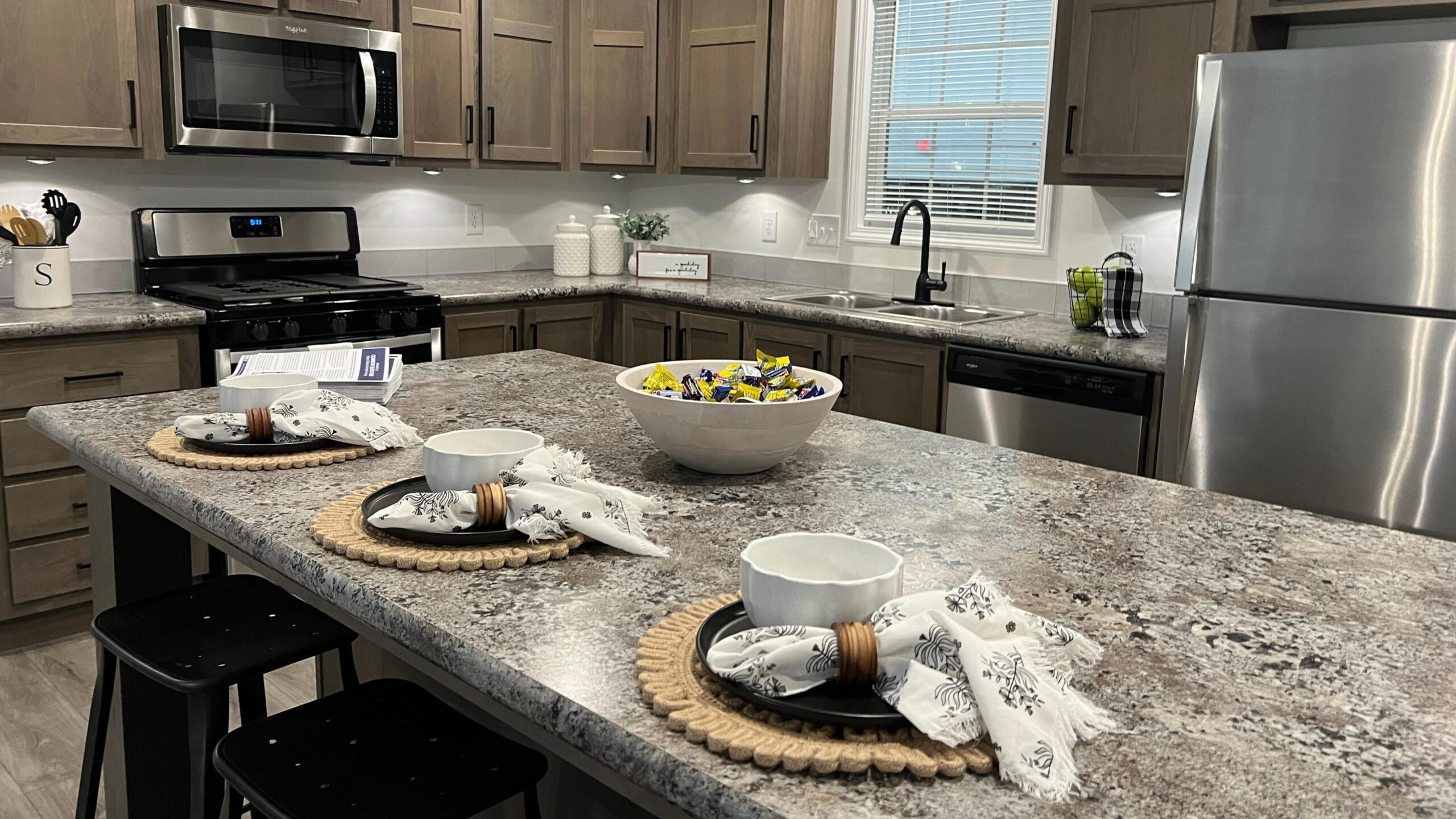
As such, more and more attention is being paid to the kitchen in the mobile home, and contemporary designs are what many home shoppers are looking for. Adding or upgrading to features such as stone countertops, beautiful wooden cabinets, and modern appliances is a great way to make a strong impression.

Manufactured homes are being created to provide a sense of luxury, and decadence along with functionality. With plenty of big cupboards offering all kinds of storage and extremely efficient floorplans, you can wow potential buyers by focusing on these lavish kitchen areas.

Keeping these spaces appealing while maximizing their practicality has been an ongoing trend in manufactured homes and is the best bet for buyer valuation. Manufactured home buyers want a beautiful space that they can really use.

Popular kitchen features

• Stone Countertops
• Wooden cabinetry
• Stainless appliances
• Recessed Lighting
• Island

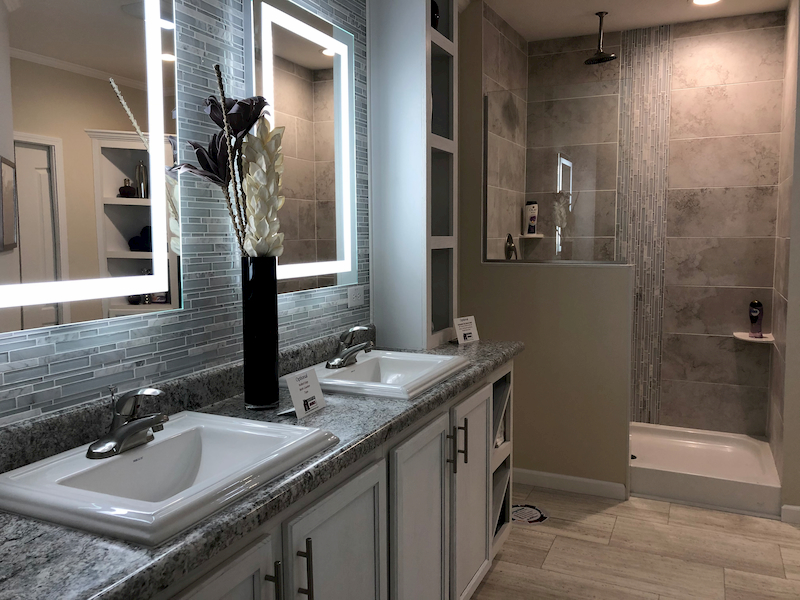
Modern Mobile Homes bathroom
Photo captured at the 2020 Louisville Manufactured Housing Show.

Exceptional bathrooms with luxurious amenities

Lately, builders have been putting additional effort into creating mini-spas out of the bathrooms in manufactured homes. Think less about what comes to mind when you hear the phrase mobile home bathroom, and think more along the lines of a full-on spa design.

Some recent manufactured home designs have started incorporating his and hers bathroom sinks, standing showers, and bathtubs like the Avalanche Model from Champion Homes. The manufacturers have put an incredible amount of thought and attention to detail into making these bathrooms into bright, spacious places that one feels inclined to spend time in.

In order to appeal to home buyers, we are keeping with the same theme as the kitchens: attractive, and useful. It may seem obvious but overly flashy spaces aren’t going to attract many buyers if they aren’t functional as well.

Popular bathroom features

• His and her sinks
• Stone tiling
• Bright Spaces
• Beautiful faucets

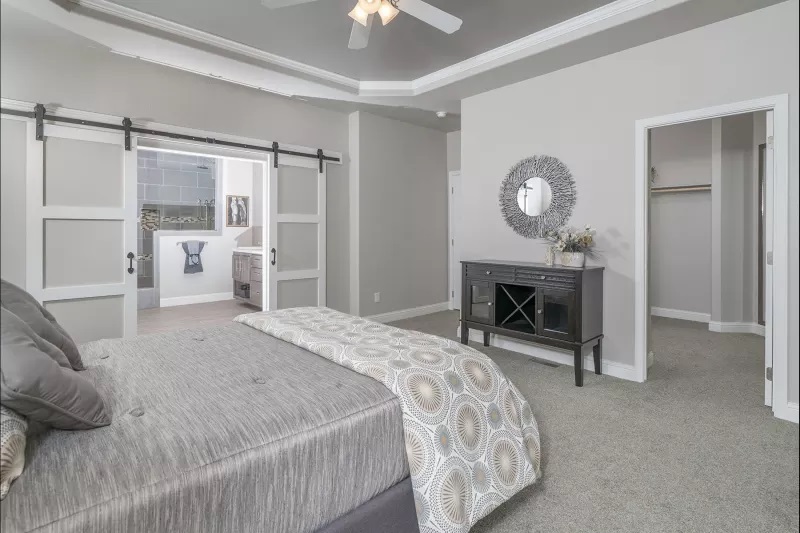
3 bedroom mobile home farmhouse style bedroom

Bedroom havens

Builders and manufacturers have also been studying the buyer to find that the bedroom must provide a comfortable retreat. Modern mobile homes are required to meet all the needs of the buyer and that means providing a comfortable sleeping space with beautiful features.

Buyers want to know that they will have enough space for storing their clothes and that they can comfortably get dressed in the space. Even manufacturers of smaller mobile homes have been making sure they pack features into the bedroom.

Counterintuitive considerations for buyers of manufactured homes

Having covered the whole home and all of the amenities it offers, it becomes apparent why kitchens come in at the highest level of buyer consideration, and it makes sense. Kitchens are often the main space that provides that valuable first impression to the buyer and their family.

Kitchens are where people spend their most social time together in the home, eating drinking cooking, and living. The kitchen space is where the residents and their guests come together, so why shouldn’t it be a stunning space?

It is both interesting and slightly unexpected to note that buyers are most interested in the least intimate space which tells you that mobile home buyers, like most people are concerned about where they spend time with others.

Hopefully, armed with this useful information, the next time you are getting ready to list or stage your home – you will know exactly where to focus.

Happy selling.

Attract mobile home buyers

How to Sell a Mobile Home in Pennsylvania

How to sell a mobile home in Pennsylvania

If you are planning to sell a mobile home in Pennsylvania, you are in luck. Pennsylvania is an excellent place to do so in today’s market. Thanks to the surrounding states, Ohio, New York, and West Virginia, you will have a considerable pool of interested buyers in search of a home just like the one you are listing. How come, you may wonder. The answer is simple: they can’t find the home for sale they like. Now, although it seems that many people are selling around you, they are probably not marketing their house in the right way. What they and you should do is take steps to maximize your home’s exposure. 

For example, some people put a “for sale” sign on the front porch or in the window and call it a day. However, that will not work anymore. Especially now, when we are battling the pandemic, but even before the breakout, people have been looking for their new homes online. And so, if you want to sell something, you should also exploit all the wonders of the Internet. 

Therefore, if you want to ensure your mobile home in Pennsylvania sells fast, keep on reading. We have some handy advice for you.

Who will sell your manufactured home?

The first decision you have to make when you know that you will be selling your mobile home is who will be selling it. There are several options at your disposal. You can:

  1. Sell your mobile home with the help of a real estate agent
  2. Resort to “for sale by owner” option
  3. Sell directly to a mobile home dealer

Selling through an agent

Firstly, if your home is in a mobile home park in Pennsylvania, you should let your park manager know about your intention to sell. These communities often have a sales agent with whom you can work. They will help you prepare your home for showings, make it more attractive, get all the paperwork ready, and organize the showings. 

However, if your mobile home is located on land that you own, you have other options. You can either sell your home yourself or hire a real estate agent of your choice. Should you opt to go with an agent, be advised to employ the one specializing in selling mobile homes. A real estate agent with such expertise will know how to sell your house most effectively. 

Hiring a real estate agent to help you sell your mobile home will save you a lot of leg work.

For sale by owner (FSBO)

On the other hand, if you choose the for sale by owner route, you will save yourself a considerable amount of money that would otherwise go to the agent’s fees. Remember, though, that this will require much more legwork on your behalf. Therefore, consider these questions:

  • Do you have enough time to deal with all the necessary aspects of selling a house?
  • Do you have the necessary knowledge and experience with regard to selling a home?
  • Is it really the most profitable option to avoid an agent?

Finally, there may be the possibility of selling your home directly to a mobile home dealer. It is probably the fastest and most straightforward way to sell a mobile home. Nevertheless, there is a significant chance that a dealer will pay less for it than a private buyer.

Appraisal and inspection

It is absolutely essential to get your home appraised and inspected when you decide to sell it. MHVillage will make it easy for you with a free manufactured home value report for all homes listed on our site. Still, it’s highly advisable to get a professional appraisal. It will help you determine the accurate value of your home so you can set a reasonable price. 

Also, it’s wise to get your house professionally inspected. If there are any significant issues with the house that require your attention, an inspection will reveal them. This is beneficial as potential buyers will have more confidence when deciding whether to invest in your home if they see that the house is in adequate condition.

Selling your mobile home as is or doing some repairs?

After the home inspection, you can decide which repairs will be worth handling. Extensive repairs can be costly and delay the sale of your mobile home by several months. Fixing the leaking roof, damaged walls, updating electrical installations and plumbing can lead to tens of thousands of dollars spent on repairs, only to wait for additional few months to locate the buyer ready to commit. Some mobile home dealers may be interested in buying your home as-is. Albeit for less money, but you will save yourself quite a lot of trouble. 

On the other hand, if the big things in your home are fine, you can do some cost-effective repairs that may even increase your home’s value. Focus on your home’s aesthetic appeal. The simplest changes such as a fresh coat of paint and new doorknobs and faucets can make a world of difference. Moreover, invest some time and effort into staging your home in a way that will enable the buyer to imagine living there. 

Marketing your mobile home

Once you have decided to sell a mobile home in Pennsylvania and how you will sell it, you must focus on proper marketing. An agent will do most of the work if you have hired one, but if you haven’t, here is what you must do:

how to market your Pennsylvania manufactured home
Walnut Grove Manufactured Home Community in Gettysburg, PA
  • Include as much information as possible. It will attract more buyers.
  • Work on the curb appeal. First impressions are crucial and can make or break your sale. 
  • Hire a professional photographer. Even if you have hired an agent, you will need some fantastic photos to sell your home fast. A professional photographer will know how to deal with areas of your home that don’t photograph well. 
  • Add incentives. Create an excellent offer. For example, leave the furniture if it’s in good condition. Offer some credit if certain things need replacing. 

Hiring a professional photographer is a smart idea if you want to sell a mobile home in Pennsylvania fast.

Important note: If you offer $1000 credit because the floors are in bad shape, remember to include that in your price. You don’t want to end up losing money. Selling a mobile home means that you will have to move to another one, and you need to have your relocation needs completely covered. This whole process will require detailed planning and budgeting, so make sure you consider everything. 

Pennsylvania mobile home paperwork

This is the list of paperwork necessary if you are selling your Pennsylvania mobile home yourself:

  1. Title(s)
  2. Clear tax certification from the county
  3. Bill of sale

Although only the buyer must be present at DOT to transfer title when you sell a mobile home in Pennsylvania, it’s advisable that both the buyer and the seller be there should any unexpected issuer arise. That way, the entire procedure can be expedited. Also, make sure you bring pre-signed documents. A notary is not needed.

Let’s Get Your Home Sold

Selling any manufactured home in Pennsylvania is both a simple and rewarding journey when you use MHVillage. Our mobile home listing process makes it easy and affordable to get your home on the market quickly.

For more in-depth selling tips and advice, take a look at our new comprehensive guide on how to sell a mobile home.

This Is Everything You Should Know Before Buying a Park Model Home

buying a park model home

If you have been looking at park model homes as an affordable housing option, you’ll want to know everything there is to know about them before you make a decision. There’s a lot of information about them online, but none that allows you to zoom in and out in order to form a full perspective of where park model homes stand literally and figuratively.

For those people who don’t like being tied down while still enjoying the benefits of conventional homes, park model RVs offer the perfect compromise. Even for those who buy these little “homes” as an investment, it can make a lot of sense given their rising popularity. But first, here is the practical scoop on park model homes.

If you’re just getting in on the conversation, we have already covered what park model homes are in detail elsewhere on our blog. They have become highly popular in the recent past not just because of their affordability, but because of the kind of lifestyle they represent.

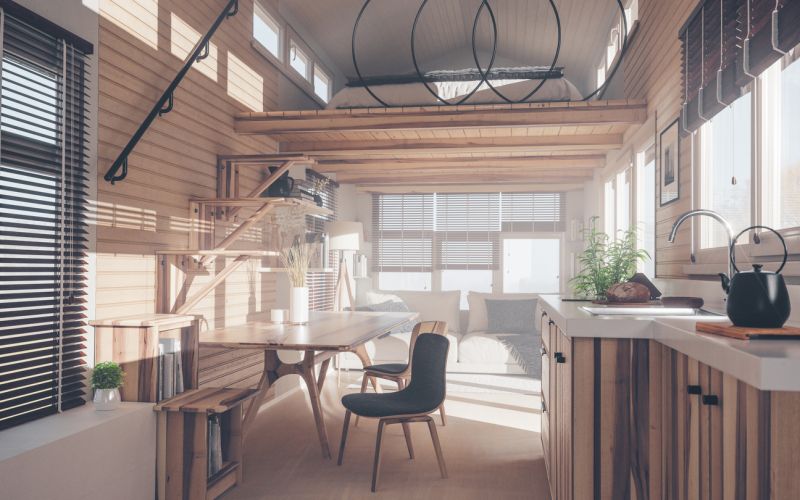
park model home interior
Interior view of a modern park model home

Park Model Homes: Value Proposition

From a financial point of view, park model homes are the perfect investment. They are turnkey solutions to affordable living and usually come fully furnished and fitted with air conditioning, plumbing, lighting, and entertainment. Given their comparably low sticker prices and lower recurrent expenses, they are perfect for retired seniors and couples just starting life.

As far as holding their value, park model homes are excellent investments. They are built to last 30-50 years or more with minimal maintenance, and their rising popularity means that their rental and resale value is still very high. 

There are some other costs that you probably won’t hear about, but for the most part these should not be a problem. 

  • Property taxes, which can be about $300 a year if you own the RV
  • Depending on where you park, parking/camping costs work out to about $5-$8 a night
  • Utilities are metered as with a conventional house and will have to be negotiated with the different companies 

Whether you’re planning to buy a park model home to live in, rent out, or use for part of the year, the only real considerations to ensure it retains its value is to avoid any home with metal siding like conventional RVs, those parked in unattractive communities, and any that require considerable repairs or customization. 

The Legal Side of Park Model Homes

Legally, park model homes are more like RVs built to the standards of manufactured homes. They are subject to electrical, plumbing, mechanical, and other residential building codes and safety regulations, but they can also be moved from place to place. 

Some legal considerations associated with park model homes include:

1. Parking

Currently, the best place to park your park model RV is in an RV park or campground. You can also park it on private property owned or rented by you, provided that you check in with local zoning regulations to ensure that you can park there. 

In practice, many urban communities still frown upon manufactured homes such as park models, so it’s best to stick to the current communities around park models and RVs. Plus, that’s the best place to get that sense of community and free lifestyle you’re probably looking for.

2. HUD Approval

Park model RVs are designed for part-time, recreational use. Thus, they are not regulated by the Department of Housing and Urban Development. This also means that you cannot legally live in a park model home full-time, and most RV parks also have rules against this.

3. Moving Park Model Homes

One of the most convenient things about park model homes is that you can move them at will if you’re ready to relocate. It does involve a bit more work compared to conventional RVs, and here are some considerations to keep in mind:

  • Check out local state laws about moving park model homes
  • During the actual move, you will need to get oversize load licensing for the highways
  • You need to get clearance from the park management before moving. This clearance shows that all parking fees and local taxes are paid prior to moving
  • For permanent moves, e.g, selling your park home RV, most parks reserve the first right of purchase
  • Park model homes are very heavy, so they require powerful vehicles to move
  • Some homes lack holding tanks as RVs usually do, so you need to prepare it for moving and disconnect the home from the utilities. 

For professional assistance with the moving process, visit our mobile home movers page to find a suitable company that can help.

What Else You Should Know About Buying a Park Model Home

When it comes to the actual buying process of a park model home, things are also a bit different. The first thing you need to know is that park model RVs are not financed like conventional housing. 

That means you can’t take out a mortgage on a park model RV precisely because it is considered a recreational vehicle. However, there are many lenders offering attractive financing options through personal loans or property loans. 

How Much Do Park Models Cost?

For the most part, buying a park model home is an affordable investment. They range in price from $30,000 to over $80,000 depending on the size, custom options present, location, and year of manufacture. 

Some of the features that tend to drive up the price of a park model home include upgraded kitchen appliances, bathrooms, air conditioning, and more. Most manufacturers offer a wide range of options to choose from if you’re willing to do some exploration. 

Explore Park Model Homes 

Park model homes offer the ultimate versatility between a proper homestead lifestyle and one on the road. As recreational vehicles, they give you the opportunity to take convenience and comfort with you wherever you go, whether that’s a new state or up in the mountains for the summer.

If you’re looking to buy or rent a park model home, the best thing you can do is explore a wide range of options that are available to you. At MHVillage, we bring the largest selection of mobile and manufactured homes across the US.

How to Find Park Models on MHVillage

  1. To find listings in your area, head over to MHVillage and search your city.
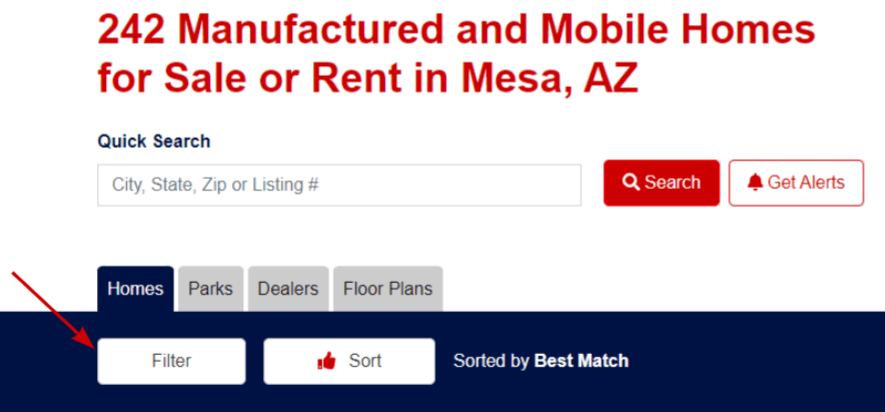
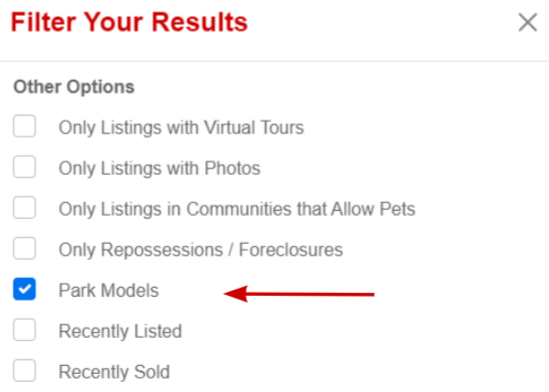
  2. Once you are on the search results page, open the home filter menu by clicking “Filter” as shown below.
  3. Lastly, select “Park Models” from the list of options and you’re good to go!

Take a look at some of our top trending homes today:

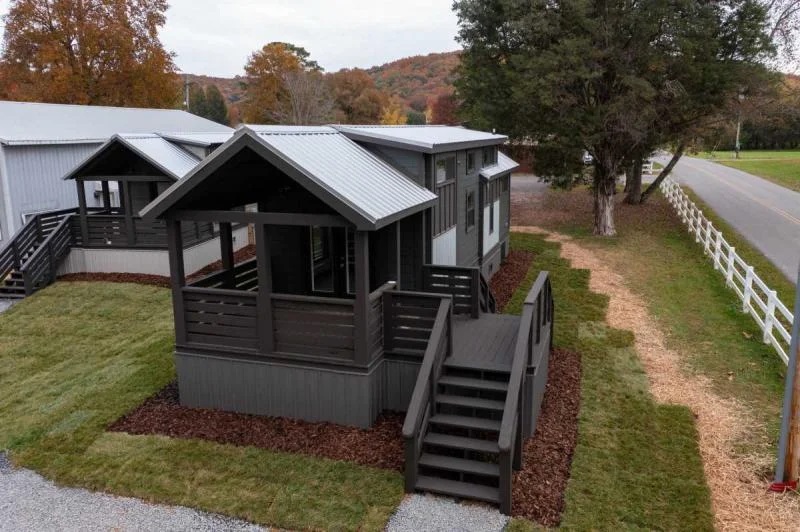
2021 Farmhouse Style Park Model

Farmhouse style park model in Ten Mile, TN

For Sale: $90,900

202 Lakeview Dr, Ten Mile, TN 37880

Brand new park model with a fantastic wrap-around porch. Excellent for full-time living or as a weekend getaway.

Brand New Park Model in Naples, FL

New park model home in Naples, FL

For Sale: $129,900

3100 North Road #302, Naples, FL 34104

Check out the newest park model in Northtide Naples. This lovely addition is currently wrapping up construction and will be available very soon. Learn more below.

7 Amenities that Mobile Home Community Residents Love

mobile home park amenities
Camelot Lakes Village in Sarasota, FL

Mobile home parks, often referred to as manufactured home communities, are slowly gaining popularity in the modern world. Over the years, communities have done a great job of accommodating different lifestyles for a larger variety of resident types. Whether it’s retirees, families, or single-persons, they are well-suited for the needs and preferences of many people.

Oftentimes, moving to a mobile home community is a decision that people make because of the amenities. When choosing between an apartment, house, or community, many residents weigh the value of the grounds, facilities, services, and even event gatherings against a more solo way of life.

Community life has a lot to offer, but what exactly do residents find most appealing about living in them?

In this post, we will take a comprehensive look at the amenities offered by mobile home parks.

1. Comfort & Security

Mobile home parks offer residents a comfortable, secure living environment by providing a gated community. As part of their comprehensive amenity plan, manufactured home communities include security gates. Residents can move about their business without having to worry about modern-day crimes such as theft.

However, understand that gated features can add a few thousand dollars to the cost of your home. The good news is that you get to have a safe environment to conduct your day-to-day activities. You also get to add a sense of luxury to your life.

2. Recreational Facilities & Events

Mobile home parks are more than just a series of manufactured homes within the same location. Residents in these communities get together to build connections with a strong sense of friendship and camaraderie. You get to have friends who become family when living in these facilities.

mobile home park recreational facilities

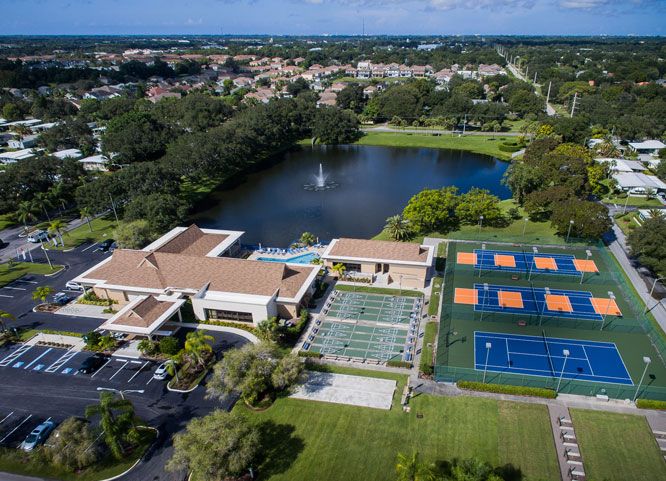
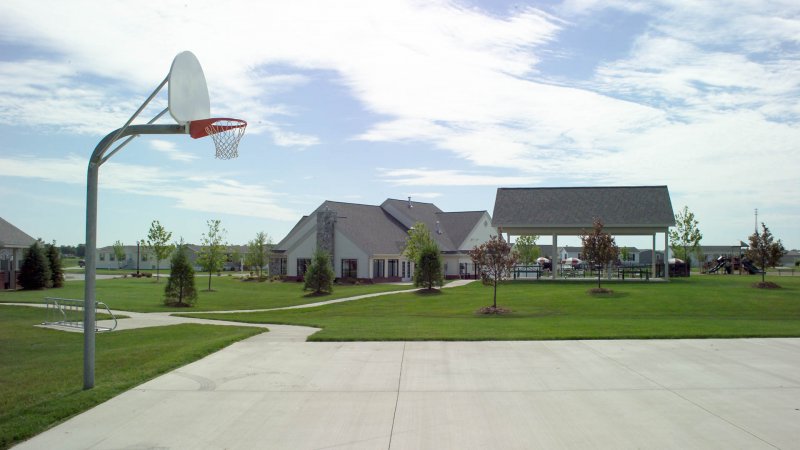
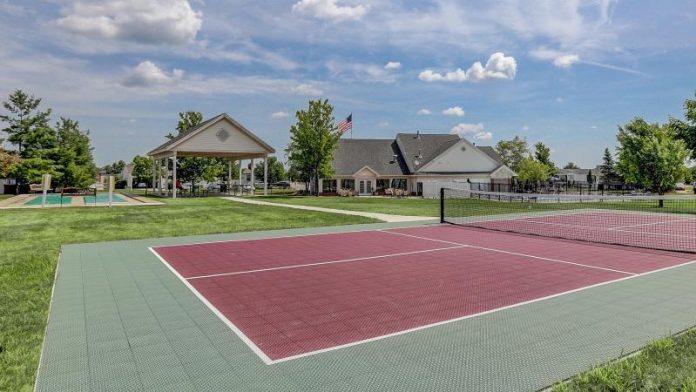
If you are a retiree or single-person, you need to live in a community that allows you to mingle with the neighbors and make new friends. These mobile home parks include central places where residents can gather and enjoy one another’s company. Some of these facilities even include playgrounds and sports courts to help boost connections through activities.

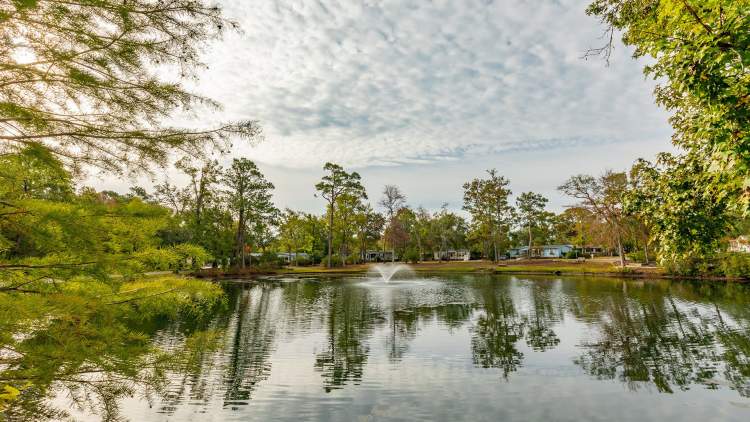
3. Waterfront Views

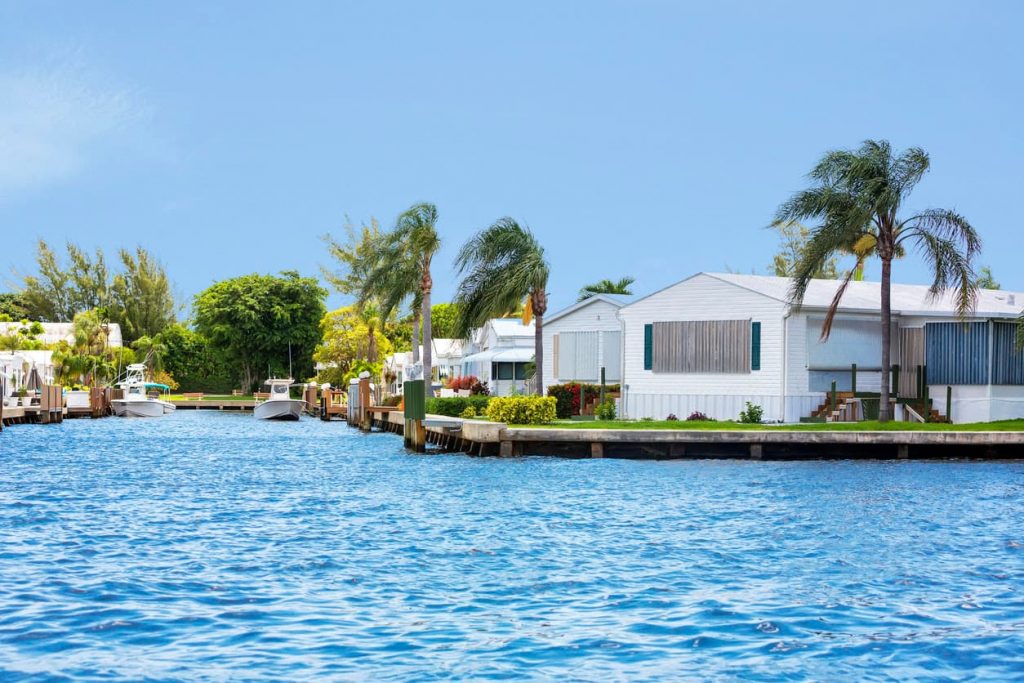
Have you always wanted a waterfront view? Nothing beats watching the sun escape the ocean gold horizon. However, you will quickly learn that coastal living can be rather expensive. The good news is that manufactured home communities can offer you waterfront views to suit your budget.

In California luxury manufactured home facilities, you can get a waterfront view at just $2.5 million. There is no doubt that home parks are revolutionizing coastal living. At MHVillage, for example, you get a wide selection of manufactured home facilities to choose from at an affordable price. You will always get something that suits your needs.

Waterfront views in mobile home parks

4. Green Spaces

Mobile home parks include shared community parks and lots of green spaces. Residents can design their dream backyard oasis due to the oversized lots. It is almost impossible to create a garden in apartments and rental homes.

You also get to enjoy the landscaped common areas and parks. The lush landscapes of manufactured home facilities provide an escape to the everyday hassles of modern-day living. Residents can sit down and enjoy the breathtaking views of mountain tops, sunrise, and sunsets.

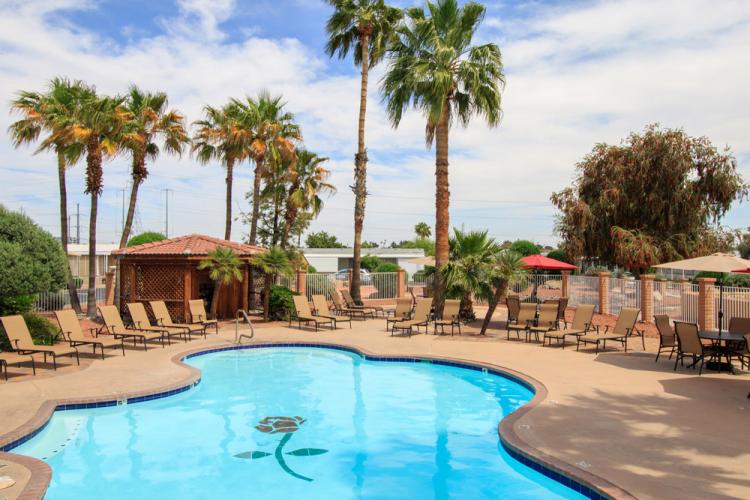
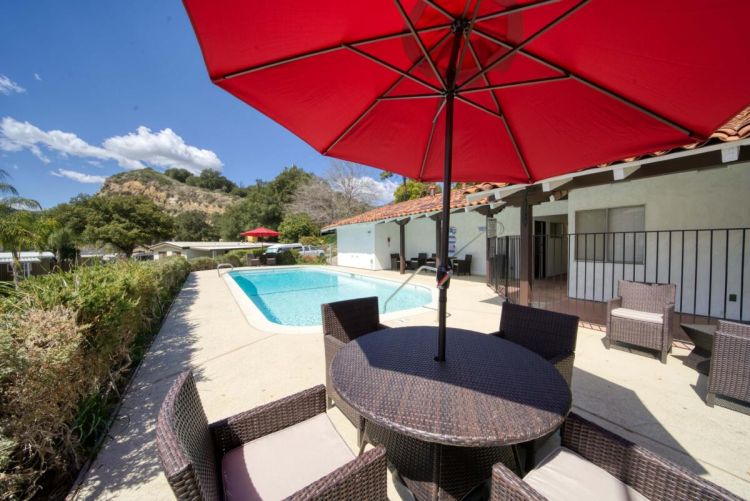
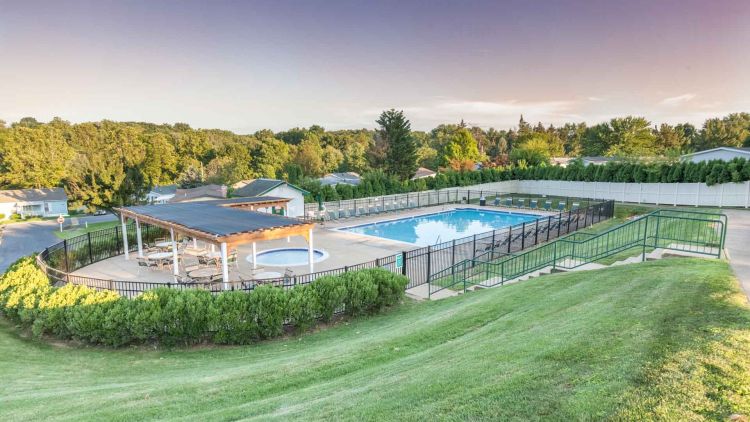
5. High-Quality Pools

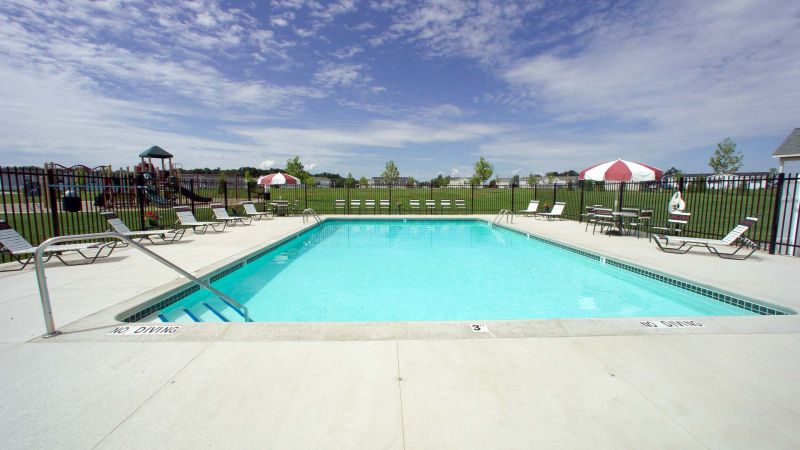
Nothing is more relaxing than lounging poolside in comfortable deck chairs during a hot summer day. Mobile parks offer amazing community pools that are ideal for large families and get-together parties. Because these facilities accommodate many individuals, they integrate large, high-quality swimming pools.

With mobile parks, you don’t have to take your family to crowded public pools. Residents also avoid the hassle of maintaining a private backyard pool. Understand that the shared pools in manufactured home communities stay clean and hygienic, thanks to qualified staff. You get to enjoy pristine pools without the high installation and maintenance costs.

manufactured home community pool

6. Availability of Critical Infrastructure

Manufactured home communities include all the essential infrastructure such as roads and utility connections. Residents don’t have to worry about simple things such as electric, water, gas, and sewer lines. Investors take care of all the maintenance costs of road and utility connections, thus giving the residents peace of mind.

In case of any problems with essential infrastructure, mobile home parks include a dedicated maintenance staff. Understand that all the staff members go through vetting to ensure residents get nothing but high-quality services. In most instances, the employees can help you with simple repairs in your home at an affordable fee. You will, therefore, get to save a lot of money and time without compromising on quality.

7. Pet-Friendly Living

An apartment complex or traditional city lot might not provide an ideal home for your pet. Many rental properties and apartments limit the number or types of pets that can live within the space. In some situations, you will have to pay steep fees for your beloved pets.

Mobile parks offer pet-friendly living environments through facilities such as dog parks. You also get plenty of space for walks around the neighborhood. Your pet will, therefore, get enough exercise to stay fit and healthy. Finally, you are never limited to the type and number of pets you can have within the facility.

Conclusion

Are you thinking about relocating to a manufactured home community? From the above article, you can see that these facilities include a lot of amenities and perks. You get to live a comfortable life with resort-style amenities at an affordable price.

MHVillage is an advertising and real estate listing service that exclusively focuses on mobile & manufactured homes. We will help you find the mobile park home of your dreams without having to break the bank. Ensure you contact us today to start enjoying all the benefits of a master-planned manufactured home community. You might not brush shoulders with a celebrity, but at least you will live in a thriving and vibrant community.

Look at These Lovely All Age Mobile Home Communities in Michigan

all age mobile home communities in Michigan

Michigan is one of the finest places in the country for family-friendly community life. Just about anywhere you look, there’s no shortage of exceptional all-age mobile home communities across the state.

If you’re on the hunt for an attractive place to settle down, here are six lovely options to consider.

1. Westridge Manor and Westbrook – Macomb, MI

Westridge Manor and Westbrook is an exceptional all-ages manufactured home community committed to creating a great living experience for its residents. With impressive facilities, well-kept grounds, and great amenities, Westridge offers a comfortable lifestyle year-round. It’s also centered in the heart of Macomb, just a short commute to a number of restaurants and shopping outlets.

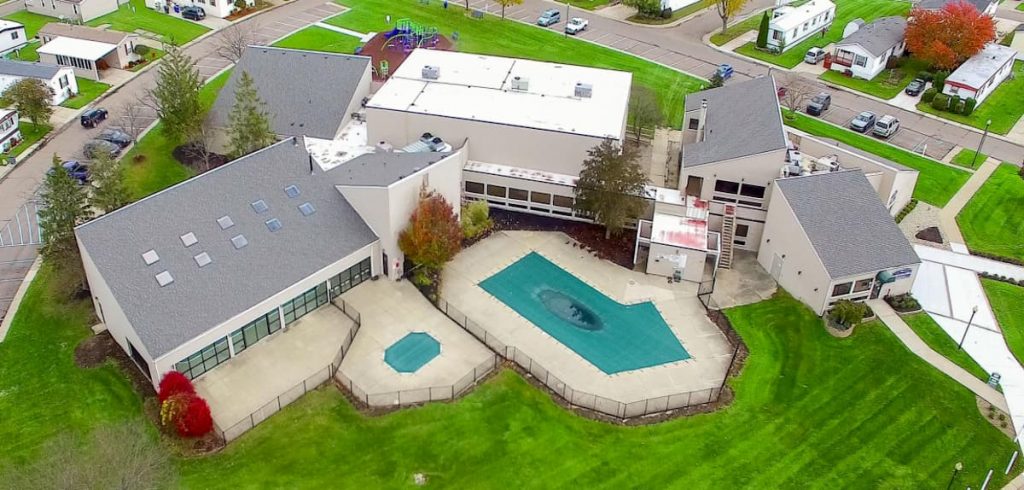
Aerial view of the community clubhouse and recreational facilities
family friendly mobile home community clubhouse
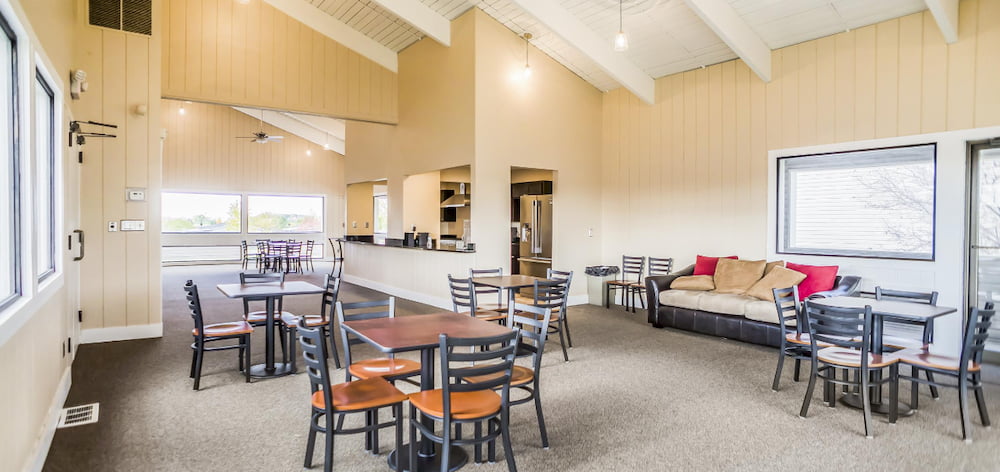
Interior look at Westridge Manor and Westbrook’s very spacious clubhouse
Notable Community Features:
  • Pet-friendly
  • Spa & Swimming Pool
  • Fitness Center
  • Recreational Facilities
  • Regular Events for Residents

View more community details →

2. Sunset Ridge – Portland, MI

Located in an excellent spot in Portland, Sunset Ridge is a gorgeous community with so much to offer. It’s array of on-site conveniences, state-of-the-art facilities, and great scenery make a nice combination for relaxation. It’s well-suited for families with young children too, sporting an outdoor playscape and plenty of room to enjoy picnics and outdoor gatherings.

The all-age manufactured home community currently has a nice mix of homes available both for sale and for rent.

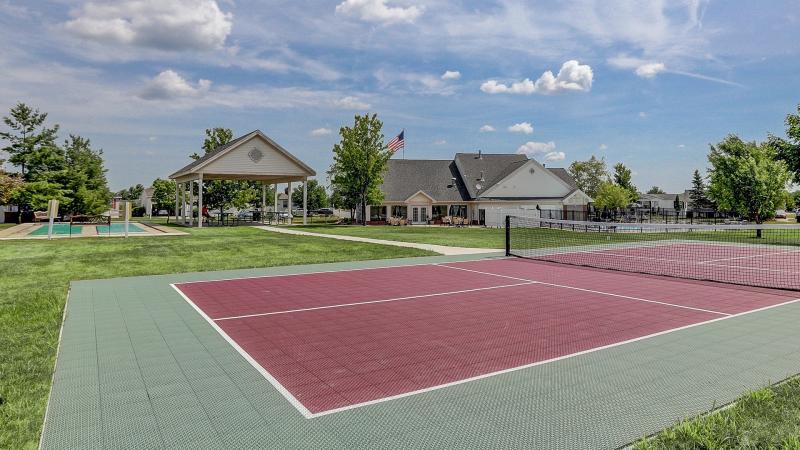
A nice summer look at some of Sunset Ridge’s recreational amenities from the grounds
Notable Community Features:
  • Pet-friendly
  • Spacious 4,100 sq ft clubhouse
  • Swimming Pool
  • Playground
  • Recreational Facilities

View more community details →

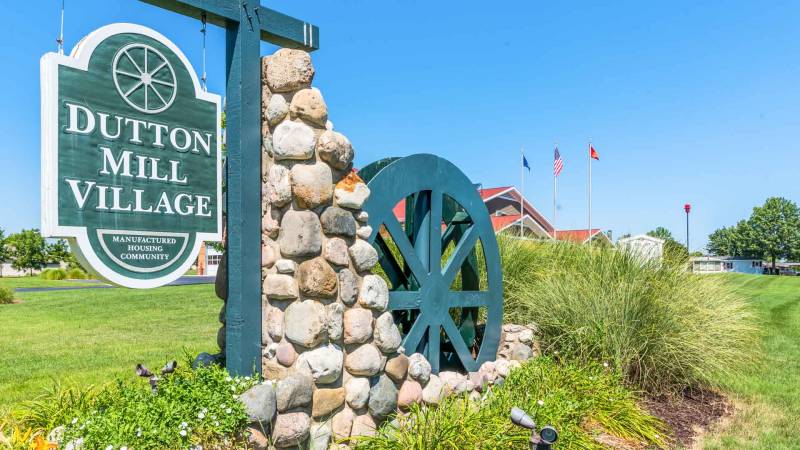
3. Dutton Mill Village – Caledonia, MI

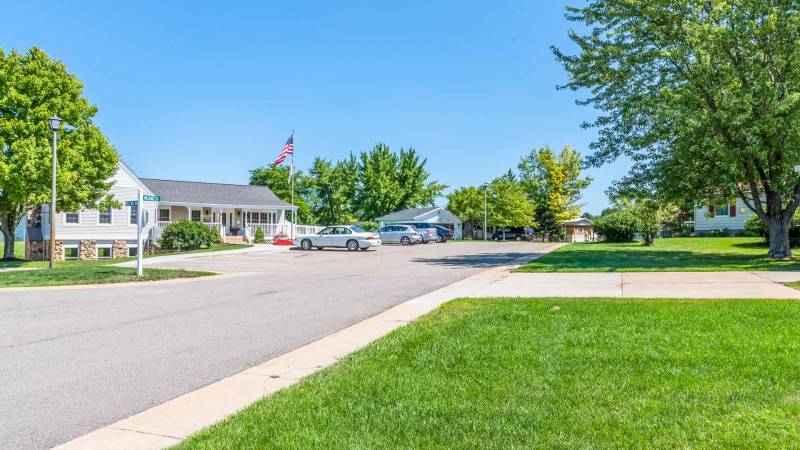
Dutton Mill Village is a lovely all-age manufactured housing community centered in West Michigan. The gated community landscape is surrounded by trees, wooded areas, and friendly neighbors that make a nice environment for families.

If you’re looking for convenience, Dutton Mill’s location is one of its best perks. From shopping and entertainment to school districts and city life, most of what you’ll need is just around the corner.

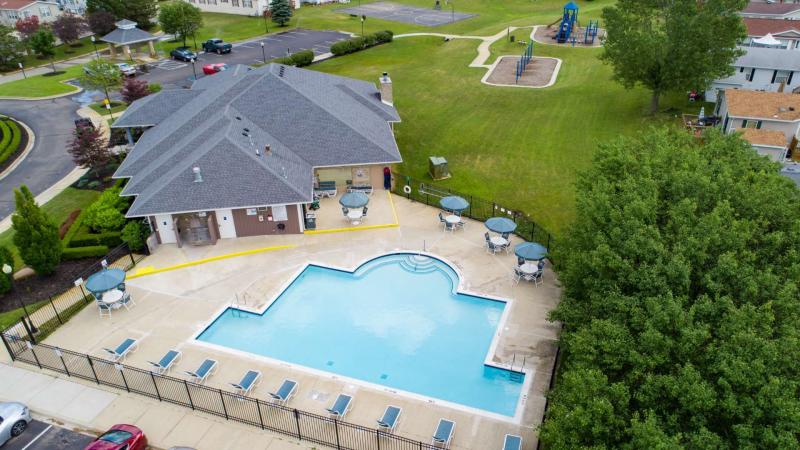
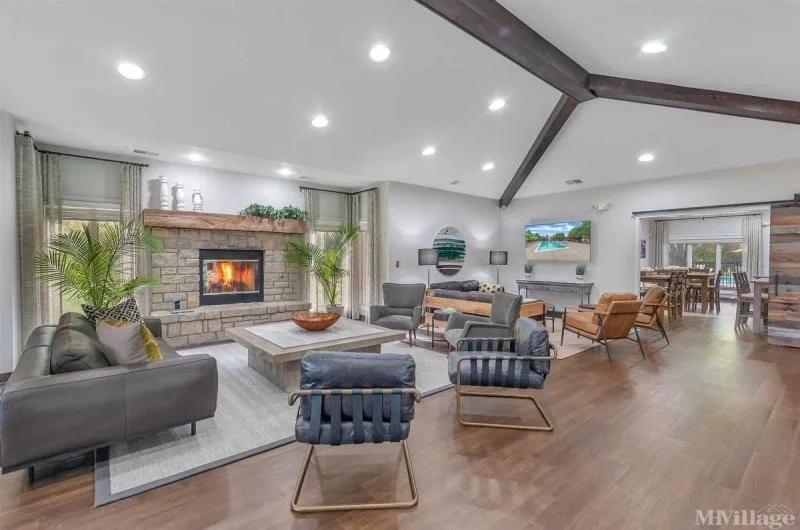
Notable Community Features:
  • Recreational Facilities
  • Sidewalks
  • Clubhouse
  • Playground
  • Pet-friendly

View more community details →

4. Northville Crossing – Northville, MI

Located just outside downtown Northville, Northville Crossing is a stunning manufactured home community with a rare country-like setting that’s tough to find in the Detroit area. The scenery, amenities, and top-notch customer service here very much offer a resort-style living experience. Plenty of fun and enjoyment for residents of all ages.

Notable Community Features:
  • Basketball Court
  • Swimming Pool
  • Playground
  • Recreational Facilities
  • Pet-friendly

View more community details →

5. Augusta Woods – Willis, MI

This award-winning all-ages manufactured home community is located between Detroit Metropolitan Airport and Ann Arbor, along the vibrant I-94 corridor of Southeast Michigan. Augusta Woods is a beautifully landscaped and immaculately maintained community that recently announced the grand opening of its phase II expansion, offering 89 prime home sites for the latest in manufactured home living.

The active community includes a slew of unique amenities that aren’t common for most apartment complexes, traditional neighborhoods, or even other mobile home communities.

Notable Community Features:
  • Pet-friendly
  • Recreational Facilities
  • Swimming Pool
  • Clubhouse
  • Basketball Court

View more community details →

6. Metro Commons – Romulus, MI

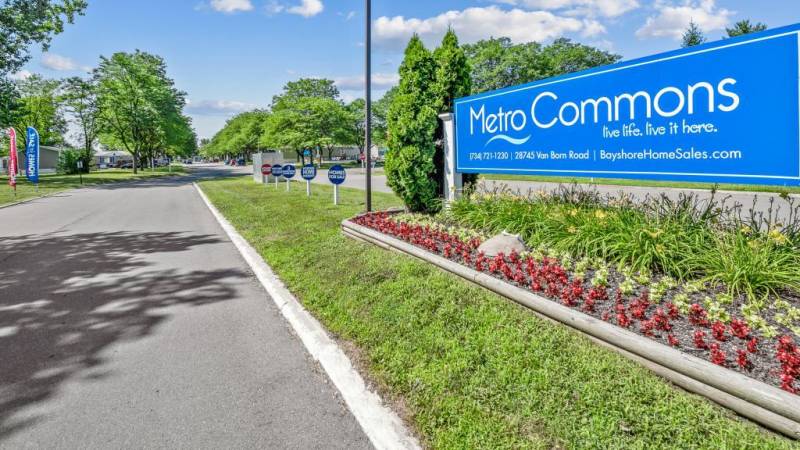
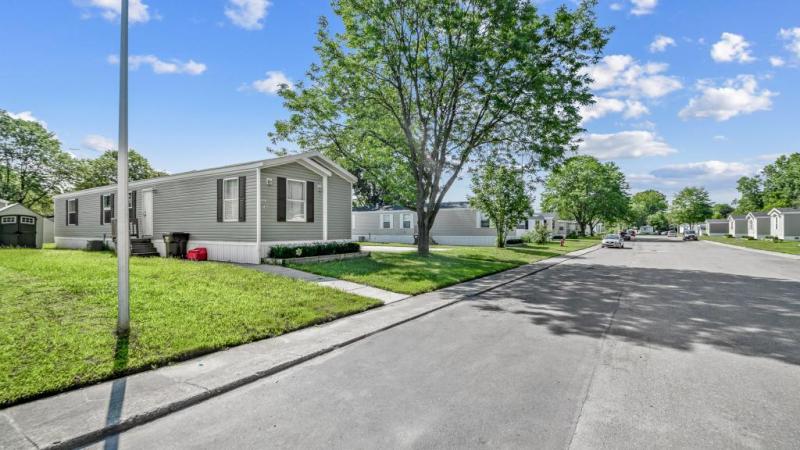
Metro Commons is a wonderful all age, family manufactured home community located in the city of Romulus under new management. State-of-the-art clubhouse, pool, playground, and lots of fun to keep the kids busy. A great place for families to settle down.

The community currently has a number promotions and site leasing specials going on.

Notable Community Features:

  • Pet-friendly
  • Sidewalks
  • Recreational Facilities
  • Swimming Pool
  • Clubhouse

View more community details →

Explore Family Communities All Across the Mitten

Looking for more suggestions to browse? Take a look at some of the popular cities below to find more great selections of all age communities.

8 Smart Storage Solutions for a Mobile Home

mobile home storage tips and solutions

Whether you currently own a mobile home or you’re considering one, finding effective uses of storage space will serve you well. Everyone can appreciate a tidy home. But if you don’t have a ton of excess room to work with, keeping things organized and decluttered is important.

You will enjoy your home much more when it’s less crowded, and it may open up new design or decor ideas for you.

A clean space is a happy space!

So, we thought we would share some tips that might be useful to manufactured home owners. Here are eight smart storage solutions for mobile homes.

1. Kitchen Storage 

Kitchens are one place where people are always looking for more storage, especially in manufactured homes. We need space for small appliances, pots and pans, utensils, and so much more that may or may not be necessary.

Here are some solutions for you.

  • Slide-out storage units are great for small spice jars and condiments. Stay organized and make the best use of every square inch your kitchen gives you.
  • Cabinet organizer sets. There are approximately 10-11″ between shelves in a kitchen cabinet, but a stack of plates are only a couple of inches. Fill that unused space with wire shelves. 
  • Pot and pan lid organizers. How frustrating is it to misplace a lid? Solve that problem with inexpensive lid organizers.
  • Stackable can organizers are the best! Keep canned goods in order and never forget where you put the chicken noodle soup come cold and flu season.

2. Hidden Storage

You can get storage boxes in every shape and size but, problem is, where the heck are you going to put them?

One idea is to create an outdoor seating arrangement, foot stools, or other exterior furniture from plain plastic storage boxes you can buy at Walmart or Dollar General. They’re only a few dollars each. Fill ‘em up and done. Stuff is out of sight and (mostly) out of mind. You can also cover the storage boxes with fabric or other décor if you don’t like the look of plain plastic.

Get creative and look at every space you have. Can something be placed inside, under, on or above it without adding clutter? You’d be surprised how much free space you really have.

3. Under the Bed Storage

Another great storage idea for your mobile home is to use plastic storage bins under your bed. You can buy sliding containers or make them yourself from old dresser drawers. Just look at all that unused space down there! Fill it up and get rid of your clutter. Holy cow! You can walk in a straight line.

Rolling wire storage containers are perfect to store stuff under your bed, and they’re easy to access and allow easy viewing of your items.

Have a low bed? Easy fix! Add risers to create additional storage space and, at the same time, make your bed easier to get in and out. This is a trick many college students use in dormitories and it works just as well in your mobile home.

4. Bathroom Storage Solutions

Make the most out of your bathroom area. This is especially important if you have children. All of that limited space goes fast, so organize smart!

Over-the-toilet space saving cabinets give you private storage and open shelving in an often unused area of the bathroom. You can put hooks on the side to hold towels, robes and other items.

Take advantage of the space behind your door with towel racks and over the door hooks. Whenever possible, use vertical space in small areas like mobile homes. You can use over-the-door hooks for so many things that usually end up on the floor: clothes, towels, washcloths, belts, jackets, purses, satchels…you name it.

5. Shelves

Adding shelves to any room will help you keep things organized and make the most of the limited space you have in your mobile home.

Complete closet shelving systems, like the popular white wire type, are a smart way to increase your storage space. Get creative and use several configurations to create better storage in pantries and closets of all sizes.

6. Hooks 

As mentioned in #4, adding hooks under a wood shelf or to a wall is always a popular and easy storage solution. Keys love hooks and are used to hanging out on them. Hook pots, pans, and other oft-used items in your kitchen. Hook brooms and rakes out of the way outside. 

Ikea’s bar and S-hook storage system is very popular. They’ve created a complete system that includes boxes, cups, and wire shelves that hang from bars with S-hooks. Voila, organization done in minutes.

7. Exterior Storage Ideas

Always think of the exterior of your mobile home when searching for extra storage space. Storage sheds and the space under your mobile home are great places to store items you only need outside or only occasionally inside.

Purchasing additional storage space by installing an exterior shed on your property may be the easiest and best answer. Pre-built metal buildings are affordable, as are easy-to-build Rubbermaid sheds. Once it’s up, boom, you have a bunch of extra storage space. And storage sheds are a much better option than monthly rental storage because they’re much more convenient and cost-effective. No driving. No monthly rental bill.

8. Under the Home

Many mobile home owners keep holiday decorations and yard tools under their porches. Skirting for mobile homes must have an opening that allows for easy access and you can use the extra space for storage. But be careful what you stick under your house. Use airtight and waterproof storage containers, be careful with valuable items and, of course, never store anything perishable.

A little money and creativity can go a long way as you find new ways to store items in and around your mobile home. So get up and take a trip around your home right now. How can you save space in your bedroom? How can you make your kitchen more user-friendly and organized? How can your living area be less cluttered? How can all that stuff in the yard look a little more orderly?

Just a few simple changes here and there can make a big difference and make daily life easier and more livable.

Mobile Home Bathtubs: Repair and Replacement Tips

Mobile home bathubs

Working on improving your mobile home and fixing all sorts of troubles can be challenging. Mobile home bathtubs are among the potential issues that can create the most problems if not fixed on time. Whether you choose to repair or replace your bathtub, here are a few of the best tips that will help you do it in the least painful way.

To repair or replace – that is the question!

Before you start making any changes to the mobile home plumbing, it is crucial first to determine the problem. The state of your mobile home bathtub will tell you whether it is worth fixing or not. You can quickly and easily repair some issues, while some cases call for a replacement as the best course of action.

If your bathtub is made of plastic, the appearance of cracks will imply replacement in 99% of the cases. On the other hand, fiberglass is more not only durable, but you can repair it as well.

Mobile home bathtub replacement tips

Fixing a plastic bathtub

Let’s see what situations constitute the 1% of cases when you can actually fix a cracked plastic bathtub.

First of all, it is essential that the crack is not too large. There are two ways in which you can cover small cracks:

  • Epoxy repair kit – it is very easy to use, and the color matches the bathtub, so the fix will almost be invisible. Remember that any movement of the fixed part can widen the crack, causing an even bigger issue.
  • Tub repair tape – this quick-fix solution is not the best option if you want it to be an invisible one. However, if you are willing to prioritize the practical side over an aesthetic one, it is a much better solution. The tape is flexible, and it moves with the crack, so it will not reappear. However, if the crack runs, the tape will not be of much help.

Replacing a mobile home bathtub

If you determine that the issue is impossible to fix, it is better to replace the bathtub. In case you are renting a mobile home, it is best to first speak with the landlord about everything. Nevertheless, let’s cover all the steps of the process so you are familiar with what may await you.

Check the bottom of your bathtub

Either Styrofoam or plastic legs support the bottom of the bathtub. Before getting a new bathtub, make sure to check this part. If you are wondering what the difference is, know that a bathtub with plastic legs is a necessity if you have a sewer line running below it. The danger of having plastic legs supporting your bathtub is that the legs might crack if the subfloor is not entirely flat and leveled. On the other hand, if you don’t have pipes under the tub, Styrofoam is a much better solution because it is more stable.

Once you know the technical side of it, you can pick the color and the size most suitable for your bathroom.

How to remove the bathtub

The first step in the process of removing a bathtub is to shut off the water. It is necessary to unscrew and drain all the pipes. You can either take apart the p-trap or remove the pipe directly from the drain. Bathtubs with an overflow have another line attached to them.

Once you remove the waterline connections and nuts from the back, you can remove the faucet. Also, keep in mind that older faucets may need disassembling as well.

When removing a faucet, carefully follow instructions.

Before you can remove the bathtub, you need to cut out the surrounding material. Carefully cut the top, trim it with a utility knife, and then pull the stripes off the wall. Once you have removed the surrounding material, you will see the lip of the bathtub. Just remove the screws and slowly remove the bathtub.

Installing a new bathtub

Before putting a new bathtub in place, check if the supporting rim boards are set. Furthermore, if the old skirt track doesn’t need replacing, leave it. Otherwise, put a new one that came with the tub.

Another best practice is also to replace the faucet, install new waterline ends, and a new drain. Even if the old ones look good, they probably won’t seal tightly after being removed. If there is one thing you don’t need after installing a new bathtub, that’s leaking.

Are you thinking about whether you should replace a bathtub yourself or call a professional plumber?

Now that you have seen what is necessary to replace a bathtub in your mobile home, think carefully about whether you should do this on your own or call a plumber. If you are savvy with the plumbing fixtures and you understand the explanations above, by all means, go for it. However, if there are a few steps you don’t understand, or maybe don’t have the proper tools, you would be much better off calling a plumber. Otherwise, you could risk causing even more damage.

Moving a bathtub to a new home

If you decide to move to a new mobile home at one point, you will need to understand the process of removing and installing the bathtub. Used homes probably have issues, so it will be a good idea to check the bathroom as soon as you have the chance.

In case there is a fair offer on the table, you can take it knowing that you can quickly solve the bathtub issues, should there be any. Furthermore, remember to make a deal with a reliable relocation company, so you don’t have to waste energy or time planning a move on your own.

Repair and replacement tips for mobile home bathtubs made easy

Even though the entire process might sound complicated, a bathtub can be replaced in under 30 minutes if you know what you are doing. Nevertheless, consulting with a professional plumber cannot be a bad thing. Some homes have more issues than you can notice, so an expert’s opinion will always be necessary. Remember these repair and replacement tips for mobile home bathtubs; you never know when you might need them!

EVENTS

Tour New Manufactured Home Models at the Novi Home & Garden Show, March 28...

If you live in or around Southeast Michigan, then your opportunity to tour the newest manufactured homes is here!The Novi Home & Garden Show,...

Visit The Novi Home Show and Tour Six New Model Homes, Oct. 11 –...

Heads up, Southeast Michigan! The Novi Home Show will host six stunning manufactured homes for public display at the Michigan Manufactured Housing Association (MMHA)...

Tour Six New Manufactured Homes at the Novi Home Show this Weekend, Oct. 7...

This weekend, October 7th through the 9th, 2022, is your opportunity to tour six model homes as part of the Manufactured Home Showcase.  The Showcase,...