Home Blog Page 16

The Homeowner’s Guide to Mobile Home Skirting

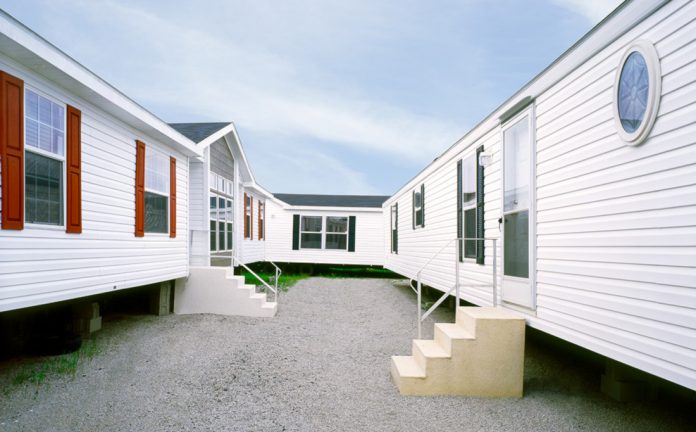
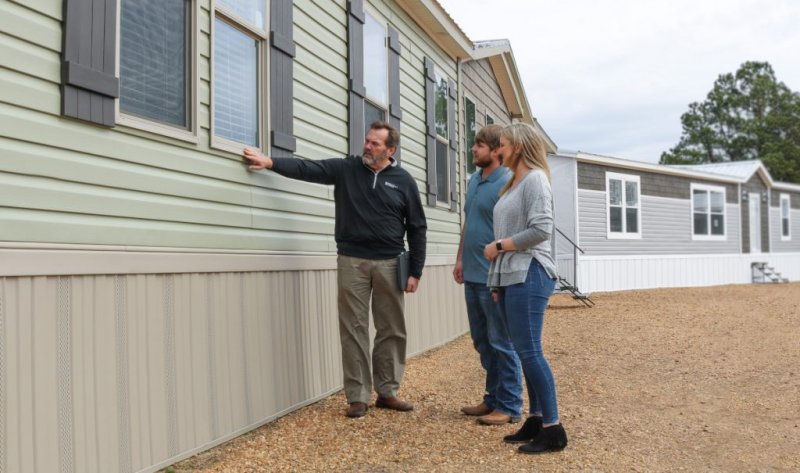
Mobile home skirting (also called mobile home underpinning) is a barrier made from hard material that protects the underside of your manufactured home and keeps it safe from all kinds of threats. While it’s an often forgotten component of mobile home maintenance, your home almost certainly needs it.

Mobile home skirting is required around a manufactured home’s bottom exterior to keep away pests and moisture. Additionally, the installation of skirting can enhance the visual appeal of the home by masking piers, tie-downs and the concrete slab.

Many online marketplaces and corner hardware stores sell mobile home skirting. However, the question remains…what look is best for you? What features should you look for in mobile home skirting, and what material is best to use?

The Key Benefits of Skirting for Mobile Homes

Many manufactured homes use a pier and beam foundation, which means the homes sit a few feet off the ground. To cover the gap between the home and the ground, homeowners use skirting for a smooth, seamless finish across the entire home.

Skirting fulfills important functions such as:

  • Helping your home maintain a more consistent temperature and keeping moisture away
  • Preventing animals from nesting under your home 
  • Protecting your home’s foundation and plumbing from weather conditions
  • Enhancing the visual appeal of your home by providing a finished and stately look for your home 

In addition, federal Housing and Urban Development code requires skirting on any manufactured home. 

Standard vinyl skirting comes in 12-foot long panels. It’s cut to width for the average height off the ground from the bottom of the home. Vinyl is the least expensive option (more on that below), and comes in solid panels or panels with ventilation holes.

Types of Mobile Home Skirting

Many types of mobile home skirting are available, but the most common are:

Vinyl mobile home skirting

  • Vinyl Mobile Home Skirting: The most popular choice, thanks to its cost-effective nature and ease of installation. Vinyl mobile home skirting is a solid choice, but note that it can be vulnerable to moisture and needs to be vented well (see below). 
  • Brick and Cinderblock Mobile Home Skirting: These are great options for a homeowner who plans to stay put. Brick and cinderblock are pricey and labor-intensive to install, but they provide great insulation and are extremely durable. 
  • Wood Mobile Home Skirting: Wood skirting looks great on a manufactured home, particularly if paired with wood paneling. But it retains a lot of moisture, meaning that ventilation is especially critical. Varieties with water-resistant features like pressure-treated wood or cedar should be strongly considered.
  • Metal Mobile Home Skirting: Metal skirting made from steel, tin or aluminum is a perennially popular option. It’s durable, lightweight and relatively affordable. Like metal siding, its only real disadvantage is that it can be dented easily and that some types are vulnerable to rust.
  • Faux Stone Skirting: Faux stone skirting is a stylized choice of skirting material for mobile home owners, given its low maintenance and durability. Since faux stone skirting is typically made of plastic, but made to look like stone, some types may be more durable than others. 
  • Cement Board Skirting: A highly durable option, cement board skirting – sometimes known as “hardie” skirting – comes in sheets, or blocks, and is one of the pricier options you’ll come across. Like with vinyl skirting, you’ll want to monitor for moisture over time to ensure the material doesn’t warp or crack. 

Each type of skirting has different components. Vinyl skirting, for example, requires top and bottom tracks, a front piece, and screws to hold it in place. Buying your skirting from a reputable mobile home parts supplier will help ensure that you get all of the parts you need. 

mobile home skirting mobile home curb appeal

What You Will Need to Install Mobile Home Skirting

If you’re the do-it-yourself type and are interested in tackling the mobile home skirting installation on your own, here are a few tips to help you with the project:

Make sure you have the necessary equipment. The following tools will be required to install your own skirting:

  • Drill and bit
  • Hammer
  • Tape measure
  • Wood stakes
  • Tin snips
  • Spikes
  • Nails
  • Level
  • Utility Knife

If you’re a homeowner with some handyman skills, replacing skirting on a single-section home could take you most of the weekend. On the other hand, it’s worth knowing that an experienced installer can finish most skirting-related jobs in about a day. You can typically expect to pay around $45/hour if you prefer hiring a professional for the project.

How Much Mobile Home Skirting Does My Home Need?

For a basic calculation of your mobile home’s skirting requirements, you’ll first need the total linear footage of your manufactured home. To find this, measure the length of all side of your home and porch, and add them together. You’ll also need the average distance of your home from the ground. To find this, go to each corner of your home and measure the distance from the ground to a point two inches above the bottom of the home. Add the numbers up and divide by the number of corners to find the average distance.

For more details, look at any of the instructions for measuring mobile home skirting available online. Pro tip: Purchase all of your skirting from the same source and at the same time so that you don’t get mixed lots that can result in mismatched colors and bad fits. 

How Should I Vent My Mobile Home Skirting?

Venting is an important part of mobile home skirting installation because it prevents moisture from building up behind the skirting. Any new skirting should have vents installed in it, with a recommended ratio of 1 square foot of vent space per 150 square feet of manufactured home flooring. Make sure to place some vents close to the corners of your home to improve air circulation, and use screens on your vents to allow air to pass through without letting animals in. Unwanted moisture under the home will create mildew and possibly buckle the home’s floor joists, which is particularly common in wet states like Louisiana and Michigan.

A ground vapor barrier is another good way to control moisture under your manufactured home. GVBs are plastic barriers placed directly on the ground to prevent moisture from seeping up into the foundations of your home. They can greatly reduce the amount of moisture that needs to be vented out through your skirting. 

Faux and textured panels are solid and trap ground moisture below the home. The recommendation is to only use the solid panels on three sides of the home and to use a ventilated material on the rear of the home. This approach provides some ventilation, but is less effective than having a home ventilated on all sides.

Should My Mobile Home Skirting Be Insulated?

Some manufactured home experts maintain that skirting should always be insulated, while some say separate insulation isn’t necessary. If you live in a colder climate, it may be worth investigating foam-insulated skirting, which comes pre-made with foam insulation backing. Again, experts disagree on whether it’s cost-effective, but it can be a potential difference-maker for some manufactured home owners. 

Learn more key information about mobile home remodels and upgrades that make a manufactured home safe and enjoyable.

faux brick mobile home skirting

Mobile Home Skirting Maintenance

Skirting of nearly any variety can sustain damage or be destroyed by a weeder, among other lawn equipment. This will be unsightly and provide access for water to enter.  Additionally, these compromises in the mobile home skirting provide an animal gateway to chew on wiring and harm other utilities. Worse yet, they could take up residence under your mobile home.

There are two primary approaches to beating back skirting damage caused by weeding. First, consider putting down a few inches of plastic and landscaping stone around the skirting. Second, you can spray chemical weed killer, which tends to yellow the surrounding foliage. But, as a result, the remaining spray could be toxic for pets and children.

Want more tips for improving your home exterior? Check out our guides for mobile home siding, mobile home porches, and mobile home steps.

Four Financial Benefits of Living in a Mobile Home

mobile home sales tax

Mobile home buyers can save some serious coin versus traditional homes, and this can come in handy for the financially conscious. Fixed housing payments, whether a mortgage or rent, are likely your largest fixed monthly expense. Housing is a necessity, and the less you have to pay for it, the easier life will be.

Mobile homes come in many sizes, designs, and materials, so you have plenty of options to suit your lifestyle and budget. Whether you’re a single homeowner or have a large family, there are plenty of comfortable, safe, and cost-effective options to choose from. The economic advantages of owning this type of home can be huge and make it well worth the effort. 

Here are four cost-friendly benefits of living in a mobile home:

1. You can live more simply

Many people choose to move to a manufactured home to live more simply or modestly. This type of “less is more” attitude has been scientifically proven to improve the mental well-being and overall health of those who adhere to this lifestyle. According to U.S. News and World Report, favoring “the environment over material consumption and income has been linked…to improved environmental sustainability [and] boosted mental and physical health.” So, for those looking to embrace frugal, simple living, purchasing a manufactured home is a viable option for many.

2. Today’s mobile homes are safe, quality-controlled and built to last

While it might seem that mobile homes are more vulnerable to weather, this is simply untrue. Manufactured homes built after 1976 have significantly raised quality standards and requirements for these types of homes as a result of revised coding from the U.S. Department of Housing and Urban Development. 

Now, all manufactured homes are required to be up to strict code requirements to ensure safety and quality of life. This includes the home’s heating and air conditioning systems, fire safety, plumbing, electrical systems, structural design, construction, energy efficiency and transportation.

The Manufactured Housing Institute notes that today’s manufactured homes are “engineered for wind safety and energy efficiency based on the geographic region in which they are sold.” If you’re purchasing a manufactured home in California, for instance, you can have peace of mind that it has been built to withstand occasional rain and earthquakes. Today’s “mobile” homes are actually held in place by steel anchors.

3. Purchasing a manufactured home is environmentally sound

If you’re hoping to save costs on utilities while benefiting the environment, then purchasing a manufactured home could be a very smart investment. Manufactured homes yield significantly less waste and environmental impact than site-built housing, making them much more eco-friendly than standard site-built homes. 

And since manufactured homes are created in a factory and assembled on site, getting them to a mobile home community leaves a much smaller environmental footprint. When building a traditional home, raw materials must be moved to and from the construction site daily.

Also, since your manufactured home may be less spacious than your former traditional home, you’ll have lower maintenance and utility bills.

4. You won’t break the bank when purchasing a manufactured home

Possibly the most attractive feature of buying a manufactured home is its low cost. Compared to site-built homes, manufactured homes offer much more bang for your buck in terms of dollars per square foot. 

Today, the Manufactured Housing Institute reports that the average price for a new, single-wide mobile home is $45,000, with the average price for mobile homes overall coming in at $81,900. Today’s average price of a new, site-built home? $408,000, according to Statista.  

A monthly payment for a mobile home may be in the hundreds, which is next to nothing compared to monthly mortgage payment for a traditional home in the thousands based on the above numbers. Owning a manufactured home is even cheaper than most rental rates. Considering their affordability, manufactured homes are one of the best options for obtaining home ownership without breaking the bank. Plus, think how much less stress you’ll have with that significantly lower payment? That’s huge.

If you decide to pull the trigger on buying a manufactured home, you’ll experience the huge monetary benefits for yourself. It’s possible to save hundreds, if not thousands of dollars per month by purchasing a manufactured home. This means you won’t need to work as hard to pay the bills and you can spend more of your income on things you enjoy — travel, family, events, investing, another child, or whatever you choose! Give mobile home ownership a long, careful look. The benefits are numerous and obvious.

Understanding the Current Manufactured Home Selling Market

It’s crucial to have an in-depth understanding of the current manufactured housing market to successfully sell your mobile home. Today, the mobile home market is very competitive, and the demand for manufactured housing is intensifying. So, what does this mean if you are trying to sell? Well, it means you need to do your homework and figure out the exact market where you’ll sell your manufactured or mobile home. Despite the current market volatility, the mobile home market appears to be holding on to its seller’s market status.  This is important because, as a seller, you have more negotiating power in such a climate.

Nevertheless, if this is your first time putting a mobile or manufactured home on the market, you need to prepare yourself for the road ahead. The good news is there are a variety of things you can do to come out on top and sell your mobile home in record time. Of course, before we can get into the tips and how-to’s, let’s review some of the basics.

The Current Manufactured Housing Market

At any given moment, the mobile housing market can be a buyer’s, seller’s, or balanced market. Depending on your specific locale, you may have more of a buyer’s or balanced market at this time. That said, the national manufactured housing market is leaning towards a seller’s market. 

As the current mobile homeowner, selling your home might be easier right now. However, it’s important to know the value of your home, what mobile or manufactured homes are going for in the area, and if other conditions are ripe for you to sell.  

For instance, most people do not like moving in the dead of winter; thus, regardless of your current market, it would not be wise to try and sell during the winter months given the frigid weather conditions. The best time of year to put your home on the market is spring in most areas – typically the first two weeks of May

Likewise, if you list your home for more than it is worth because you know mobile homes like yours are in demand, you might be turning off potential buyers. Therefore, you should base your asking price off of your appraised market value. In order to figure out the present value of your home, you should look at both recent sale prices of comparable mobile or manufactured homes in the area and the asking price of currently available homes. This will give you a rough idea of your home’s market value. You should also factor in proximity and timing when attempting to use comparable mobile home sales to determine or support your ideal offer. 

Selling in the Current Market

Now that you have learned a thing or two about your current selling market, you might think it is time to get to work. In terms of mobile home buyers, it is important to remember that you generally have two types – cash and payment buyers. While cash buyers have become more frequent in the general housing market, they’re still a rarity. As a result, you can expect to deal mainly with payment buyers, who typically utilize lender financing and pay a down payment. The down payment should be high enough that your potential buyer does not default, but not so outrageous that it scares them off.

Top Selling Tips

There are several things you can do to sell your mobile home right now, like setting the right price. As mentioned, the right listed price can make a world of difference when it comes to selling in a seller’s market.  Of course, you should ask for a little more than market value, as you ultimately want to make a profit. Nonetheless, the listed price needs to be within reason. 

In contrast, setting your price below market value can easily incite a bidding war, which might be what you want. A bidding war allows buyers to offer substantially more than the asking price without making you look like the bad guy. However, this is still a risky move. If you are trying to sell as soon as possible, you need to be open to tinkering with the price. We suggest taking some time to figure out an acceptable range so that you do not feel like you are getting cheated if and when you lower your listed price.

Another useful tip is staging your mobile or manufactured home.  

First and foremost, you should declutter your interior and exterior before staging, as you want the living space to feel open and fluid. A great option during this time is to rent a storage unit and move unused items or furniture into storage. You can also get a head start on your donations and set up a free pick-up before you have an open house. Other staging ideas include rearranging your furniture, doing a deep clean, painting your interior with neutral and inviting colors, and working on your home’s curb appeal. If staging is not your thing, then you think about hiring a professional to help spruce up your mobile home prior to listing.

Besides staging and setting the right price, you’ll likely consider multiple offers and should be ready to move quickly. Since it is a seller’s market today, you will likely receive more than one offer on your mobile home. With your real estate professional’s help, you should sit down and carefully consider each offer. In other words, do not jump on the first offer you get. And remember-  it is okay to counteroffer! In fact, you can counteroffer with all bids you receive. Lastly, one commonly overlooked selling point is being ready to move out sooner rather than later. If interested buyers are looking for a new home immediately, you can negotiate a better price for yourself if you can move out at a moment’s notice.

Learning More

Ultimately, selling your mobile home and understanding the current market go hand-in-hand. Thus, if you are looking to learn more or educate yourself on the manufactured home selling market’s inner workings, then there are a few resources at your disposal.

16 Foot Wide Mobile Homes – 10 Fantastic, Compact Options

Fantastic, compact 16 foot wide mobile homes

Are you an upcoming homebuyer searching for mobile homes with a classic style? 16 foot wide mobile homes are compact, but comfortable places to call home – no matter their length. Mobile home models come with just the right amount of space, not forgetting they’re cost-effective! A variety of 16 foot wide mobile homes are available for homeowners to make the most out of their investments while still sticking to their respective budgets.

You can find a ton of variety with single section sizes – from 16 x 40, 16 x 48, 16 x 72, to 16 x 80…the list goes on. There’s something for everyone. While it can be daunting to settle on a particular one, in this article, we present you with ten fantastic, compact options of mobile homes to ease your search.
Rosehaven Estates & RV Resort

10540 E. Apache Trail, Apache Junction, AZ 85120  

Age-restricted community, 55+ years

  • 2 beds, 1.5 baths
  • 16 x 48
  • Price: $56,225

The 10540 E. Apache Trail is a beautiful 16 x 48 mobile home situated in one of Arizona’s most coveted communities. Rosehaven Homes isn’t just a living space; it’s a home that’ll enable you to thrive. It offers an open floor plan and vinyl flooring in all living spaces.

The home also features ceiling fans in the bedrooms, a kitchen island for top-notch entertaining, and an upgraded, energy-efficient insulation package.

Rosehaven 16 x 48 mobile homes have multiple calendar activities, including billiards, BBQs, and shuffleboard, as well as various amenities like an internet café, gym, and office. This mobile home is tailored for everyone seeking an adventurous retirement lifestyle. 

You can either buy a mobile home for your winter vacations or full-time living. Owning a home at Rosehaven Estate will cost significantly less than home mortgage costs or renting an apartment.

Hidden Falls 

6359 Bells Ferry Road, Acworth, GA, 30102

All-ages community 

  • 1 bedroom, 1 bathroom
  • Buying Price: $60,288
  • Rental Price: $1,165

This brand new 16 x 40 mobile home in Hidden Falls brings any homeowner a high-end one bedroom, one bath option for their next (or first!) manufactured home. Featuring vinyl flooring throughout, faux countertops in the kitchen, and much more, this mobile home sits in a wonderful Georgia mobile home community with a playground, clubhouse, swimming pool, and off-street parking.

Holiday Village

701 S. Dobson Rd, Mesa, AZ 85202

16 x 48 mobile home in Mesa, AZ

Age-restricted community; 55+ years

  • 2 bedrooms, 1 bathroom
  • 16 x 48
  • Price: $44,600

The Holiday Village is a brand new 16 x 48 mobile home situated in Mesa, AZ, and it features one bathroom and two bedrooms. The kitchen is furnished immaculately with various brand-new appliances. It boasts a spacious and comfortable living area with wood-style floors, low-insulated vinyl windows, and premium entry doors. 

Whether you’re ready to downsize or becoming a retiree in need of a new home to settle in, the Holiday Village mobile home will provide you with privacy while still allowing you to enjoy community amenities and social events.

Woodland Trails

42 Pheasant Glen, Collinsville, IL, 62234

All ages community

  • 3 bedrooms, 2 bathroom
  • Price: $75,900

This spacious 16 x 72 mobile home in the Woodland Trails community in Collinsville, IL is great for larger families looking to downsize their home. While the price is higher than the other homes on this list, the Pheasant Glen offers three bedrooms and two bathrooms all under a peaked roof. 

And, the home is situated nearby the water, a local golf course, and parks, offering a number of recreational options for residents. The community additionally offers off-street parking and allows for up to two pets.

Gardena Villas

16949 Western Ave Space 84, Gardena, CA 90247

All ages community

  • 1 bedroom, 1 bathroom
  • Price: $99,900

Whether you’re a retiree who wants to reduce home ownership-related costs, seeking to become a first-time homeowner, or just seeking to trade in for an affordable yet beautiful new home, Garden Villas are perfect for you.

This 16 x 48 mobile home has one bedroom and one bathroom. It also features vaulted ceilings, a textured and aesthetically pleasing finish on ceilings and walls, carpeting in the living area, a laminate finish with a backsplash on the countertops, and dual glazed windows framed with white aluminum.

Recommended: Want something cozy? These small mobile homes are incredibly charming

Marion Village

161 Cedar Drive, Marion, IA 52302

All ages community

  • 1 bedroom, 1 bathroom
  • Buying price: $52,917
  • Rental price: $850

If you’re looking for a spacious, one-bedroom 16 x 48 mobile home, Marion Village will surely meet your needs! This home is equipped with an open floor plan kitchen with plenty of storage space. In addition, you have the advantage of watching your TV as you cook.

The bedroom features a spacious walk-in closet, with double-sinks sinks in the bathroom. And, you can even enjoy the basketball court nearby, alongside other amenities.

Country Roads

6539 Townsend Rd, Jacksonville, Florida 32244

16 foot wide mobile home in Jacksonville, FL

All ages community

  • 2 bedrooms, 1 bathroom
  • Price: $56,500 

The Country Roads 16 x 48 mobile homes are well-maintained and professionally managed. This home is excellent for people with small families or people looking for their first home. Apart from the buying price, there’re also monthly site fees. In addition, the Country Roads community offers excellent amenities such as boat/RV storage, a basketball court, recreational facilities, and laundry facilities. 

Palm Grove Mobile Home Park

1624 Palm St, Las Vegas, NV 89104

Age-restricted community; 55+ years

  • 2 bedrooms, 1 bathroom
  • Buying price: $54,900
  • Rental price: $1,175

Palm Grove Mobile Home Park is a well-maintained and professionally managed community. The 16 x 48 mobile home here features one bathroom and two bedrooms. However, the home comes with nominal lot fees apart from the buying price.

Located in Las Vegas, this home is ideal for retirees. Various amenities are available, including off-street parking, a clubhouse, and recreational facilities.

River Oaks

1010 S. 74th. Terrace, Kansas City, KS, 66111
All ages community

  • 3 bedrooms, 2 bathrooms
  • 768 sq. ft.
  • Price: starting at $59,900

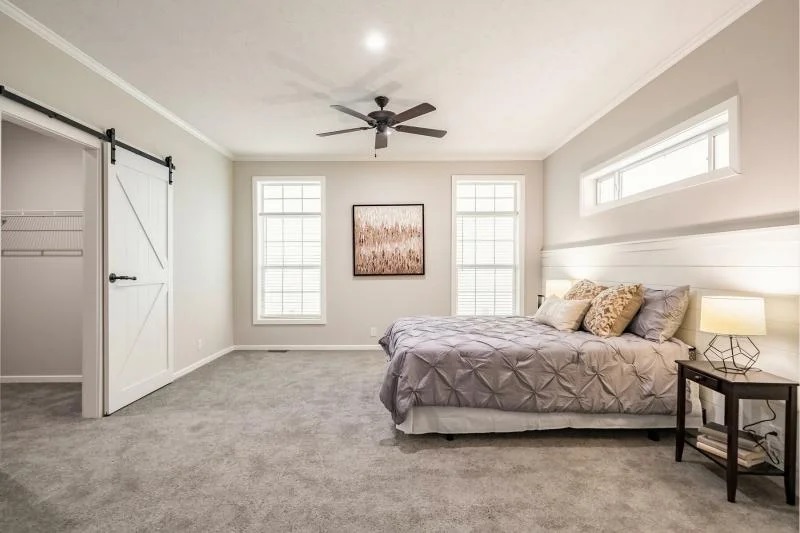
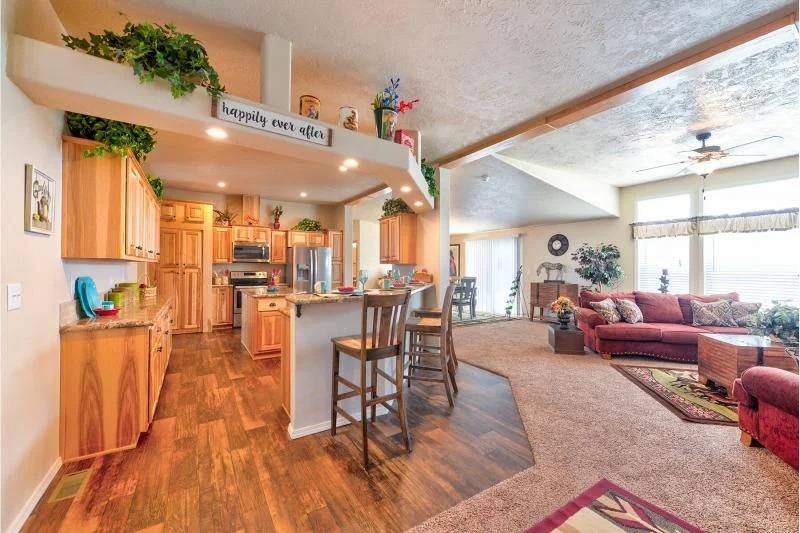
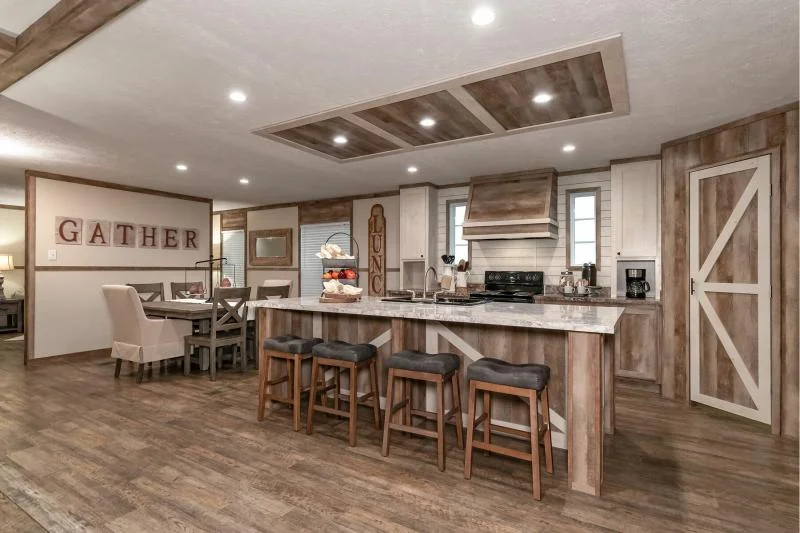
This wonderfully spacious 16 x 70 mobile home in the gated River Oaks community provides residents with ample living space and privacy. With an open living room area and wide kitchen with seating at the island, residents will have plenty of room for dining and entertaining. The mobile home features three bedrooms and two bathrooms, and a number of customizable options for this home are also available. 

Outside of the home, the community features a number of amenities, including a luxurious swimming pool, clubhouse, Boat/RV storage, and a basketball court.

River Oaks Mobile Home Park

3416 Kramer Lane, Louisville, KY 40216

All ages community

  • 2 bedrooms, 1 bathroom
  • Buying price: $47,900
  • Rental price: $1,895 

River Oaks is a maintained and professionally managed community. This 16 x 48 mobile home features sidewalks and off-street parking. With its affordability, the house is ideal for someone that is just starting life as a homeowner. There’s also the convenience of local parks, various shopping destinations, and nearby highways for easy travel.

On the Hunt for a Home?

Whether you’re searching for an adventurous retirement lifestyle, have a small family, or just starting life, settling on a 16 foot manufactured or mobile home can be an excellent choice for you.

These homes are not only affordable but they’re also built to cater to everyone. Apart from purchasing for full-time living, you also have an option to rent for your winter vacations. Furthermore, there are mobile homes for short-term and long-term rentals at a lesser cost than home mortgages and apartment rentals, availing you with easy financing! Start exploring homes here for more information.

Is Manufactured Housing Right for You?

Is Manufactured Housing Right for You?

Whether you are buying your first house, a starter home for your family, or your forever home in retirement, most are looking for a way to save on their home buying costs. This cost-effective mindset is what leads many home buyers to the idea of manufactured or mobile homes. 

Like any major decision, deciding what best suits your needs may best be achieved with a good old-fashioned pros and cons list. Before writing out each item, be sure you are informed about manufactured homes as they compare to other affordable housing options currently available on the market. 

Mobile homes are manufactured homes built before the HUD code governing standards for factory-built homes was instituted in 1976. Modular homes and manufactured homes both fall into the category of “prefabricated homes”. Modular homes are pre-built in sections at a factory site and then are transported to and finished on location at the home buyer’s property. Manufactured homes are pre-constructed completely in the factory on a permanent steel chassis. Manufactured homes can be located on private property, but many homeowners choose to live in mobile home parks or communities. 

Now that we’ve outlined the difference, how can you tell if a manufactured home is the right form of affordable housing to meet your needs?

Questions to Ask Yourself First

What size is right for you and your family?

Consider how large your current living arrangements are, and how much of that space your family uses. Make a list of wants and needs with the other members who will be living in your household.

Keep in mind you should plan for any possible family expansion, frequent overnight guests, or children who are nearing the age to leave the house to get an accurate picture of how much space is needed before buying.

mobile home sizes and dimensions
Learn more about the different sizes of mobile homes

Do you own land or need to finance?

In many heavily populated areas, land is scarce and expensive. In other places, the local laws only allow site-built construction on land. The size of your land parcel will largely dictate how big of a manufactured home can be safely delivered there, while leaving space for utilities and hook-ups.

Mortgage lenders usually offer loans to buyers of land and what are considered ‘permanent structures’ built on it. Manufactured homes can only be considered for traditional mortgage loans if the axles are removed and the structure is placed on a concrete foundation or basement. This can greatly affect one’s ability to obtain financing for a manufactured home.

Are you planning to buy new or used?

Buying a manufactured home can have advantages regardless of whether you go the new or pre-owned route.

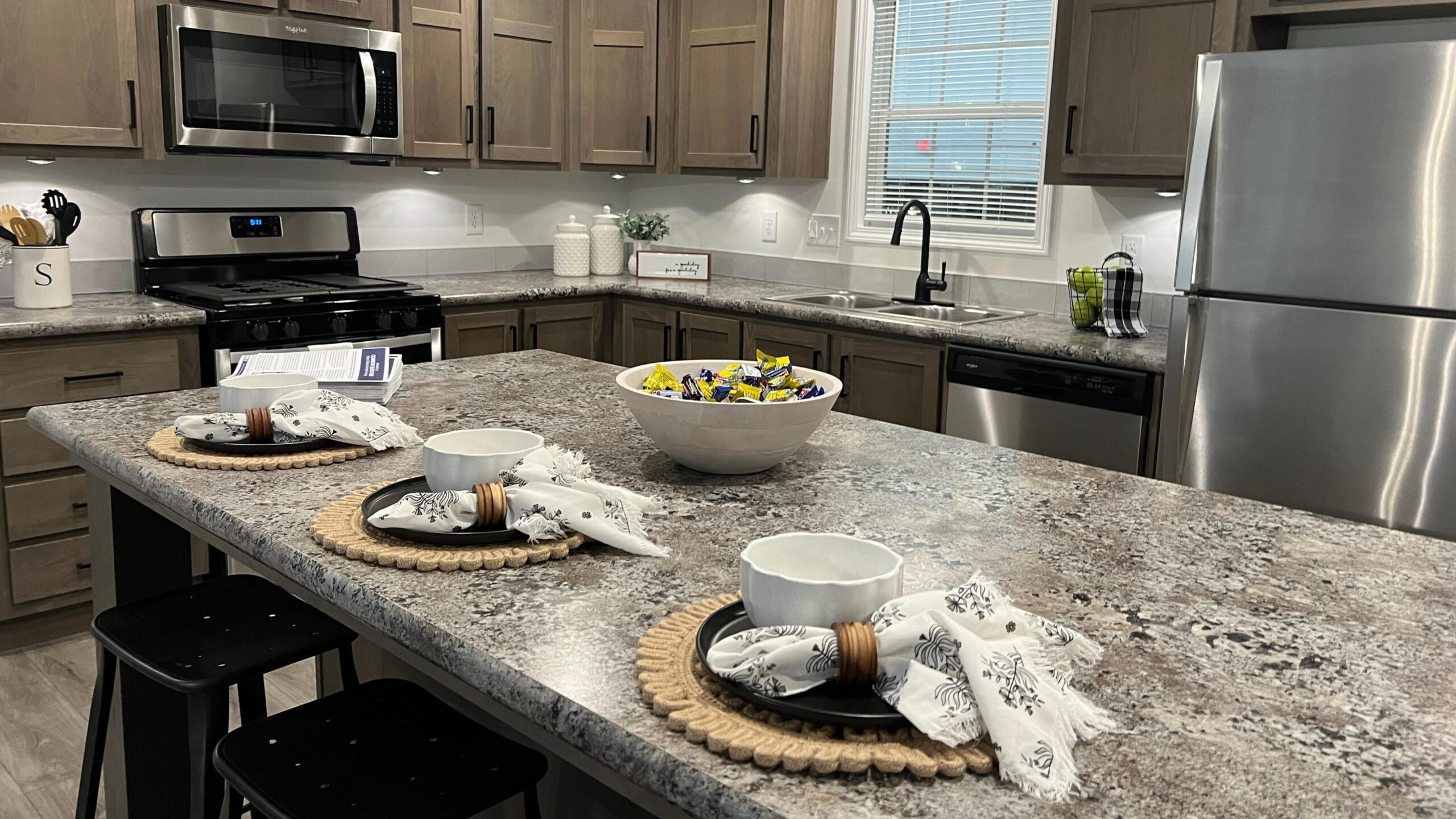
Purchasing new manufactured homes allows you to choose the exact layout and size you want. In addition, you can choose all the custom features you want like countertop material, custom cabinetry, or soaking tubs and fireplaces. 

The main advantage of purchasing used manufactured homes is the lower price. However, like any used home purchase, you want to have it inspected and also have the chassis (if still fixed) and structural integrity inspected for the long-term safety of the home.

The Pros of Manufactured Housing:

  • Affordability

One of the most recognized benefits to manufactured homes is their affordability. Manufactured homes have become a great option for first-time home buyers and retirees with a limited budget.

Because they are mass-produced and built on assembly lines, manufactured homes cost less to make. As of September 2018, the median price of a home in the United States was $225,000. Comparatively, the average manufactured home price hovers around $87,000. 

Manufactured home buyers historically spend up to 20 percent less on housing than those building or investing in traditional, stick-built homes.

  • Luxury for Less

Lower base prices considered, buyers can usually add upgrades to manufactured homes that might take the price of a traditionally built home out of their budget. Manufactured housing makes upgrades like a soaking tub, fireplace or granite countertops much more attainable. Some buyers even opt for adding square footage to get a bigger living space for less.

  • Eco–Friendly and Energy-Efficient – Manufactured homes are energy-efficient,  including upgraded insulation both under the building as well as in the walls. Energy efficiency by way of on-demand water heaters, energy saving appliances, and energy-efficient windows are standard in most models. 
  • Quality Builds

Manufactured homes are built inside a factory in accordance with HUD codes. They must meet structural integrity standards, design specifications, energy efficiency standards, and fire spread ratings. Additionally, the factory-built process ensures no weather damage comes to the home during the build process, unlike site-built homes.

  • Fast, Efficient Install

While traditional homes can take months or years to build, manufactured homes typically average about three months. Since the home has premade sections, the final installation moves much more quickly. This leaves little room for error on the assembly line and no weather delays to affect production in the same way that it does a site-built home. 

  • Low-risk construction

Traditional homes experience delivery delays, theft of materials, and weather damage. However, with manufactured housing, these risks are greatly minimized and often completely avoided throughout the factory-built process.

The Cons to Manufactured Homes:

  • Long-Term Appreciation of Value 

While location is typically the biggest variable and predictor of value, appreciation rates of manufactured homes are traditionally lower than that of stick-built homes. The long-time stigma of mobile homes can be blamed for this result.

  • Design Limits

While the interior of manufactured homes can be filled with luxury upgrades, the exterior and structural components are pre-made before installation, so the variety is quite limited. Changes often must be approved by a local governing authority.

  • Limited Loans

This impressive cost-saving of manufactured homes can come with a caveat. Often, lenders only offer traditional mortgages to people buying what the law calls “real property,” or “land and anything permanently attached to it.” For this reason, stick-built homes meet this qualification but mobile homes and manufactured homes typically do not. 

In order for lenders to view a manufactured home as a permanent structure, it must be permanently attached to a basement or concrete foundation with the axles removed. 

  • Difficulty of Repairs 

In heavily populated cities like San Francisco, strict rent control remains another pivotal variable. While it’s designed to help tenants renting apartments, houses, and spaces for manufactured homes, rent control also limits the amount of money mobile home park owners can charge their tenants. For this reason, many tenants and managers find it difficult to find the finances to repair common amenities, like shared roadways or septic systems. 

With all large purchasing decisions, weighing the pros and cons will help you decide what home buying options best suit your needs. While a manufactured home certainly has a number of variables that any home buyer should give careful attention to, its affordability and accessibility for millions of homeowners make it a viable option that deserves serious consideration.

A Guide to Understanding How Manufactured Home Dealers Work

Understanding how mobile home dealers work

If you’re researching whether or not to buy a manufactured or mobile home, look no further than this short guide.

Today, over 22 million people in the U.S. live in manufactured homes, also known as mobile homes. That’s more than five percent of all Americans, and that it’s climbing every year.

The benefits of owning a manufactured home are numerous when you understand how dealers operate on your behalf.

It can take a reasonably long time to coordinate all of the details at the end of the day, so here’s the most vital information you should know when working with a manufactured home dealer.

What role does a manufactured home dealer play?

In the mobile home industry, a dealer is similar to one you would find in the auto industry.

For instance, no one buys a new Ford F-350 diesel truck directly from the manufacturer; you have to buy one through a dealership that ideally specializes in quality diesel trucks.

The same business model applies to manufactured home dealerships. Dealers fulfill a critical role between homebuyers and the factories that can’t reach consumers without a dealership.

Types of mobile home dealers

What types of mobile home dealers are available?

Generally, mobile home dealers fall into one of three categories: independent, factory-direct, and corporate. Each type has several pros and cons you should consider when purchasing a manufactured home. That way, you won’t waste your time talking with a salesperson who doesn’t have the inventory you’re searching for or doesn’t have your best interests in mind.

Independent dealers

Independent manufactured home dealers are small businesses that operate as wholly different entities from manufacturers.

Often, these businesses are family-owned and operated, giving them the advantage of local, personalized customer service. If you want the best value possible, an independent mobile home dealer could be the best choice if you want a local property.

Pros:

  • Personalized, one-on-one customer service
  • Usually the lowest prices overall
  • Hands-on knowledge of the local real estate market

Cons:

  • Limited inventory
  • Model homes may not be “show ready” with functioning utilities and furniture
  • Limited financing options available in most cases

Factory-direct dealers

When reviewing your options, you’ll hear the terms factory-direct and manufacturer-direct used interchangeably. Long story short, these types of dealerships only sell homes through one particular manufacturer.

Usually, the same company owns both the factory and the dealership, but operates each as a separate line of business. This means that a factory-direct dealer will offer more customization options for your home, and carry a larger inventory. 

Pros:

  • More customization options
  • Larger inventory overall
  • Quality setup and installation
  • Model homes likely “show ready”

Cons:

  • Only one brand of a mobile home to choose from
  • Mid-range pricing may make manufactured homes less affordable for some consumers
  • Dealer may not showcase all available models on the lot

Corporate dealers

Also known as “mega dealers” in the industry, corporate dealers offer the broadest selection and the most financing options. They’re similar to an auto dealership that carries all types of vehicles from a select few manufacturers.

But they’re very different from factory-direct dealers because they can essentially sell any mobile home on the market. It’s only a matter of having the stock on the lot and how the dealership’s owner positions the business in the local housing market.

The catch is that these types of dealerships come at a higher cost, but there are other perks to keep in mind too before you make a decision.

Pros:

  • Typically keeps a comprehensive inventory on hand
  • Model homes almost always fully functioning and show ready
  • More financing options, often through the dealer itself

Cons:

  • Highest prices
  • Not too many personalized interactions during the buying process and post-sale
  • Financing terms may not provide the best value over the long term

How can you afford a manufactured home?

So far, this guide has outlined the essentials of manufactured home dealerships. If you won’t be buying a mobile home with cash savings, that’s where financing comes into play.

Dealer financing

Often, the dealer itself will offer their own financing solutions. Small dealerships may not offer to finance because they don’t have the resources for that level of service, but a factory-direct or corporate dealer can usually offer financing for prospective buyers.

Some mobile home dealers work with specific banks and lenders to provide financing. In these cases, you’ll want to ensure you understand the loan backwards and forwards and ensure the terms are in your favor. 

The best part about dealership financing is that you have the flexibility to shop around and ultimately choose the most affordable option for your needs.

Finding mobile home dealers online

 When shopping for a manufactured home, finding a reputable, trustworthy dealership may feel like a challenge. 

This guide outlines the fundamental qualities of the best dealers, but in the real world, it’s much harder to judge whether or a dealership has your best interests in mind. That requires talking with dealers in your area to ensure that they’re a good fit. So the next time you need a go-to resource about buying mobile homes, visit our dealers’ page and browse through award-winning mobile home dealerships to find one that best fits your needs and can pair you with the right home and financing.

12 Jaw-Dropping, Brand New Manufactured Homes

the best brand new manufactured homes

Looking for an upscale manufactured or mobile home to begin the next chapter of your life?

In this article, we’ll review 12 hand-selected, luxury manufactured and mobile home floor plans, all carefully designed to accentuate the gorgeous, modern features in demand with today’s families. After seeing all the incredible options available in the high-end manufactured home market, we’re sure you’ll find the perfect fit for your next home.

Skyline Homes

1.) Stoneleigh

The Stoneleigh is one of our best mobile home floor plans. Offering 2,368 square feet, with three bedrooms and two bathrooms, the Stoneleigh model has every feature a family could want. With two porches off the main living area and kitchen, the home’s exterior extends a warm welcome to family members and guests. Indoors, viewers will note a beautiful open floor plan housing the main living, dining, and kitchen areas.

The kitchen offers several cabinets and recessed lighting, along with a beautiful island with room for seating and storage. A utility room off the kitchen provides even more storage, along with an area for a washer and dryer. The master bedroom offers a third porch, great for relaxing before bedtime.

The adjoining master bathroom features:

  • A large walk-in shower.
  • A separate tub.
  • Ample storage cabinets.

The other two bedrooms are conveniently located near the second full bathroom.

2.) Arlington 3530

Another top-rated mobile home is Skyline’s Arlington model. The kitchen is beautiful and offers an island with seating, along with a wine rack and a coffee bar. The adjacent dining area offers plenty of natural lighting. The master bedroom is very spacious and includes a large walk-in closet, as well as a thoughtfully-designed master bath. There are also two additional bedrooms and another full-size bathroom. With two outdoor porches to choose from, the Arlington has everything a family is looking for both inside and out.

Champion Homes

3.) Avalanche 7694B 

The Avalanche is another great home featuring 2,774 square feet, four bedrooms, and three bathrooms. This spacious mobile home floor plan has everything a larger family could want. Upon entering, one is greeted with an open floor plan consisting of a generous-sized living room, along with a kitchen and large dining area. The kitchen has two separate islands, one with plenty of seating and the other for additional storage and counter space. Near the kitchen is a large pantry, which offers even more storage.

The master bedroom has its own private area for relaxing or perhaps a mini-office, as well as a large walk-in closet. The master bath offers double sinks and a garden tub. Along with the three other bedrooms and two full baths, the Avalanche also offers:

  • A casual family room.
  • A large utility room (complete with extra storage cabinets).
  • Space for a washer and dryer.

4.) Commonwealth 211 

The Commonwealth is another one of Champion’s elegant mobile home floor plans. It comes in at 2,305 square feet, with four bedrooms and two bathrooms. The kitchen area offers plenty of seating at the island, along with additional space for a more formal dining table. The gorgeous master bathroom features a large walk-in closet, double sinks, and storage aplenty. There are three additional bedrooms, each with their own closet, another full-sized bathroom, and a generous-sized utility room.

5.) American Freedom 3276R

Another light, bright, and airy Champion home is their American Freedom model. It offers four bedrooms and two bathrooms within 2,312 square feet. From the open living area, complete with two separate living areas and beautiful tray ceilings, to the gorgeous master bathroom housing a walk-in shower and stand-alone tub, the American Freedom home is another example of a tasteful Champion living space.

6.) Ridgecrest LE 6018

The Ridgecrest is a large home that boasts four bedrooms. The first thing one notices in the open floor living area is the warm cabinetry in the kitchen. The master bathroom is massive, with double sinks and plenty of cabinetry. There is a powder room off the main living area and two of the other bedrooms share a Jack-and-Jill bathroom. A separate utility room is conveniently located near the kitchen.

7.) Champion Select 3276J

The Champion Select is another one of Champion’s fabulous homes. It offers a spacious living area, a wide kitchen with plenty of cabinetry, a master bedroom suite complete with a massive walk-in shower, double sinks, and ample storage. The Champion Select also offers: 

  • A retreat/office area
  • An additional family room
  • A utility room
  • Three additional bedrooms
  • An extra full size bathroom

Golden West

8.) GLE561G

Looking for a cute manufactured or mobile home? This sharp, new Golden West home boasts an open floor living plan with plenty of room for dining and entertaining. The master suite offers double sinks in the master bath, along with a walk-shower and walk-in closet. This home offers an additional bedroom and a full bathroom, along with an additional living space that could function as a den or home office.

Dutch Housing

9.) Diamond 3272 214

The Diamond is another example of an upscale mobile home floor plan. With two large islands and gorgeous kitchen cabinetry running all the way to the ceiling, as well as a stunning master bathroom with a walk-in shower built for two, this home has it all. The floor plan offers built-in cabinets in the living room, extra cabinets in the dining area, a massive walk-in closet in the master bedroom, a mudroom, a laundry room, and a small office off the master bedroom. All beautifully decorated and move-in ready.

Silvercrest Homes

10.) Bradford BD-45

With 2,617 square feet, along with three bedrooms and two full bathrooms, the Bradford BD-45 offers an incredibly cool mobile home floor plan. The open floor plan is huge; boasting a massive wrap-around kitchen counter, a great room with a beautiful fireplace and windows in a semi-vaulted ceiling, along with another large family room. The master bedroom offers:

  • Patio doors leading to the outside
  • A retreat/office room
  • A large closet
  • A tastefully-decorated master bath 

Two-Story Manufactured Home    

11.) The Ferguson

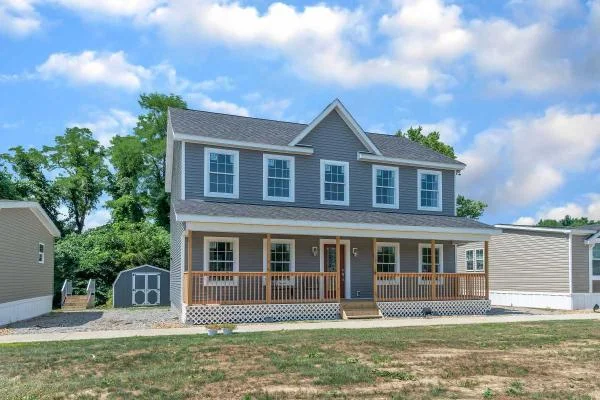
Looking for a two-story home? This 1,400 square foot, brand new two-story Cape-Cod style home offers three bedrooms and two and a half bathrooms. A full-length porch beckons one to explore the home’s interior. The kitchen offers gorgeous cabinetry and a large island with seating. The master ensuite offers a garden tub in the bathroom, as well as a large walk-in closet. All the finishes in this home are top-notch, making it ideal for the most particular buyer.

Palm Harbor Mobile Home 

12.) Summer Breeze IV

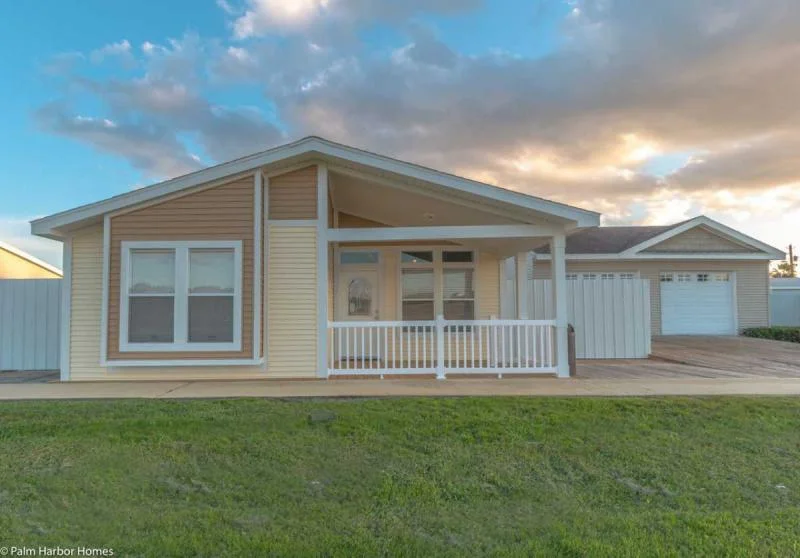
With its spacious covered patio area, the Summer Breeze IV mobile home immediately invites one in to explore a beautiful open floor living plan. The kitchen area is complete with an island for casual seating, as well as an adjacent area that will accommodate a full-size dining room table. The generous-sized living area and the master bedroom each offer their own mini-office space. Two full bathrooms along with an additional bedroom complete this tasteful floor plan.

Delve Into Hundreds of Upscale, Luxurious Manufactured Homes

The modern/contemporary factory-built homes of today are not only impressive, but they are also highly accessible. You can find an extensive variety of high-quality manufactured homes just about anywhere in the country.

Head over to MHVillage to browse more of our top rated manufactured and mobile homes.

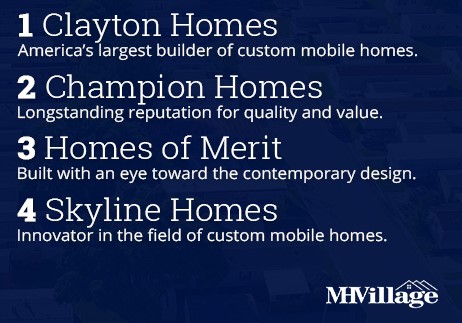
Builders That Offer Some of the Best New Manufactured Homes

Want to see some of the fan-favorite homes for each manufacturer? Send us a message for a full list of the manufactured homes that have been favorited most by home shoppers in 2021.

Builders that offer new manufactured homes

What Makes Manufactured Homes Cheaper Than Site-Built Homes?

As housing prices continue to rise, people are increasingly looking for alternatives to building traditional single-family homes.  While site-built homes are desirable with customizable features, the price can be prohibitive for the buyer – especially in today’s market. Purchasing a manufactured home, however, is a great opportunity to break the renting cycle and build some equity.

When you think of a manufactured home, you might think of the single or double-wide trailers set really close together in mobile home parks.  These communities have historically been stigmatized, but their value and convenience makes them a desirable housing option for millions of Americans.

The majority of manufactured homes are built for private land, though a quarter of manufactured homes today are purchased and parked in rented spaces in manufactured home communities. The ease of which these homes can be placed on a piece of vacant land is a distinct advantage.  Some buyers purchase a home as their primary residence or choose one as a vacation home.  Either way, manufactured homes can offer all of the amenities of site-built homes at a lower cost.

Manufactured homes come in a wide variety of styles from multiple manufacturers in the business. Whether you are looking for a small, modest space or a luxurious abode, there is a manufactured home that will meet your needs.

Levels of Manufactured Homes

Before we compare the costs of a manufactured home against a site-built home, it’s important to understand that manufactured homes come in three basic levels.  The difference between the three is not due to quality or building standards, but has everything to do with options and upgrades.  These three levels vary widely in price, construction materials and techniques, the type of windows, doors, and roofing materials.

Lower level homes reduce costs by using glue and staples instead of nails, lowering the pitch on the roof, using fewer trim materials, and installing cabinets and fixtures with plain features.  The doors and windows may be slightly smaller as well. 

Mid-level homes use higher-quality materials. This may include studs, nails, trim, and an upgraded roof with shingles rated for harsher weather.  They may also add higher-end cabinets and fixtures, energy-efficient windows, and sometimes even a garage.  

Just like site-built homes, high-end manufactured homes can be top of the line.  They use the best materials in terms of lumber, tiles, and floor coverings.  The roofs are more pitched to encourage water run-off, with eaves built-in.  They can even come with porches and decks.  Every amenity, such as carpeting, cabinetry, appliances, and trim have upgradable options.  

Luxury models have all of the options of an on-site built home, but with efficiencies in building.  If you upgrade amenities to your home when building, your home can appear very similar to a site-built home.  In addition to upgrading doors and roofs, laying a basement foundation and landscaping the yard can make the home nearly indistinguishable from a site-built home from the curb.  

Manufactured Home Efficiencies

As you consider a home build, there are several advantages a manufactured home might have over a site-built home, both in terms of costs and efficiencies.  In fact, the efficiencies often drive down the costs.  Part of the process for the two types of homes is similar.  If you are building on a plot of purchased land, both homes require clearing and leveling of the building space, putting in some sort of foundation, and hooking up to sewer and water.  After that, the building process goes off in different directions.

Here are several ways in which manufactured homes adds efficiencies to the process:

Building Crews and Labor Costs

On-site homes require a crew to come to the site for the length of the project.

According to Richard Fung, owner of Forever Homes, “there must be a coordination among framers, plumbers, electricians, roofers, and others. The materials must be delivered on time and protected from the elements until they are ready for use. A lot of factors go into scheduling labor.”

Manufactured homes are built off-site in a warehouse by an assembly line crew with consistent processes.  While a building company might have a selection of just a few floor plans to choose from, this allows them to perfect every aspect of the process.  Even if they have several floor plans, these homes have a lot in common with each other, which allows the builder to streamline the process and reduce costs.

Building Materials

The price of lumber and labor is becoming prohibitive for some prospective homeowners.  If there are many homes being built in an area, a single home builder may need to deal with supply and demand issues in terms of materials and labor.  This may delay the process and make scheduling crews a hassle.  

A manufactured home builder can purchase vast quantities of materials, often at a volume discount.  These materials are delivered to a central location, so they are there when the order for the home comes in.  As a result, suppliers are consistent with material deliveries.  This creates potential for a quicker move-in to your space.

The building process for manufactured homes
Cabinets and utilities placed on the partially completed floor of a new manufactured home from Fairmont Homes.

Building process

As mentioned, manufactured homes often build their structures in a warehouse on a streamlined assembly line. In fact, manufactured homes cost 10 to 35 percent less per square foot to build this way.

Delays that would normally occur on a building site due to rain, snow, or wind are not a factor during this assembly line process.  Unless an on-site building site is well guarded, theft of materials and vandalism are also a possibility.  At a manufactured home facility, these issues are less of a factor.  

When the manufactured home is transported to the site as a whole unit or in a couple of pieces, there is a minimal final assembly as the home is set in place.

Unless you are building the same home at every site, an on-site home design has changes or special features that may extend the building process.  Manufactured homes create a design that works right out of the gate, from the foundation to the roof.  The electrical, plumbing, fixtures and frame are repeated with each build and perfected, which results in minimal delays, if any.

High Standards

Some might think that on-site homes are built with higher quality, but the fact is that manufactured homes are built according to strict HUD (Housing and Urban Development) codes.  Local and state code authorities also ensure that they meet high levels of building standards.

The Bottom Line

Today’s manufactured homes are as varied in floor plans and designs as site-built homes.  They can range from 500 – 3000 square feet with all of the options you might want.  They can be placed on a building site easily, and they can be decorated in a way that has curb appeal with landscaping, paved driveways, trees, and more.  

Manufactured homes offer the same levels of safety and security, as well as all of the energy-efficient options of site-built homes.

If you take a look at the new housing styles on the market, you will be pleasantly surprised by the options available and the quality of the homes. Today’s manufactured homes are an affordable and beautiful alternative to site-built homes in a stiff housing market.

The 8 Most Scenic States for Manufactured Home Living

most beautiful states for mobile home living

It’s no secret that manufactured homes can sit next to some of the most beautiful, scenic views out there. Whether you’re a mobile home owner living on the Atlantic coast or want to live among the mountains, prospective homebuyers looking for a view can find the right manufactured home for them anywhere in the U.S.

Florida

If a waterfront manufactured or mobile home community in Florida sounds like your thing, there are a number of communities in Florida that offer gated security, age-restricted communities, and access to Florida’s top resorts and theme parks, all with the palm trees and sunshine that the state is known for. Water or no water, Florida will have the right manufactured home for you.

It goes without saying that Florida offers amazing waterfront views and living communities – just take a look at the image above. With lakes aplenty and miles of Atlantic Ocean coastline, the perfect manufactured home on the water is waiting for you. For those who love the water, but don’t have an affinity for the ocean, a number of manufactured home communities offer lakefront lots or well-maintained pools perfect for the warm Florida weather.

Colorado

The Boulder State has so much to offer its manufactured home residents. For those living in population centers like Denver or Aspen, access to key shopping areas amidst the backdrop of a mountaintop view can make any manufactured home a prime location in Colorado. 

Or, for the more adventurous manufactured home owner, Colorado is home to some of the most breathtaking national parks the country has to offer. Rocky Mountain National Park, arguably the most famous of Colorado’s parks, encompasses over 400 square miles of mountains and wildlife for any hiker, nature enthusiast, or backpacker in the state. 

No matter your level of hiking experience, Colorado should be at the top of every manufactured home owner’s list for its breathtaking scenery.

Arizona

Just kitty-corner from Colorado is Arizona, which offers a warmer environment for any manufactured homeowner. We’d be remiss to include Arizona on this list without highlighting the Grand Canyon, one of the country’s most notable natural wonders. A number of mobile homes and manufactured homes near the Canyon offer unrivaled proximity to the National Park that hosts the canyon, including communities in Flagstaff and Sedona.

Arizona’s dry summers mean the state may not be for every manufactured homeowner, but there are a number of communities with senior living accommodations and poolside amenities to help beat the heat, too. 

Michigan

There’s a reason Michigan is known as the Great Lakes state. Finding a lakeside manufactured home in Michigan is about as easy as can be, and many manufactured home communities in Michigan even have their own lake for the perfect sunrise view. If a smaller lakeside view isn’t your thing (though it’s hard to imagine that it wouldn’t be), there are many manufactured homes and mobile homes along the Great Lakes that border Michigan, perfect for boating or visiting one of the state’s many beaches. 

Of course, lakes aren’t the only thing that Michigan is known for. You can find a manufactured home or mobile home community near popular sights in Michigan like the Silver Sand Dunes just north of Muskegon, or in popular Northern Michigan getaways like Traverse City or Petoskey. 

California

From the palm trees to the top of the Northern California mountains, the Golden State has the right view for almost any manufactured homeowner. The Gold Rush days may be gone, but the right manufactured home or mobile home park in San Francisco or Los Angeles can offer up homes right next to palm trees and stunningly blue water.

Or, if the hustle and bustle of city life isn’t your style, a number of manufactured homes further north offer beautiful forest views. Manufactured homes and mobile parks in Redding, for instance, sit right at the base of several national parks and forests, including the Shasta Trinity National Forest. For the hiking and nature enthusiasts, these homes can’t be beat. 

You may even be California dreamin’ over that oceanside manufactured home you’ve always wanted. San Diego is one of the most popular cities in California for manufactured homes, and its proximity to the bay is a big reason why. MHVillage makes it easier than ever to look for a manufactured home or mobile home community in California with the right amenities for you that make those sweet views even sweeter. 

Pennsylvania

Situated right near the top of the Appalachian mountains that span across the East Coast, it’s surprisingly easy to find the perfect mobile home in Pennsylvania right by the mountainscape. Mobile homes in Somerset don’t lay far from Mt. Davis, one of Pennsylvania’s largest mountains.

Manufactured homes near the mountains are also primely located near some of the nation’s best ski resorts, such as homes in Gettysburg near The Lodges.

If mountains aren’t your taste, or if you’re just afraid of heights, there are a number of national parks in the state near manufactured home communities. For instance, there are a number of manufactured homes and mobile home parks near Chesapeake Bay, North America’s largest estuary with miles of beaches to enjoy during the summer. Or, you can opt for the perfect mobile home near the Potomac River.

No matter what, Pennsylvania offers some of the most variety out of all of the states on this list that make the state perfect for any manufactured homeowner-to-be.   

New York

You don’t have to live in the Big Apple to live in a New York State of Mind. 

If you’re looking for a New York manufactured home with a view, look no further than cities like Saratoga Springs. Known famously as “the Queen of the Spas,” the city offers access to luscious mineral springs and a fab downtown shopping center. And, mobile homeowners can take advantage of prime nature views with lush forests and rivers that bring out the best of what upstate New York has to offer during any season. The beautiful landscapes in this part of the state can make it any manufactured homeowners stomping ground.

North Carolina

The Carolinas have seen a resurgence in tourist activity, largely in part due to their exquisite mountaintop views. For manufactured home owners looking for that perfect mountain view, North Carolina may be your destination. 

It’s not hard to find the perfect mobile or manufactured home in Asheville, for example, sitting right near the Blue Ridge mountains. If the snowcaps in Colorado are too frigid for your style, the North Carolina landscape provides a refreshing variety with the lush greens of the state’s natural foliage. And, North Carolina is home to amazing beaches, such as Topsail Beach and the Outer Banks, that are perfect for swimming, surfing, or a relaxing stroll along the sand.

For something a bit more quaint, a manufactured home near Highland may be for you. An upscale downtown with shops and good eats isn’t far off, nor are the Dry Falls, a popular waterfall attraction just a few minutes from town. 

Which State is Best For Manufactured Homeowners? 

In today’s manufactured housing market, you don’t have to move mountains financially to get that perfect mobile home with a view. Every state on this list has something for everyone to enjoy, whether it’s a warm oceanside view in Florida or one of the majestic mountains in the Carolinas. Looking to buy a manufactured home in a scenic locale? MHVillage has the largest selection of new and pre-owned manufactured homes and communities, with the resources to help you find your dream home in your dream landscape. And, these tips on the average cost of a manufactured home can help you get started on planning your home buying journey – with any luck, there’ll be a beach involved, too.

The Ins and Outs of Buying a Mobile Home in a Park

how to buy a mobile home in a park

So, you’re looking at buying a mobile home – congratulations! 

No matter where you’re relocating to, you may consider moving into a mobile home park. With any park or community, there are bound to be questions from any homebuyer along the way. After all, the park that your future mobile home will reside in is just as important as the home itself, so any prospective homebuyer will want to ensure they’re moving into a park or community that’s just right for them.  

Finding the Right Community For You

Before you start your search for the perfect mobile home, it’s important to create a checklist of your top priorities when it comes to living in a mobile home park. These could include: 

  • Finding a community that allows for pets if you own a dog, cat, or other animal 
  • Finding an age-restricted community, if desired
  • Having access to amenities such as a swimming pool, lakeside view, facilities such as racquetball or tennis courts, etc.
  • The level of gated security within a community
  • Whether or not a park is resident-owned  

MHVillage makes it easy to search for a mobile home park that meets your specific needs. There are filters for parks with pet-friendly accommodations, on-site pools and clubhouses, and parks exclusively for residents over the age of 55. Even though homes in today’s housing market are in very high demand, that doesn’t mean you should have to compromise when it comes to buying your mobile home.

Popular Types of Mobile Home Communities

  1. Age-Restricted. Caters to older adults (usually age 55 and up), similar to a traditional retirement apartment or condo complex.
  2. All Ages. Caters to families, young adults, and basically anyone else who wants to live in an affordable, community-centric development.
  3. Resident-Owned. Allow residents to share ownership of the park, with everyone chipping in to pay for the land, maintenance, services, utilities, etc.

Contacting the Community 

Once you’ve found a mobile home park or community that fits your needs, the next step is to contact the community to arrange a tour of the home, or to share any questions you may have. Most communities will have an email or phone number that you can reach – and for mobile home parks listed on MHVillage, you’ll have the option to contact the seller directly through their listing. 

From there, a staff member from the park – sometimes a selling agent or a retailer that works directly with the park – can usually help you arrange a tour of the mobile home you’re interested in.

Touring the Home and Community 

Like with any prospective home, you’ll want to take a tour of the mobile home for sale to see if it will be right for you and your personal preferences. Of course, you’ll also want to ensure that the mobile home is well-maintained and take note of any repairs needed, should you choose to purchase the home. 

Consider some of the following questions you should ask yourself when touring a mobile home: 

  • Will I have enough space with this home? 
  • Can I afford the monthly expenses, such as utilities? 
  • Can I renovate it if I need to? 
  • Can I adequately address any issues with plumbing, electricity, or other utilities? 
  • Does the mobile home offer easy access to amenities and stores in the surrounding area that are important to me? 

Some parks may offer virtual tours, too, that allow you to view the mobile home from the comfort of your own home. In addition to any photos that are available of the home, a virtual tour can consist of interactive, 360-degree photos and videos that walk you through the mobile home and its features.

If it’s possible, you may want to take a tour of the mobile home park or community you have in mind to see it for yourself. This way, you’ll be able to see how the mobile homes are laid out within the community, and check out the common facilities while you’re at it. This also gives you the chance to talk with any of the park’s residents and learn firsthand what it’s like living day-to-day in the community. 

Securing a Lender and Financing 

However, if you haven’t yet done so, you’ll want to connect with a lender to help you navigate the financial side of the mobile home buying process. This includes, but is not limited to:

  • Ensuring your credit score will allow you to take out a mobile home loan 
  • Processing all necessary payments throughout the homebuying process 
  • Finding the right mobile home insurance for you 

The MHVillage Mobile Home Buyer’s Guide offers further details on the financing options at your disposal. This also includes the various types of financing that may be available to you, including mobile home loans with land. For mobile homes situated in a park, chattel mortgages will often be the go-to.   

Filling Out the Paperwork

If you’ve decided to purchase a mobile home, congratulations! Once you’ve had an offer accepted on a mobile home, that’s when the paperwork begins – and the exact documents you’ll sign may differ, depending on the process. 

The first piece of paper you’ll sign after your offer has been accepted is usually the purchase agreement, which outlines the sale against contingencies such as the home inspection, financing approval, and a proper appraisal. Around this time, your lender will open an escrow account for your earnest money deposit (EMD). Think of an EMD as the down payment on the down payment. 

While it’s very possible that your mobile home has already been appraised and inspected if it’s on the market, more often than not you’ll also want to hire an inspector and appraiser to verify the condition and value of the home. These will give you peace of mind in knowing that your new mobile home is priced appropriately, and will tell you more about the condition of your home, inside and out. 

Once these two steps are set, it’s time to close! You’ll usually meet with the seller to sign your closing paperwork, which includes the final purchase contract as well as the title transfer itself, and any necessary tax-related documents.

During this step, your agent may also provide you with paperwork specific to your mobile home park, such as a signed contract acknowledging park guidelines and, if applicable, a renter’s agreement. Check with your park management for specific documents you’ll need to sign during this step. 

Other types of paperwork may vary based on state. For instance, in Michigan, a notary wouldn’t need to present for a bill of sale, whereas other states may require this. Your lender or agent will be able to advise you here. 

Extra Cost Considerations

Closing Costs

There is no one-size-fits-all answer when it comes to how much you should set aside for the down payment and closing costs, which includes your EMD. A lot of this depends on what kind of loan you and your lender agree on. 

Generally speaking, you’ll want to budget around 5% of the asking price of the mobile home for your down payment, and another 5% for your closing costs. Your final out-of-pocket costs may not be quite as high, but it’s better to budget for more than you need. Any extra money you may have can go towards your first mortgage payment, moving expenses, or any needed home improvements.

Lot Costs

When moving into a mobile home park, you’ll likely come across additional monthly costs related to the park itself. 

Lot rent (also known as a site fee) is probably the most common monthly payment you’ll make when living in a mobile home park. If your mortgage payments are what you pay for the mobile home itself, imagine the lot rent as the monthly payment for the lot on which your home sits.

Much like with your closing costs, there’s no one definitive answer as to how much your lot rent will cost. However, lot rent sometimes includes many utilities, such as water and sewage, internet access, electricity, and garbage pickup. 

If you live in a resident-owned community, you may also pay a monthly or annual fee that goes toward community developments, such as community home repairs or building new amenities. 

The mobile home park you choose to live in should have amenities that meet your needs, be in a quality neighborhood, and help make your manufactured or mobile home feel more like…well, home.

More Resources on the Mobile Home Buying Process

The MHVillage Mobile Home Buyer’s Guide has a number of articles on the entire journey, from the moment you begin your search to the day you move into your new mobile home.

EVENTS

Tour New Manufactured Home Models at the Novi Home & Garden Show, March 28...

If you live in or around Southeast Michigan, then your opportunity to tour the newest manufactured homes is here!The Novi Home & Garden Show,...

Visit The Novi Home Show and Tour Six New Model Homes, Oct. 11 –...

Heads up, Southeast Michigan! The Novi Home Show will host six stunning manufactured homes for public display at the Michigan Manufactured Housing Association (MMHA)...

Tour Six New Manufactured Homes at the Novi Home Show this Weekend, Oct. 7...

This weekend, October 7th through the 9th, 2022, is your opportunity to tour six model homes as part of the Manufactured Home Showcase.  The Showcase,...