Home Blog Page 15

Sold: How to Go From Listing to Closing When Selling Your Manufactured Home

A hand signing a document with a ballpoint pen.

Selling your manufactured home is one of the most exciting things you can do. It often means moving into a new home while using money from your listing towards your next home journey. As you sell your mobile home, you’ll want to know the steps involved before getting things kicked off to ensure that your mobile home sale is as smooth as possible.  

Decide Who Will Sell It 

Believe it or not, the first step in your manufactured home sale journey is not to decide how you will sell your home, but who you will use to sell it. There are two main ways to sell your home as the owner, either on your own via a For Sale By Owner (FSBO) transaction, or via a dealer. 

In a FSBO mobile home sale, you are empowered as the seller to take charge of the selling process and save some money along the way. The Mobile Home Sellers Guide is a great resource that covers every step of the process in addition to this article, and ensures that you as an individual seller are best prepared for the sale. 

Many home sellers choose to hire a dealer to list and sell their home, too. With this option, the paperwork is left to a professional, though there are dealer fees associated. 

Other ways to sell your mobile home include back to the community, if you live in one, or to a company that may buy homes for cash. Some communities, in fact, require you to sell your home back to that community if you move out. If you own your home on your own land, you may also use a realtor. 

There is no wrong way to sell your home between a FSBO sale and going through a dealer. However, do your due diligence and make a decision that’s best for you for your home selling journey.      

Appraisal and Inspection 

Before you publish your manufactured home listing, you’ll need to hire an appraiser to correctly determine the home’s value. You should also consider a third-party inspection to see if you’ll need to make any repairs or upgrades before you sell your home. 

While that may sound daunting, in reality you’re investing in your mobile home sale as a repair or upgrade will increase the value. For instance, a furnace upgrade can go a long way when it comes to adding to your mobile home’s resale value. 

This is also a good opportunity to make any additional cosmetic changes that you feel may increase your home’s resale value. For instance, if you decide to replace your mobile home’s skirting, that can give your home a fresh look while still increasing the price. 

Listing and Marketing Your Mobile Home 

When you’re ready to publish your mobile home listing, MHVillage offers multiple FSBO listing options for manufactured homes with each offering different tiers of features to get your home in front of as many people as possible. These FSBO listing options ensure that your mobile home will shine while getting your home sold as fast as possible. 

For those selling with a dealer, they will typically list your home for you and ensure its visibility. 

If you’re selling your home the FSBO way, keep the following tips in mind: 

  • Make sure your listing pops with unique, high-quality photos of your home that show off everything it has to offer. 
  • Use descriptive language in your listing to appeal to home buyers and upsell your home’s features. Does your kitchen have an open concept, or does your home feature a sliding back door that opens out to a deck? If so, play features like those up in your listing to make it more attention-grabbing. 
  • Take a look at other listings in your area to see what features they tout, or how they describe your home, and see what works and what doesn’t when it comes to home listings that you really like. 

Filing the State Paperwork 

Once your mobile home has sold, take time after you’ve celebrated to start on your post-sale paperwork. This will vary state by state, so your best option will be to brush up on your state’s requirements for what paperwork needs to be filed, and when. 

Generally, you’ll need to acquire some kind of titling certificate for your home, and each state will have their own process for managing the transaction of your home from the seller to the owner. There may also be local jurisdictions at play that affect whether a home sold with the land would require additional paperwork. If you sell your mobile home through a dealer, they can usually help process this paperwork for you. 

Ready to sell? Start with MHVillage to get your listing live today. Simply visit mhvillage.com and fill out the online form to start your mobile home listing. 

Where to Find Mobile Home Loans and Lenders

Home agents are using a calculator to calculate the loan period each month for the customer.

Whether you’re buying a manufactured home or mobile home for the first time, or getting ready to move into your dream home, most likely you’ve already begun thinking about how to finance your new home purchase. With the number of options available for mobile home loans, and a slew of lenders to choose from, it may seem daunting at first to wade through the financial logistics of your manufactured home search. 

Here, we break down the anatomy of manufactured home lenders and the different types of loans they offer – as well as how to determine which loan and lender may be right for you. 

Manufactured Home Loan Anatomy

Before we get into the different types of manufactured home loans a lender might recommend, it’s important to remember that not all home loans and home loan programs apply to manufactured housing. So, if you have your eye on a specific type of home loan, make sure that loan will cover all home types, including manufactured homes. 

If you’re working with a lender to secure a manufactured home loan, you’ll likely come across one of these loans: 

Chattel Loans: 

Chattel loans are by far the most common type of loan you’ll come across as a manufactured home buyer. They’re primarily offered when a home buyer seeks to purchase the home as personal property, similar to a car loan. While this can be advantageous for homeowners looking to use the home as collateral for the loan itself, they may come with higher interest rates. These loans may also be the most common type when buying a manufactured home in a park

Government Loans: 

Some homeowners may qualify for home loans that are applicable to manufactured housing offered by the U.S. government. For example, the U.S. Department of Housing and Urban Development (HUD) offers loans geared towards low-income homebuyers, making manufactured housing even more accessible and affordable. 

There are some criteria that homeowners must meet to qualify for a HUD loan, as well as some pricing and term limitations to keep in mind. Still, a government loan such as the HUD manufactured home loans may be the best option for many. 

Additional Loans:

The Federal Housing Administration (FHA) and Department of Veterans Affairs (VA) will also offer manufactured home loans, but only if the home is considered “real property.” This requires the home to live on a permanent foundation, and for the title of the home to be discontinued so the structure of the home, as well as the land, can be written into the deed. These loans are typically more strict in their requirements than HUD loans. 

HUD isn’t the only governmental manufactured home loan to explore, however. There are other options to look into from Fannie Mae and Freddie Mac, along with the U.S. Department of Agriculture, among other affordable housing programs. 

Conventional Mortgages: 

At the end of the day, you may still look at a good old-fashioned conventional mortgage loan for your manufactured home purchase. However, not every mortgage company will service loans for manufactured homes, and may even turn prospective home buyers away. 

Your lender should be able to advise you on whether a conventional mortgage is available in your area for your manufactured home. While these types of loans are not as common for manufactured homes, they may still be worth considering if they’re available to you.

Typically, you’ll only be able to secure a conventional mortgage if you are purchasing or already own the land that the home will sit on. Often referred to as a “land-home mortgage,” these mortgages are similar to what would be offered for site-built homes by offering financing for both the land and the home itself in one package. 

Where Can I Find a Lender? 

Believe it or not, the first place to look when it comes to looking for a lender to process your manufactured home loan is your friends and family. Take time at your next family gathering or friendly outing to see who can point you towards a lender they may have used in the past. A family or friend referral is a great way to connect with a lender, and gives both you and the lender some familiar ground to work with should you choose them for your manufactured home loan. 

If you are looking to purchase a manufactured home in a park or community, they may be able to provide lending options for you to work with, should you choose to work with them. This will vary between communities, so be sure to check with that park beforehand to see what resources they have on hand.

Additionally, many manufactured home dealers may also offer lending services. MHVillage offers a search function for manufactured home dealers, so if you’re using a dealer to help with your manufactured home search, it may be worth exploring dealers that also offer loans for a more “all-in-one” approach.

Many retailers will also provide you with options of lenders they trust for you to work with. These retailers often can help out with the loan application process, too. 

How Should I Start the Loan Process? 

Once you’ve identified a lender, you’ll usually be asked to either fill out an application, often online, and provide a handful of documents to verify you qualify for the loan. These will usually include bank statements, recent pay stubs, tax returns, and other documents that prove you’re in acceptable financial standing. 

From there, your lender will guide you through the financing process and the exact paperwork, which may differ from loan to loan. For instance, a land-home loan may involve more up-front documentation than a chattel loan.

How Will I Know Which Lender is Right For Me? 

Ultimately, you’ll want to choose a lender that best fits your individual needs and who you feel comfortable working with. Here are a few criteria that will help you make that decision: 

The Right Loan

Not all manufactured home lenders will offer every kind of manufactured home loan on the market. Before you commit to a lender, make sure that they can offer a specific type of manufactured home loan that is right for you – particularly if there’s one type of loan you have in mind. Being clear in what you intend to purchase, as well as whether you intend to own the land under the home, should lead you to the correct loan and lender needed to make the purchase.

However, don’t panic if you don’t know what type of loan you want from the very beginning of the process. The right lender will pair you and your financial makeup with the right type of loan that’s best suited to your specific home buying experience.

The Right Convenience

Manufactured home lenders, like all home lenders, should be flexible and available throughout the entire home buying process. If you’re struggling to work with a lender that hasn’t returned your calls in weeks, it may be time to find a different lender. The right lender should be communicative and proactive throughout the entire process. 

The Right Match

Ultimately, you and your lender should see eye-to-eye on your best interests for securing a manufactured home loan. Your lender should take time to fully understand you, your needs, and your financial situation to recommend the best loan for you. 

No matter where your lender search takes you, trust MHVillage with your manufactured home search. MHVillage, the nation’s leading website for buying and selling manufactured homes, offers the most in-depth search options when searching for manufactured homes in your area, enabling you to find the home of your dreams with MHVillage. And, with various manufactured homes listed in your area, you may find additional options for financing your manufactured home purchase right there on the home listing. 

Reality TV Star Moves to Florida Resort-Style Community

TV personality Mackenzie McKee testifies on social media about how a Sarasota manufactured home community kept her close to her family and her work.

Mackenzie McKee, social media personality and married mother of three, had made waves by sharing her new manufactured home digs at Sun-n-Fun RV Resort in Sarasota, FL in an Instagram story with her followers over the weekend.

The “Teen Mom OG” star turned social media influencer detailed her family’s journey of traveling from their native state of Oklahoma to the sunny shores of Florida to move into their new manufactured home. 

“We pulled up after 18 hours of driving, and, honestly guys, this place is awesome,” McKee said.

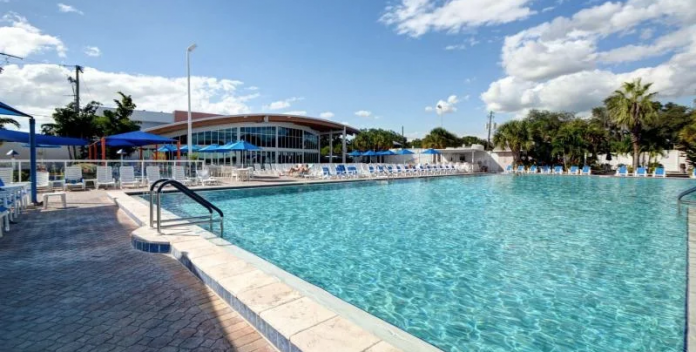
Sun-n-Fun RV Resort, operated by Sun Communities, is an all-ages luxury resort-style park in Sarasota that offers amenities ranging from a spa and sauna, to an Olympic-sized pool, to a number of outdoor and indoor recreational facilities such as a fitness center and volleyball courts. 

“It’s like a vacation spot and it’s super fun,” she said. “I called them and they had one trailer available and I’m like, ‘Boom!’ Take my money.”

Not only that, but moving to Sun-n-Fun meant added convenience for McKee, her husband, and her three children. Their new manufactured home puts McKee and the family just ten minutes away from school and work, according to an article from Heavy that’s since been viewed over 27,000 times. 

McKee went on to detail their hunt for a home, including looking for a mortgage pre-approval, before receiving the news that they had less than a month to vacate their rental home. 

“We were going to use that time…to get pre-approved, to go house hunting,” McKee said. “The market’s crazy.”

But now, having settled down with her family at Sun-n-Fun, it’s no wonder that McKee is enjoying the resort-style lifestyle that they offer. 

McKee’s story is just one example of how residents living in manufactured home communities can take advantage of luxury amenities, all while keeping their housing costs affordable. 

With MHVillage, it’s easier than ever to search for the perfect manufactured home community. Simply head to mhvillage.com/parks to filter your search and find your dream manufactured home today.

Seven Fantastic Resident-Owned Mobile Home Parks in Arizona

If you’re looking for mobile homes in the great state of Arizona, you may come across some that are in resident-owned mobile home parks. In a resident-owned mobile home park, the residents share joint ownership of the property, similar to a co-op house but applied to an entire community. This puts voting and decision-making power into the hands of the residents. 

In Arizona, you’ll find a number of resident-owned mobile home parks that are age-restricted and thus great for retired folks, as well as some that are open to all ages. Here, we’ve highlighted seven fantastic and unique resident-owned mobile home parks that are sure to grab your attention. 

Country Roads – Yuma, AZ

Country Roads in Yuma, AZ is a resident-owned retirement community located away from the hustle and bustle of Arizona’s downtown locales. This community offers many amenities, such as a playground and clubhouse, and gives its residents a quiet, yet scenic lifestyle to look forward to. 

The community has 1,294 sites and is pet-friendly, making Country Roads an ideal resident-owned community for those looking to get away from a more bustling downtown. 

Casa de Francisco – Phoenix, AZ

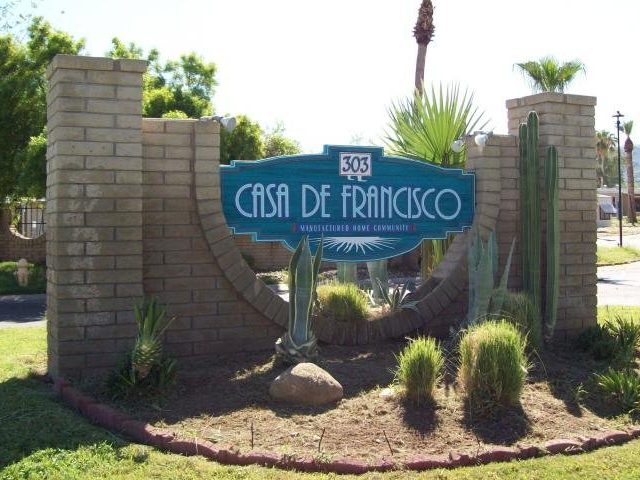
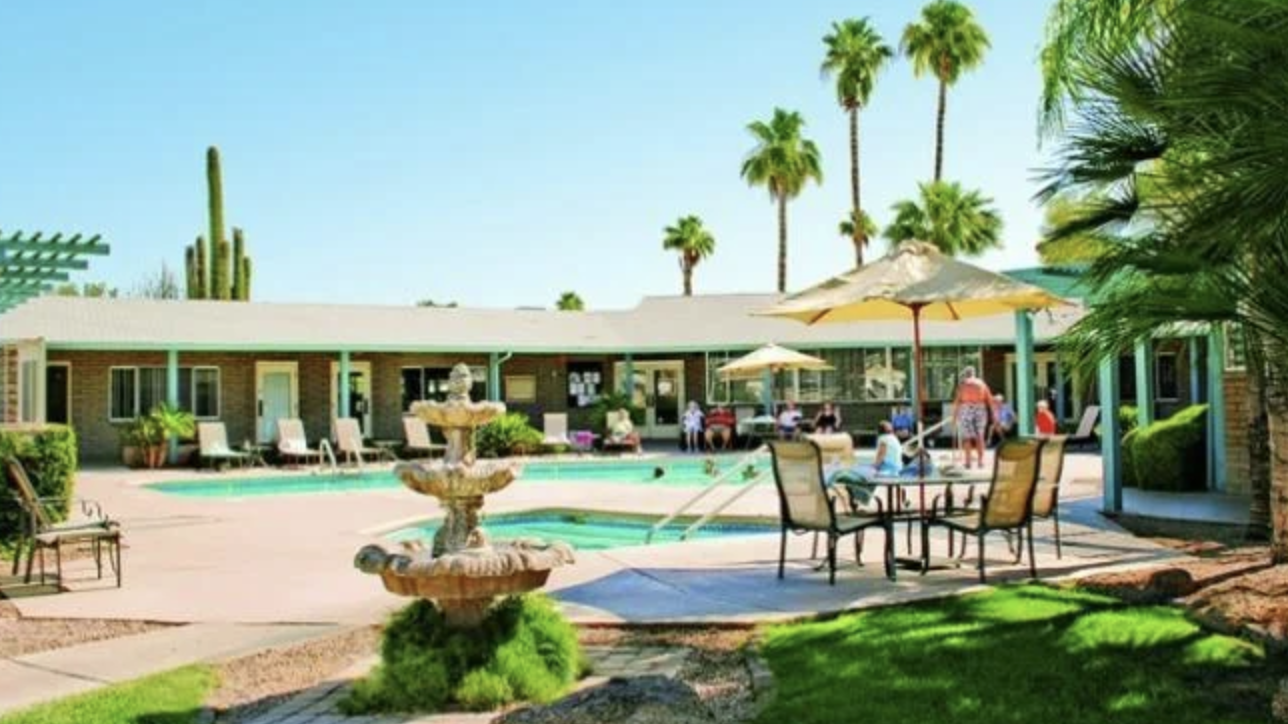
Casa de Francisco is a great example of an all-ages resident-owned mobile home park in Arizona. With 203 sites and such amenities as a billiards room, top of the line laundry facilities, and storage for RVs and boats, comfort and convenience is the name of the game at Casa de Francisco. 
Additionally, the resident-owned Casa de Francisco contains a swimming pool, allows for some pets, and best of all sits just a few miles from the water, offering an aquatic getaway right by your home. With all that in mind, it’s no wonder why Casa De Francisco is “an oasis in South Phoenix.”

Apollo Village – Peoria, AZ

Looking for a pet-friendly resident-owned community? Apollo Village in Peoria, AZ may be the right fit for you. 

It might not be the only resident-owned community in Arizona for pet owners, but this 55+ community with 236 sites is located just a quarter-mile from the water, making it perfect for walks with your dog. For a more quaint, relaxing type of lifestyle, residents can visit the on-site spa, library, or billiards room. 

Peoria, AZ has often been ranked as one of the top places in the country to retire, and this resident-owned community is just one part of it. 

Voyager RV Resort – Tucson, AZ

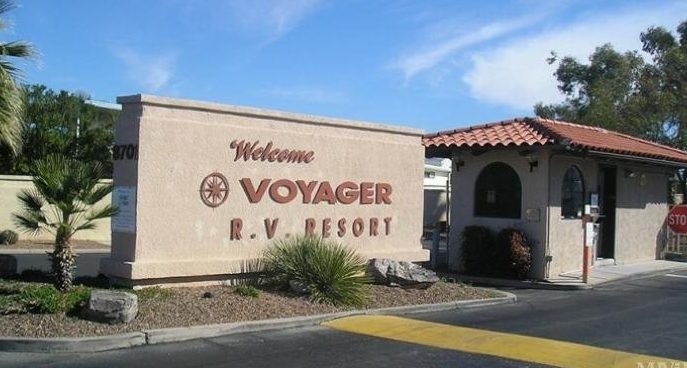
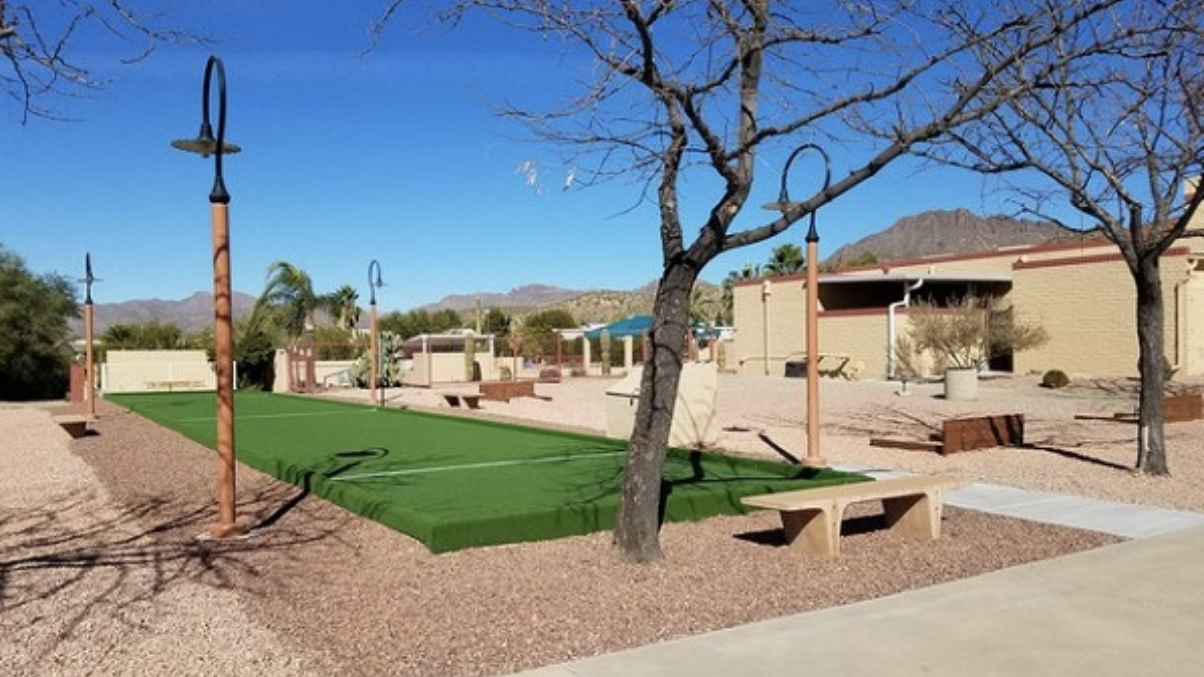
Voyager RV Resort in Tucson, AZ is a resident-owned retirement community brimming with amenities. From multiple dedicated courts for basketball, tennis, volleyball, and shuffleboard, to a nearby golf course and spa facilities, Voyager RV Resort offers retirees with the perfect active lifestyle for them. The community has 1,576 sites, with both pet and non-pet sections and gated security offering peace of mind. 

Voyager RV Resort’s resident-owned status makes it one of the largest resident-owned communities in all of Arizona. All of its amenities and conveniences makes this a strong contender for any retiree looking for a new mobile home.

Copper Crest – Tucson, AZ

Copper Crest is a 55+ resident-owned mobile home park in Tucson, AZ, with a plethora of amenities for residents ranging from a horseshoe and shuffleboard court to a library and fitness center. This resident-owned park touts gated security for its residents, offering a quiet and scenic lifestyle for residents settling down after retirement. 

With 357 sites, the vast majority of which are multi-section homes, there is bound to be something for anyone 55+ looking for a mobile home park to call home. 

Comanche Wells Mobile Home Park – Tucson, AZ

Comanche Wells Mobile Home Park in Tucson, AZ, offers its residents a range of single, double, and triple-wide homes for sale from a total of 209 sites. As a resident-owned retirement community, Comanche Wells Mobile Home Park also offers a suite of amenities, such as on-site RV storage and a free car wash facility. 

If you’re looking for a pet-friendly, resident-owned retirement community in Arizona, Comanche Wells Mobile Home Park could be just what you’re looking for. The nearby downtown lifestyle of Tucson offers easy access to dining and entertainment, offering residents the best of both worlds when it comes to both quieter and livelier lifestyles.

Golden Vista RV Resort – Apache Junction, AZ

Golden Vista RV Resort gives its 55+ residents plenty to offer out of a resident-owned community. Located in scenic Apache Junction, AZ, Golden Vista RV Resort boasts a clubhouse, swimming pool, and other highly desired amenities perfect for those looking to find the perfect retirement community.

At a massive 1,075 sites, Golden Vista RV Resort ought to have something for everybody looking to move into this idyllic resident-owned community in Apache Junction, AZ.

Looking to Buy in Arizona? 

MHVillage helps make your mobile home search a breeze. Check out additional mobile home parks for sale in Arizona, along with our entire available catalog of mobile homes for sale in Arizona. 

If you’re looking to sell your mobile home in Arizona, check out this handy guide from MHVillage to guide you along the way. 

9 Steps to Winterize Your Mobile Home

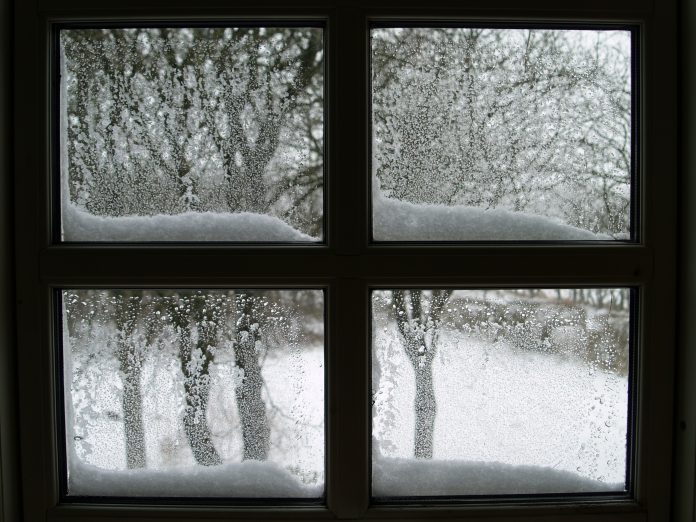
A window looking out onto a snowy scene.

As temperatures begin to cool across the country, it’s time to start thinking about how to winterize your mobile home to protect it against the cold and, in some cases, snow. Even in warmer climates such as the southern United States, winterizing your mobile home to avoid damage to your utilities and fixtures is a surefire way to save money over the course of your mobile home’s life. 

Whether you’re preparing for slightly cooler temperatures or for blizzards in the coming months, make sure you take the following steps, if needed, to winterize your mobile home: 

Insulate Windows and Doors

If your doors and windows have exposed or damaged insulation, it can lead to drafts inside your home, which means a costlier heating bill. Insulating your windows and doors from the inside ensures that heat doesn’t escape from your mobile home. 

There are multiple ways to insulate both your doors and your windows. Many hardware stores offer spray foam insulation useful for filling gaps and cracks in your door frame or window frame, and some may offer large sheets of plastic adhesive that fit over windows to keep the heat indoors. No matter which method you choose to insulate your windows and doors, it’s best to start during the late-autumn, early-winter timeframe to prevent as much heat as possible from escaping your home.

Check Your Pipes 

If you suspect that any pipes in your home may have leaks or are otherwise damaged, now is the time to repair them. Not only that, but freezing pipes can result in some of the most extensive damage possible during the winter. Heat tape can help ensure that your pipes are properly warmed and functioning throughout the winter.

Have Your Furnace Inspected

Any utility that provides climate-control for your mobile home, whether it’s a furnace, air conditioning unit, or space heater, should be inspected annually to ensure it works properly. Before winter fully sets in, your furnace will be the most important of these three to inspect.

As mechanics and service professionals become more and more backlogged with service calls towards the end of the year, it’s important to get ahead of the game and have any necessary repairs made to your mobile home’s furnace before you’re stuck waiting in the cold. 

Maintain Your Skirting

Moving over to the exterior of your home, you want to ensure that the entirety of your mobile home’s skirting is still in good condition. If there are any cracks or dents, it may lead to damage from external moisture, particularly during snowstorms. Additionally, damaged or missing skirting can lead to frozen pipes, as the skirting keeps cold air from getting under your home. 

Check the Marriage Line

In multi-section mobile homes, the marriage line – the seal that keeps each section of the home together – should always be level and firmly sealed. However, if there’s damage to the marriage line, or if it’s become unlevel over time, you risk losing heat around this division, among other problems. As you’re winterizing your mobile home, it might not be a bad idea to check on your marriage line, if you have one, and insulate if needed. 

Loosen Your Tie-Downs

On the subject of your mobile home’s bones, each year you’ll also want to loosen your tie-downs ever so slightly, to account for the ground heaving and shifting throughout the winter. This is especially true for mobile homes in colder climates like the northern United States. Having tie-downs that are too tight during harshly cold weather can lead to foundation damage to your mobile home, shortening its lifespan. 

Make Sure Your Gutters are Maintained

If you’re in an area such as Florida or Louisiana with high precipitation, or live in snowy Michigan, you’ll want to ensure that your gutters, if you have them, are clear of any debris and are properly installed. If you don’t, freeze-over may occur – which means water or snow may collect in your gutters and create large icicles. This can cause significant gutter damage, so it’s important to check your gutters before the winter sets in to ensure they’re in good condition. 

Check For Any Needed Roof Repairs

In addition to checking on your gutters, take time to assess the overall condition of your mobile home’s roof before winter sets in. If you have any leaks, or openings where heat may escape your home, be sure to patch those up before it gets too cold. Repairing your roof can take on many different forms depending on what material your roof is made out of, but our mobile home roofing guide has further insights on how to repair the most common mobile home roofs. 

Reverse the Ceiling Fans

The last tip on this list is one many homeowners take advantage of. If you look at your ceiling fan, you’ll see a small switch that changes which direction the fan rotates. During the summer, your fan blades should rotate counterclockwise, whereas in the winter they should rotate clockwise to properly distribute warm air throughout a room. 

A mobile home will be one of the greatest investments you make in your life. This is because, for being a widely-used source of affordable housing for millions of Americans, they offer immense value and quality of life. That’s why it’s so important to take extra precautions before each winter season, whether you live in Michigan, Arizona, or Florida, to ensure you get as much value out of your home as possible. 

What Makes a Great Retirement Community?

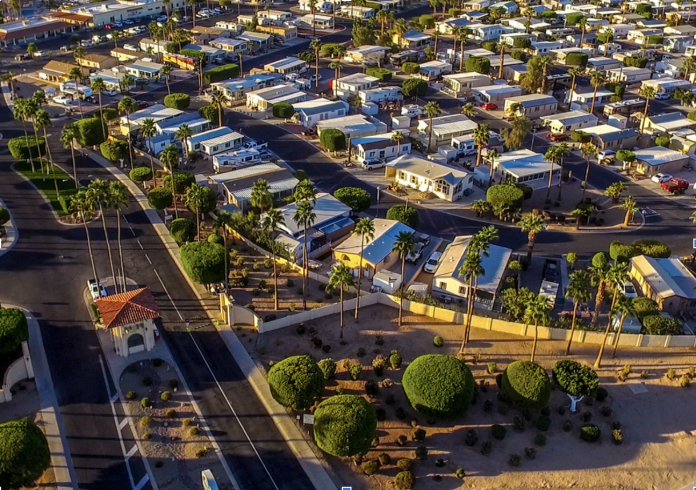
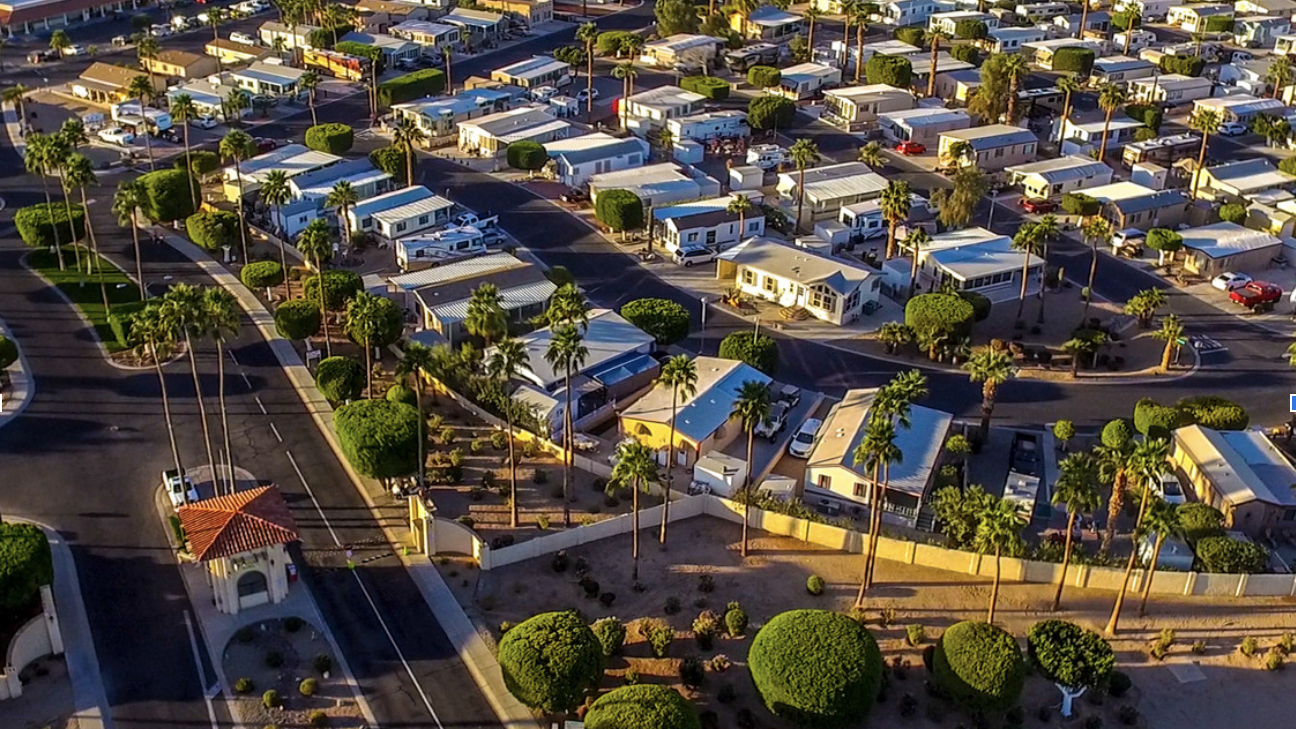
Manufactured home communities – also known as mobile home parks – make for some of the most ideal retirement locations in the country. They offer great amenities, scenic views, security for their residents, and many are even geared for residents that are of retirement age. 

When researching mobile home communities to settle down into for the laid-back retirement lifestyle, it’s important to keep several considerations in mind when it comes to community living. Besides the usual criteria – those scenic views and amenities that we mentioned – there are also some lesser-discussed qualities that can make a big difference during your community search. 

The Basics of a Community Search  

Above all else, a community or park should be equipped with the right amenities for any retiree. This includes clubhouses for lounging and relaxation, dog parks, pools for the summer weather, and sports facilities such as tennis and shuffleboard courts for physically active community dwellers. While a community may not have all of these amenities, or may even have more besides just those four, it’s important to gauge which ones are most valuable to you when looking for your retirement community. 

With any home, but especially for those in communities or parks, you also want to ensure that homes are available for sale in the right size for you. For instance, if you require a triple-wide mobile home, double-check that your community of interest has triple-wide lots available. Another important factor to consider is the level of security that comes with a community. If this is a primary concern, look for communities that tout gated entry or private grounds. 

Finally, while this might be one of the more obvious things to look for, many communities are age-restricted. This is a desirable option for many retirees as they usually offer a quieter lifestyle compared to all-ages communities. If this is something you’re interested in for your retirement home, make sure you filter your home search accordingly.

The Not-So-Usual Things to Look For 

All of the above qualities can be an imperative for your retirement home search to make sure you connect with the right community. However, they aren’t the only qualities you should look for when searching for a place to live.  

Firstly – affordability. Many mobile home communities will often have some kind of site fee or lot rent that covers the amenities and other services that the park will offer. This will vary based on community, but this information may sometimes be listed online – either on a community’s MHVillage listing or their own website. 

There’s also the question of convenience. That is, will your community of interest be located near neighborhood fixtures that you love? This can include local shopping districts, entertainment centers, or your favorite restaurants. Finding the ideal community that’s nearby what you love can be a key component of your community search that often goes forgotten. 

If you’re making a move out of state, it’s also important to consider whether your new community provides enough relaxation for your new retired lifestyle. The best way to measure this is looking at a combination of the community’s amenities, local tourism fixtures, and whether the community is age-restricted. In this aspect, not all communities are equal – some near popular vacation spots may be more bustling and lively than others, making for a higher-traffic community along with the area surrounding it. 

At the end of the day, looking for the perfect mobile home community or park for your retirement lifestyle all comes down to one X-factor: will it meet the quality-of-life needs of you and your loved ones? You should never make compromises when it comes to your wants and needs during the home buying process, and that goes double for looking for the perfect mobile home in the perfect community. The right community for you will meet your needs as we’ve laid them out in this article, and with the right combination you’ll find the community that’s the perfect fit for your new retirement lifestyle. 

I’m Interested in Buying a Home in a Community – What’s Next? 

If you’re interested in shopping for mobile homes located within a manufactured home community or mobile home park, look no further than MHVillage. The leading website for buying and selling manufactured homes with over 25 million views annually, MHVillage lets potential home buyers filter their search by homes located in communities and parks, in addition to other criteria such as city and state, 55+ communities, and more. Simply click on the “Parks” tab on the homepage to start your search. 

And, be sure to read up on everything else there is to know about manufactured home community living, from the financial work involved in buying a home in a mobile home park to the most scenic states for mobile home living.

The Value of Repossessed Mobile Homes

Understanding repossessed mobile homes

If you’re searching for a manufactured or mobile home to purchase, you may occasionally come across a home listing describing a home as a “repo.” While some may write off a repo mobile home without a second thought, or even disregard repo homes altogether during their home buying journey, repossessed manufactured or mobile homes can actually be a viable source of entry for first time homeowners on a budget. 

But first, it’s important to understand the ins and outs of repo mobile homes and understand their pros and cons. Spoiler alert: repossessed homes generally are a good investment for homeowners, particularly those on a budget, but there are a few things you should know first. 

What is a Repo Mobile Home? 

A repo mobile home is a home that’s been foreclosed and repossessed if the homeowner defaults on their loan payments. These homes are placed back on the market, usually by the financial institution or bank that originated the loan, and are often sold at auction to the highest bidder. If a repo mobile home isn’t sold at auction, it’ll be listed on mobile home selling platforms such as MHVillage. 

While some assume repo mobile homes as derelict or in poor condition as a result of being foreclosed, in reality repo mobile homes can be of comparable quality to other mobile homes on the market. Some repossessed mobile homes were previously owned by homeowners who purchased their home when it was brand new, meaning that you may be able to find repo mobile homes on the market that are less than a decade old. And, it’s important to remember that a repo mobile home doesn’t mean that it’s a run-down home, compared to what you may think.

Should I Buy a Repo Mobile Home? 

Rather than convince you whether you should or shouldn’t consider purchasing a manufactured home that’s been repossessed, we’ll lay out some of the advantages and disadvantages to going this route. 

Repo mobile homes can be a good source for newer homes in good condition. 

The most obvious advantage to buying a mobile home that’s been repossessed is cost. Because repo mobile homes are often sold either on auction, or are sold directly from the bank itself, they’re usually priced significantly lower than market value, sometimes for a fraction of the usual cost of a new manufactured home. This makes the home more affordable for first-time homebuyers. 

And as we mentioned earlier, some repo mobile homes are newer models, since they were originally purchased as brand new mobile homes. This means that repo mobile homes can be a good source for newer homes in good condition. 

Are There Any Downsides to a Repo? 

Because a repossessed mobile home is often managed by a bank or other financial institution as opposed to an individual home seller, there may be less information available on the home, such as the condition of the interior or exterior, amenities, or other features of the home. As a result, repo mobile homes are often sold “as-is” since the condition of the home cannot be verified prior to the sale. 

In these cases, you’ll want the house inspected by a third party to properly assess the home’s true condition. This ranges from ensuring whether any appliances come with the repo home, checking for any structural damage, and verifying the condition of the inner workings of the home, such as plumbing and electrical wiring. Otherwise, you’ll end up spending the money you saved on your home purchase on expensive home repairs within a few years of moving into your home. 

It’s also worth noting that repossessed mobile homes, because of their lower asking price, tend to sell much more quickly than manufactured or mobile homes that are not repossessed. The increased amount of competition among prospective homebuyers, not to mention competition against investors looking to flip the home for profit, means that if you’re interested in purchasing a specific repo mobile home you have your eye on, you better move fast. 

Finally, while it’s not a downside per se, buying a repo mobile home will often require a good credit score and credit history to get approved for financing. This is the case for virtually any manufactured home purchase, but holds especially true for repo mobile homes.

What If I’m Interested in Buying a Repossessed Mobile Home? 

If you’re interested in browsing repo manufactured homes or foreclosures, MHVillage currently has over 600 active repo listings.

Here are a few quick tips for finding them in your preferred area:

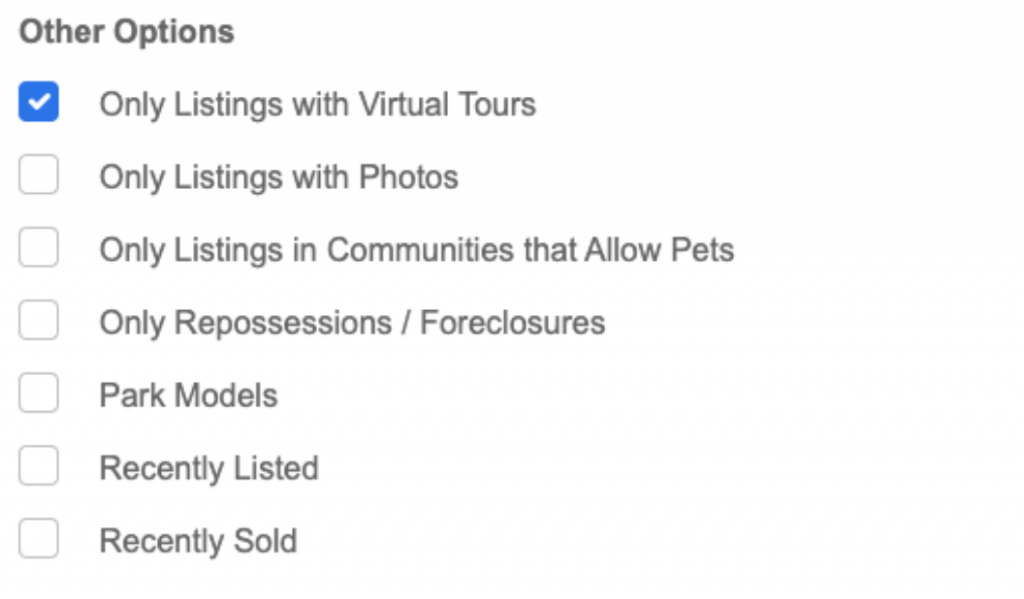
  1. Head over to our nationwide search page and enter your city
  2. Once you are on the home results page for your city, click the “Filter” button shown below to narrow down your search
  3. On the filter menu, select the “Only Repossessions / Foreclosures” option as shown below to display these homes exclusively

and that’s it, now you can explore repo listings across the country!

If you are new to this class of home, you may want to explore a little first and take a look at some of the homes that are currently on the market. Check out some of our listings from a few markets down South.

No matter what you’re looking for in a manufactured home, a repossession can be the perfect match for a prospective homeowner.    

Laying the Groundwork for Strong Mobile Home Foundations

A home is nothing without a strong foundation to support it, and that holds especially true for manufactured homes and mobile homes. The foundation for a manufactured or mobile home is especially important, as they not only support the home but provide it with a strong framework to withstand high-impact weather. Think of a mobile home foundation as a chassis that gives your home a dense frame in the form of an undercarriage. 

Here, we break down the anatomy of your most common mobile home foundations, as well as some extra considerations to watch out for.

Types of Foundation 

The first thing to know when it comes to mobile home foundations is that no two foundations are alike. Compared to other aspects of factory-built homes, the foundation is most often installed at the home site itself, prior to the home being completed. 

Foundations have also been held to stricter code regulations since the Department of Housing and Urban Development (HUD) enacted safety codes for manufactured homes in 1976. That same code dictates guidelines for manufactured home foundations – for instance, the types of wood or padding to be used in any given foundation, or the degree to which special footing is needed to protect against frost damage. Refer to the manufacturer’s set up instructions and local authority for the rules for your area.

When looking at mobile home foundations, there are several types you’ll come across: 

Pier and Beam Foundation 

The “pier and beam” foundation system is far and away the most common type of foundation you’ll find in a manufactured or mobile home. This foundation system consists of two main parts: the concrete cylinders that anchor into the ground, and the steel beams that connect them all together and support the home. 

There are multiple reasons why the pier and beam foundation is the go-to in the manufactured housing industry. For one, this foundation type is adaptable to nearly any manufactured home in any environment, and will provide the same level of reliability no matter where it’s installed. The installation process is perhaps the quickest out of any foundation type for mobile homes, too. 

With this type of foundation, the concrete can be either poured on-site or precast and brought to the installation site. For instance, some homes in the southern U.S. won’t rely on poured footings as much in favor of ground sets. 

But are there any downsides to the pier and beam foundation system? If anything, this type of foundation may need extra support if a mobile home is sited in a flood zone or an area that experiences high winds. While this isn’t a cause of concern for many mobile home owners, it may change how a foundation is installed depending on your environment. 

Slab Foundation

Slab foundations consist of a flat surface, usually concrete, that sits on a flat plot of land for the home to sit on. These slabs will also sit on a layer of looser materials under it, such as gravel, for stability. Slab foundations can be installed with or without added piers, similar to the ones mentioned above, for added support. 

Slabs are an economical choice for a manufactured home foundation, and often carry better flood ratings for a mobile home foundation compared to other types. Many mobile homes use a slab foundation simply because it’s not only one of the cheapest and most reliable options, but because the installation process is quick, too. 

However, a slab foundation cannot be used for just any manufactured home. The site on which the manufactured or mobile home will sit must be relatively flat, to ensure the slab foundation can evenly support the home. However, this ensures a more permanent foundation for your mobile home that can resist high-winds. Additionally, mobile homes with added fixtures, such as a garage or basement, may not support a slab foundation.

Basement Foundation

A basement foundation is exactly what it sounds like – a foundation for a mobile home that gives your home a basement. 

The most direct benefit of a basement foundation is the added space for your mobile home. Installing a basement foundation gives any homeowner that much more room for entertainment, storage, or an extra bedroom. The extra living space is a major bonus for many mobile home owners. 

However, it’s worth noting that a basement foundation will be among the most expensive foundation types for your mobile home. This is because they take much longer to install than other foundation types, involve more excavation, and of course increases the retail value of the home. A basement foundation also does not offer the same level of flood protection like other foundations do, but they do provide other types of weather protection, even giving you and your family a shelter in case of tornadoes. For these reasons, basement foundations aren’t as common as pier-and-beam foundations.

Crawlspace Foundation 

A crawlspace foundation, similarly to a basement foundation, takes advantage of the open space under the home to help support it. Unlike a basement, however, the crawl space isn’t a usable living space. 

Crawlspace foundations are usually reserved for site-built homes, so while you won’t find them on a mobile home as often as a pier-and-beam or slab foundation, you’ll occasionally find them in mobile homes found in flood zones, as the crawl space elevates the home off the ground and away from potential floodwaters. Installation for these foundations are among the most expensive, and often take longer than the other types of foundation we’ve covered here.

Foundation Considerations 

Regardless of what type of foundation your manufactured home has, there are a few extra considerations to keep in mind: 

  • All manufactured or mobile home foundations should be up to safety code, including those imposed by HUD. All of the above foundation types are HUD-compliant when installed correctly, though some other forms of foundation, such as “ribbon” foundation, have been phased out and are no longer considered safe for manufactured homes.  
  • If you live in a manufactured home community or mobile home park, they may have specific guidelines on foundations for new or existing mobile homes within their park. 

Whether a mobile home has a pier and beam, slab, basement, or crawlspace foundation, these four foundation types are the most common for a reason: they provide the crucial support and stability a manufactured home needs for years, even decades after it’s been delivered from the factory. Keeping up with what each type of foundation provides, however, can bring you up  to speed with what to look for when shopping for a manufactured home, and what foundation might be best for a home in your area. 

Now is The Time To Sell Your Mobile Home

If you’re considering selling your manufactured or mobile home, there’s no better time than now. With a white-hot housing market and historically low interest rates benefitting prospective homeowners, selling your home may be a prudent choice if you’re looking to relocate, upsize or downsize your home, or simply want to chase after your dream mobile home. 

No matter the motive behind selling your mobile home, the market is ripe for homeowners looking to sell their home on their own. Referred to as a “For Sale By Owner” sale, or “FSBO,” this type of home sale empowers the homeowner to take charge of the process and save money along the way. 

With the manufactured housing market seeing more activity than ever, keep the below considerations in mind when weighing whether to list your home for sale: 

Low Supply Means High Demand

In recent months, the supply of homes for sale on the market, including manufactured and mobile homes, have dwindled, meaning homes on the market tend to sell quickly as a result of decreased supply. Thus, if you decide to list your mobile home in the current market, know that with the right listing, market conditions will favor you as a seller when it comes to selling your home quickly. 

Make Sure You’re in the Know 

Before you decide to go the FSBO route, make sure you’ve researched every step in the process, from getting your home listed to ensuring you’ve got the financials in order. The Mobile Home Sellers Guide is a great resource to start with that covers every step of the mobile home selling process. 

This goes double if you’re selling a mobile home in a community or mobile home park. Make sure you study your community’s bylaws and guidelines to ensure you’re selling your home in a compliant manner. For example, a community may mandate that an individual home seller use a specific listing service, lender, or otherwise go through the selling process in a specific fashion. 

Get the Most Value For Your Home

Before you list your mobile home, look into ways you might be able to increase its market value before it sells. For instance, if you need to replace your mobile home’s roof or make other necessary repairs, doing so before you list can increase the home’s value. For big ticket repairs such as a roof, porch, or siding, it may even be worth plugging those upgrades into the description of your listing. 

Pro Tips for Listing Your Home 

For individual home sellers, there are a few key considerations to keep in mind when listing your home to ensure it sells as quickly as possible: 

Make Your Listing Shine 

You want to do everything you can to draw eyeballs to your home listings. Use descriptive language when describing your home to bring out its best features and make it more appealing to homeowners looking to view homes in their area. At the end of the day, you’re writing about your home to make a sale, so convince them why your home is worth buying at your asking price.

A great description of your home alone won’t cut it, however. You’ll want high-quality photos of the exterior and interior of your mobile home that show everything your home has to offer. More often than not, it’s worth hiring a photographer to stage and take pictures of your home before listing. 

Secure More Visibility for Your Listings

A great listing is nothing without homebuyers to see it online. That’s why MHVillage offers listing options that get your home for sale in front of as many people as possible. This creates the biggest possible advertising “net” for your listing and allows you to advertise with other selling tools, such as virtual open houses and printable flyers of your listing. 

Know Your Market

What do houses sell for in your area? What’s the market activity like? How does that impact, or how should it impact, your own listing? 

These are all questions that you should ask yourself when you’re preparing to sell your mobile home the FSBO way. Doing some in-depth research on the manufactured housing market in your city or state, including the average price of home sales and how many homes have sold in your market over the past year, can help inform how your own listing takes shape. For instance, while doing research you may learn that similar mobile homes in your area have sold for higher or lower than your initial asking price. 

The Don’ts of FSBO Listings

Just because the market is so ripe for manufactured home sales doesn’t mean there aren’t mistakes to be made along the way. Here are some of the most common mistakes and traps individual home sellers may come across: 

  • Incorrectly pricing their home. While it’s true that home prices have increased over the past few years, that doesn’t mean you should ask for more money than your mobile home is worth. In fact, asking for more than the appraised value of your home can greatly reduce your chances that you’ll receive an offer.  
  • A lackluster web listing or photos. Much like a strong listing can sell a home faster, a not-so-great listing, with vague descriptions and low-quality photos, can take away from the shine your home listing would otherwise have and increase the amount of time it takes to sell your home. If your home’s description or photos aren’t appealing, then your prospective home buyers won’t show interest in buying your home.
  • Falling short on the home inspection or appraisal. This also includes outright neglecting to complete a home inspection or appraisal when selling your home. A lack of transparency on the seller’s part when it comes to the home’s condition and true value can turn prospective buyers away and make it harder for you to sell your home. 

Alright, I’m Sold. I Want to Sell My Mobile Home. What’s Next? 

If we’ve convinced you that selling your manufactured or mobile home is the right move – congratulations! You’re just a few steps away from successfully listing your home during a time where mobile home sales have never been hotter.

MHVillage, the nation’s leading website for buying and selling manufactured and mobile homes, can get your mobile home listing in front of the thousands of people that visit MHVIllage daily. The website offers multiple tiers of pricing for different kinds of listings, with unlimited photos of your home included in the Premium tier. Simply fill out the online form to start your MHVillage listing today. 

What’s more is that MHVillage offers a “For Sale By Owner” kit with even more guides and tips for those who list their home on MHVillage. The best part? Over 25 million people visit MHVillage every year, making it the best marketplace for listing your mobile home when it comes to visibility and reach.

Mobile Home Patios: What You Need to Know

Furniture sitting on a tile mobile home patio
A tile patio surface

The summer and fall months are a key window for installing new patios beside your manufactured or mobile home. They’re a great way to provide some added flair to your home’s backyard, not to mention make a great space for entertaining your family and friends while grilling up a nice dinner. 

If you’re considering adding a patio to your mobile home before the summer is over, check out this handy guide to catch up on the latest patio styles, and which will be best for your manufactured or mobile home. 

What makes a patio, a patio? 

A patio is generally defined as a paved outdoor space behind the home used for entertaining, grilling, dining, or recreation. These are fairly similar to decks, since they often serve the same purpose, but patios are more often made with stone or concrete compared to wooden decks. Additionally, patios are usually built as one flat level, compared to decks that are often built with multiple levels or floors, though this is not always the case.   

You can check out our in-depth breakdown on all things decks and porches for more information if your project is heading in that direction.

Why should I add a patio or upgrade my existing patio? 

Installing a new patio onto your manufactured home or mobile home can greatly add to your home’s visual appeal. This is especially true if you’re considering selling your mobile home in the future, as the added patio to your home’s exterior may increase its asking price.

Financials aside, sprucing up the patio on your home can also: 

  • Add extra lounging space for those cool summer nights
  • Provide extra space for your outdoor furniture or grill 
  • Give your backyard a flat, paved surface with ultimately less lawn to mow each summer
  • Options for added fixtures, such as an above-ground fire pit
  • Make your backyard more wheelchair-accessible with a flat, paved surface 

The best part? Compared to a wooden deck, patios typically come with less year-round maintenance and will usually last you much longer, making a patio a great long-term investment for your mobile home. 

What types of patios exist? What type of patio is best for me? 

No matter which material you choose for your patio, you’ll want the right tools to ensure you’re building on flat, solid land. Before you lay down your building materials, you’ll typically mark the plot of land you’re building your patio on with stakes and mason’s line, and use a foundation of gravel or sand under your building materials. All of these materials can be found at your local hardware store. 

By far the most common form of patio is a stone or concrete patio. These materials provide a consistently flat surface for your mobile home’s patio that is durable to the elements and relatively easy to work with. 

A concrete patio installation is relatively simple, too. It involves spreading your concrete mixture over the leveled surface where your patio will lay, ensuring the concrete is flat and smooth before it hardens. With stone, the process is a little different – essentially, you’ll lay out your stone across your leveled surface, making sure each stone is snug and flush with one another. 

You’ll also commonly see patios made out of brick. Brick patios are similar in composition and construction quality to a stone patio, but may vary slightly in color, surface texture, and cost. These patios are installed in a very similar manner to stone patios.

Though stone, concrete, and brick patios are the most common for mobile home patios, they’re not the only types that you should consider. There are a variety of materials you can choose to build your patio with: 

  • Tile patios are another fairly common choice. If you choose tile for your mobile home patio project, be sure to go with a style of tile that’s specifically rated for outdoor use.  
  • Cobblestone, while a less common used for patios, is another option that gives your mobile home’s patio a more rugged feel. Cobblestone patios can be slightly tougher to install compared to the other options listed above, since there’s more work involved to ensure your cobblestone will lay flat. 
  • Gravel is a great option for your patio if you’re on a budget. Since you’ll often use gravel as a foundation for your patio anyways, you could simply have a gravel surface – similar to what you might find on a playground. 

The best patio material for your mobile home will depend on your personal taste and budget – do you like the aesthetic of a colored brick outside your back door? Or does the simplicity of a concrete patio appeal more?  

How much should I budget for a patio project? 

The amount of money you invest in your new patio project depends entirely on your building material of choice. For a stone patio measuring 100 square feet, expect to pay anywhere from $500 to $750 for the stone itself, on top of the costs for your foundation materials – gravel, sand, and other tools needed to complete the project. 

You may also consider budgeting for a wood patio, too. However, the price of lumber has essentially doubled over the past year, making it a higher-priced option than it once was. Still, you can source the right lumber for a price in the triple digits, but you’ll want to factor in the costs of a more intensive maintenance regimen for a wooden patio. 

Should I hire a contractor to install or renovate my patio? 

If you’re comfortable handling a weekend project outdoors and installing your patio yourself, then DIY is the way to go. Compared to roof, deck, or porch installations, patios are simpler to install and often don’t require a permit from your city or township. However, be sure to check your local permit requirements, as well as the rules and bylaws of your manufactured home community or mobile home park if you live in one, before starting on your patio project.

However, if you’d rather leave a patio installation to the professionals, it’s not too difficult to find a contractor in your area that can get the job done quickly. Online contractor sites such as Angi offer a wide variety of services and providers that can help with your project.

MHVillage also offers a number of additional resources on a variety of remodeling topics – from patios, to porches and decks, and issues you’ll have to consider when going about a mobile home remodel. But when it comes to your mobile home’s new patio, the investment should be well worth the outdoor enjoyment for you, your family, and your friends.

EVENTS

Tour New Manufactured Home Models at the Novi Home & Garden Show, March 28...

If you live in or around Southeast Michigan, then your opportunity to tour the newest manufactured homes is here!The Novi Home & Garden Show,...

Visit The Novi Home Show and Tour Six New Model Homes, Oct. 11 –...

Heads up, Southeast Michigan! The Novi Home Show will host six stunning manufactured homes for public display at the Michigan Manufactured Housing Association (MMHA)...

Tour Six New Manufactured Homes at the Novi Home Show this Weekend, Oct. 7...

This weekend, October 7th through the 9th, 2022, is your opportunity to tour six model homes as part of the Manufactured Home Showcase.  The Showcase,...